Taylor Swift Trademarks Voice and Image to Counter AI Deepfakes
Swift filed three trademark applications covering two audio clips and a concert image to block AI-generated impersonations.

 New York Post
Taylor Swift files to trademark her voice, likeness to ward off AI deepfakes
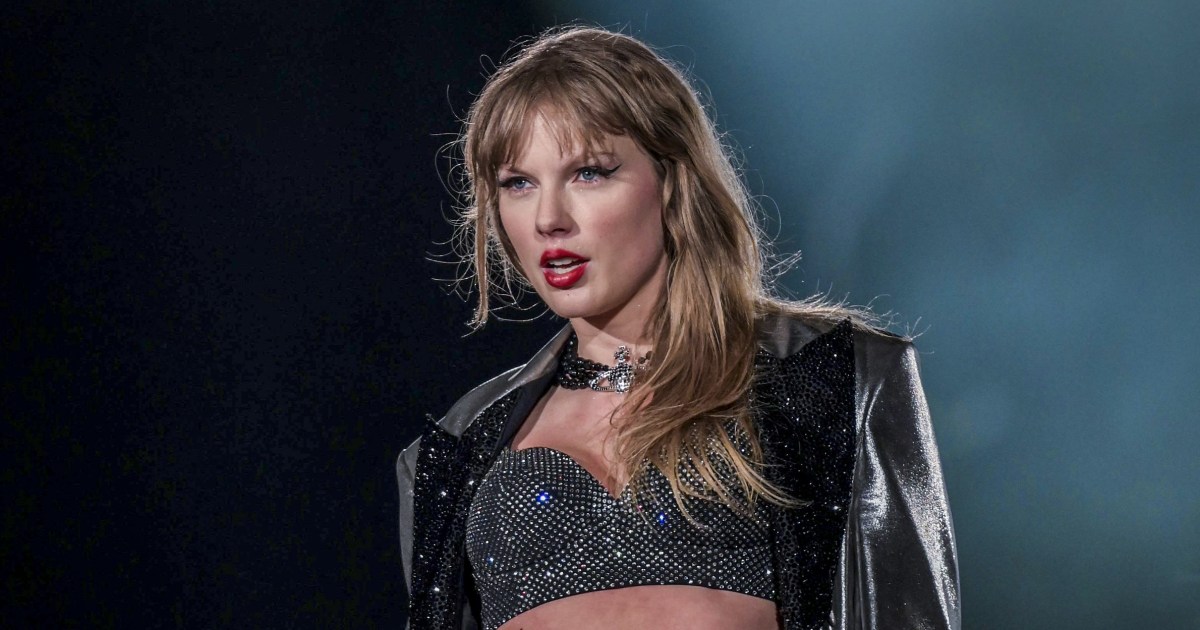
 NBC News
Taylor Swift files to trademark her voice and likeness in era of AI deepfakes

 USA TODAY
Taylor Swift moves to protect voice, image from AI misuse
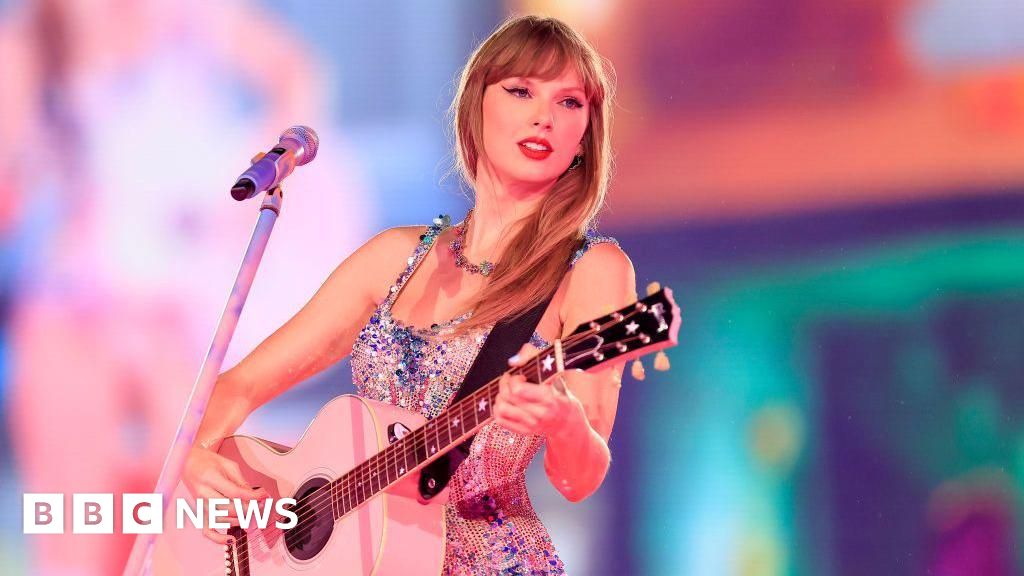
 BBC News
Taylor Swift files to trademark voice and image after AI concerns
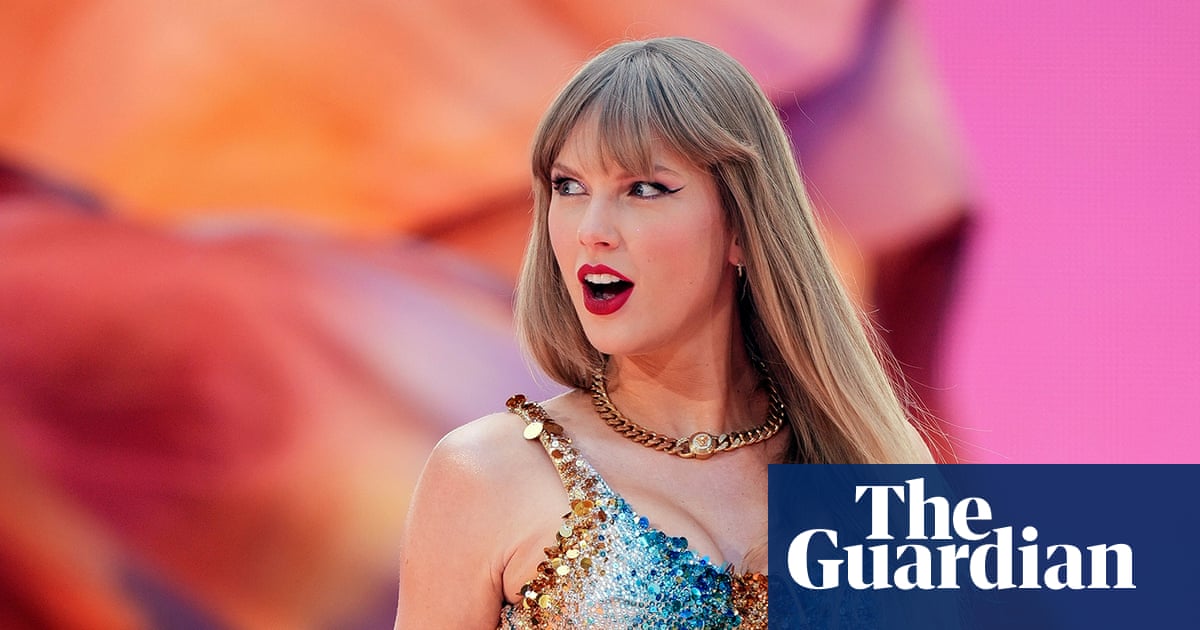
 The Guardian
Taylor Swift files trademarks for voice and image amid concern over AI misuse
Overview
TAS Rights Management filed three trademark applications on April 24 with the U.S. Patent and Trademark Office covering two audio clips and a concert image.
The filings seek protection for two phrases Swift recorded promoting The Life of a Showgirl, including one mentioning Amazon Music Unlimited and another referencing an Oct. 3 Spotify presave.
Trademark attorney Josh Gerben said registering a spoken voice is a new trademark use that could help challenge AI-generated imitations, and Matthew McConaughey made similar filings earlier this year.
Swift's image and voice have appeared in AI-generated explicit images, fake ads and a false political endorsement for Donald Trump, and she has registered roughly 50 to hundreds of trademarks historically.
Gerben wrote that the trademark strategy has not been tested in court, leaving potential legal challenges and enforcement actions likely to determine how broadly it can curb AI misuse.
Analysis
Center-leaning sources frame Swift's trademark move as a defensive response to an emerging AI threat, using emotive examples (explicit images, fake election ad) and terms like "rip-offs" and "protect". Editorial choices prioritize legal context and precedent; the quoted lawyer's analysis functions as source content offering speculative legal interpretation.