Starmer Defends Limited UK Base Use After US-Israel Strikes, Faces Trump Criticism
Starmer allowed British bases for limited defensive strikes after Iran's retaliatory missiles and drones, drawing criticism from President Trump while officials said more than 100,000 Britons registered in the Middle East.
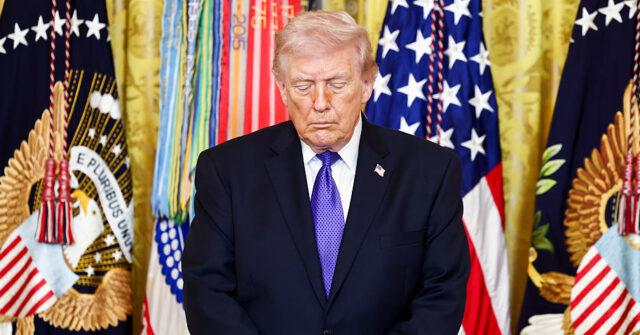
 Breitbart News
Trump Very Disappointed in Starmer Blocking US Using UK Bases: Report
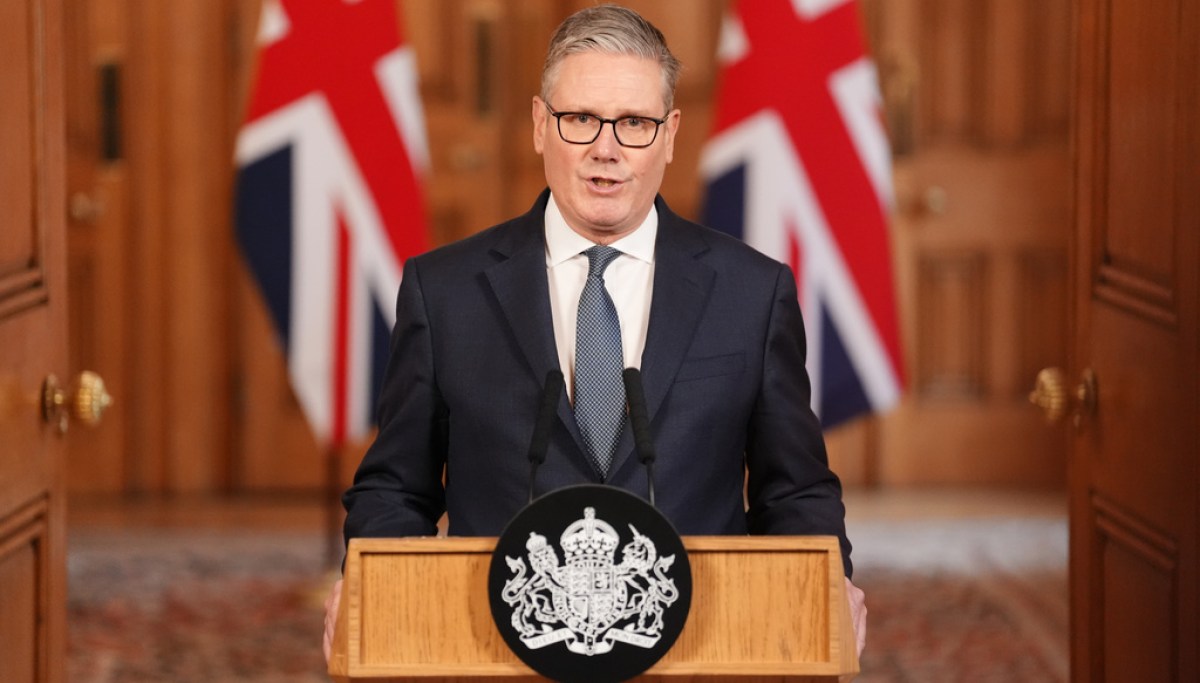
 Washington Examiner
Starmer fires back at Trump over Iran 'unlawful action'
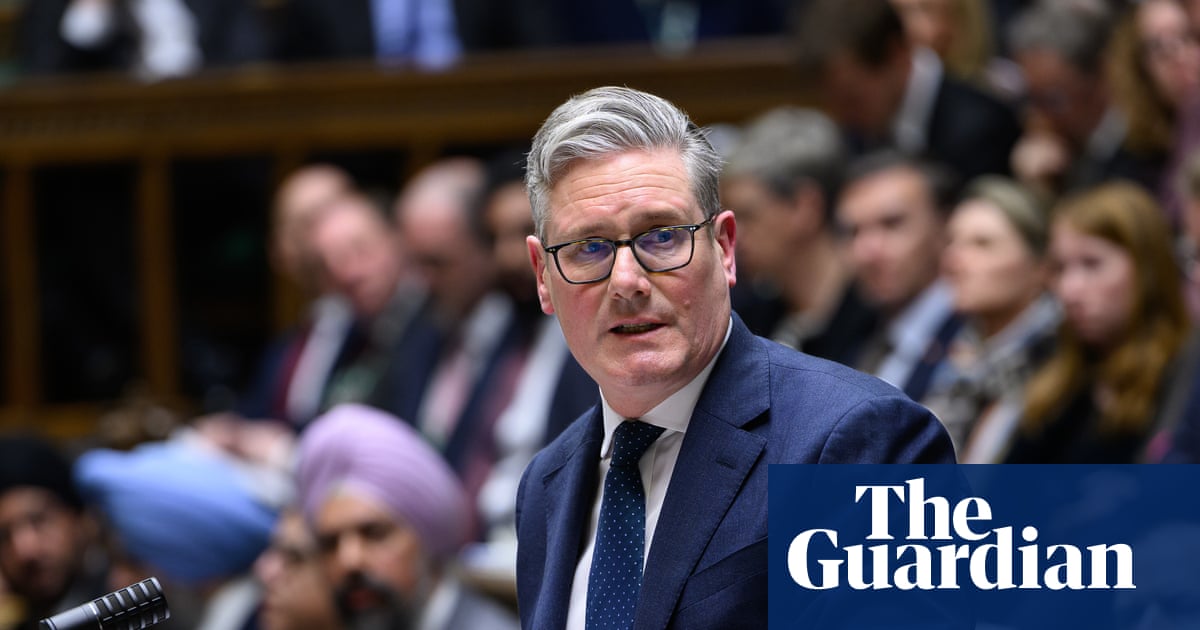
 The Guardian
Starmer vows to avoid ‘mistakes of Iraq’ that have haunted Labour for decades

 New York Post
UK Prime Minister Starmer hits back at Trump over Iran strikes: ‘This government does not believe in regime change from the skies’
Overview
Prime Minister Sir Keir Starmer told MPs that on Sunday night he agreed to allow U.S. forces limited use of British bases for specific defensive strikes against Iran's missile infrastructure.
The move followed Iran's retaliation with missiles and drones across the region that officials said threatened British people, interests and allies in countries including Israel, Bahrain, Kuwait, Qatar, the United Arab Emirates and Saudi Arabia.
President Donald Trump said he was "very disappointed" in Starmer for initially blocking use of British bases, and Conservative leader Kemi Badenoch accused the prime minister of delay while Sir Ed Davey and Ellie Chowns condemned the strikes.
Officials said more than 100,000 British nationals had registered their presence in the Middle East.
The Foreign Office said it was making plans for evacuations if commercial flights remain grounded across the Gulf.
Analysis
Center-leaning sources present this reporting neutrally: they balance the prime minister's defence with criticisms from both left and right, include factual context about the strikes and retaliation, and place evaluative language in quoted source material rather than in narration, minimizing editorial wording and privileging source statements and chronology.
FAQ
RAF Fairford in Gloucestershire and Diego Garcia in the Indian Ocean are likely to be used by the US for these strikes.[2]
Starmer agreed to allow limited defensive strikes following Iran's retaliatory missiles and drones that threatened British people, interests, and allies in the region, including Israel and Gulf states.[1]
President Trump expressed disappointment for Starmer initially blocking base use, Conservative leader Kemi Badenoch accused him of delay, and groups like Quakers condemned the strikes as escalatory.[3]
More than 100,000 British nationals have registered their presence in the Middle East, and the Foreign Office is preparing evacuation plans if commercial flights are grounded.[1]
The US and Israel conducted joint strikes killing Iran's supreme leader Ayatollah Ali Khamenei, framed as preemptive action to dismantle Iran's nuclear program.[2]