Blood Moon Eclipse Lights Skies on March 3
Total lunar eclipse March 3 will cast a coppery-red "blood moon" visible across the Americas, Asia, Australia and New Zealand; totality 6:04–7:03 a.m. ET, NASA said.
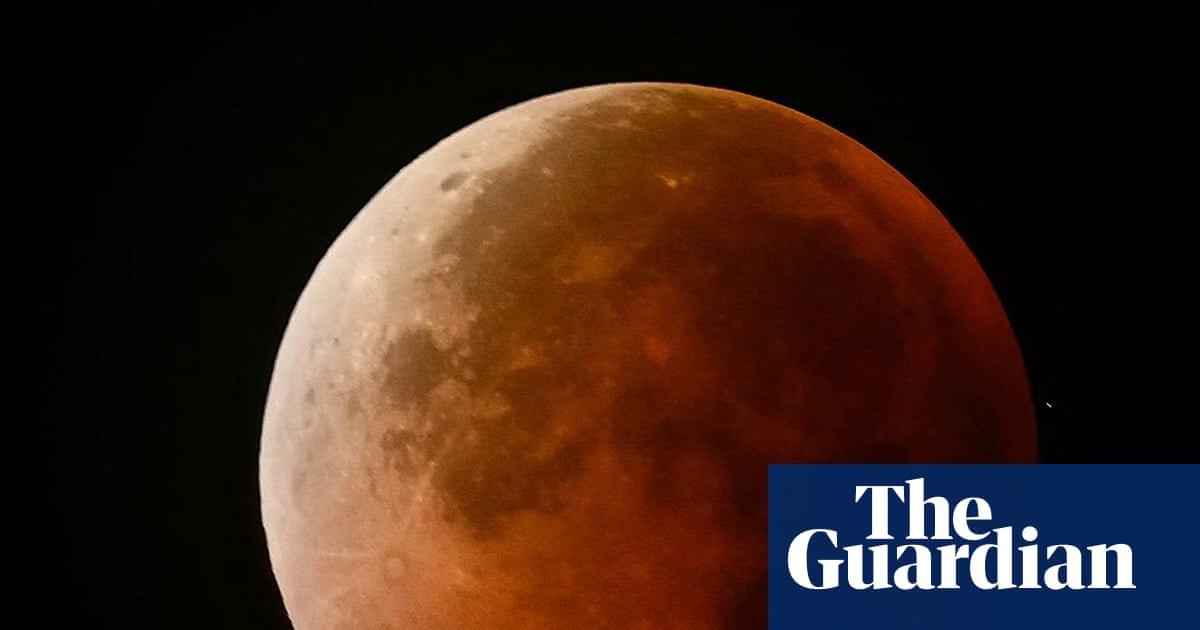
 The Guardian
Total lunar eclipse March 2026: what time, where and when to see the full ‘blood moon’ tonight over North America, Australia and New Zealand

 USA TODAY
Who can see the total lunar eclipse? Where to catch the 'blood moon'
 USA TODAY
How to get a good photo of the blood moon

 CNET
CNETBlood Moon Lunar Eclipse Tomorrow: How to See It
Overview
A total lunar eclipse will occur on Tuesday, March 3, with NASA saying the penumbral eclipse begins at 3:44 a.m. ET and totality will last from 6:04 a.m. ET to 7:03 a.m. ET.
Dr Rebecca Allen said the full moon will change to a deep, coppery red as sunlight refracts through Earth's atmosphere.
Dr C. Alex Young said viewers do not need a telescope to witness totality, though clouds may obscure the view.
TimeandDate.com estimated about 176 million people, or 2% of the world's population, will be able to witness the eclipse's complete phases.
Dr Rebecca Allen said the next total lunar eclipse will occur on New Year's Eve 2028 and will be visible in Europe, Asia, Australia and Africa.
Analysis
Center-leaning sources present this eclipse story neutrally, focusing on timing, visibility maps and simple explanations of optics without evaluative language or selective sourcing; casual phrases ('brew an extra pot of coffee') add tone but not a political slant, and quoted technical details (times, phases) are source content rather than editorial framing.
FAQ
The total phase is visible across the Americas (best in western North America), eastern Asia, Australia, New Zealand, and the Pacific region, but not in Europe or Africa.[1]
Totality begins at 6:04 a.m. ET and ends at 7:03 a.m. ET (1:04-2:03 UTC), varying by location such as 3:04-4:03 a.m. PST in Los Angeles.[1]
No special equipment is required; it can be seen with the naked eye, though binoculars or a telescope enhance the view. Seek a dark location away from city lights.
Earth passes between the Sun and Moon, casting its shadow on the Moon. Sunlight refracts through Earth's atmosphere, scattering blue light and allowing red light to reach the Moon, creating the blood moon effect.
The next one visible from some regions is on New Year's Eve 2028 in Europe, Asia, Australia, and Africa; from the Americas, not until 2029.[4]

