Tiny Kuiper Belt Object Shows Thin Atmosphere
Stellar occultation observations in 2024 detected a very thin atmosphere around (612533) 2002 XV93, estimated 5–10 million times thinner than Earth's, study in Nature Astronomy reports.

 CNN
CNNThin atmosphere detected around distant object beyond Pluto | CNN
 CBS News
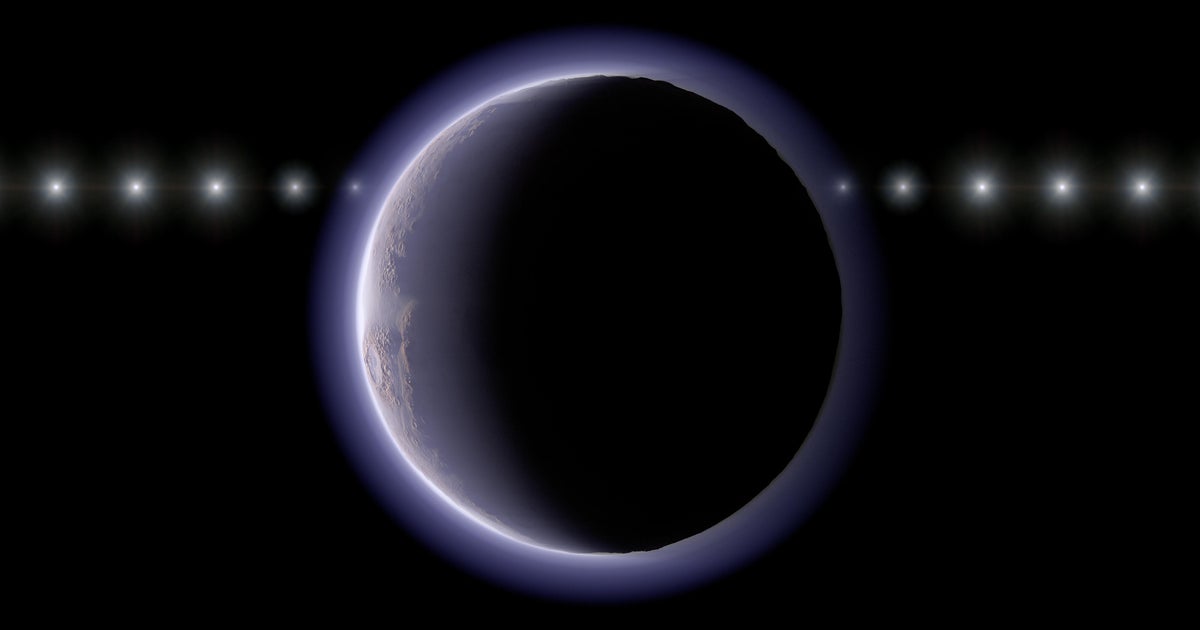
Mysterious world beyond Pluto may have an atmosphere, astronomers say
 ABC News
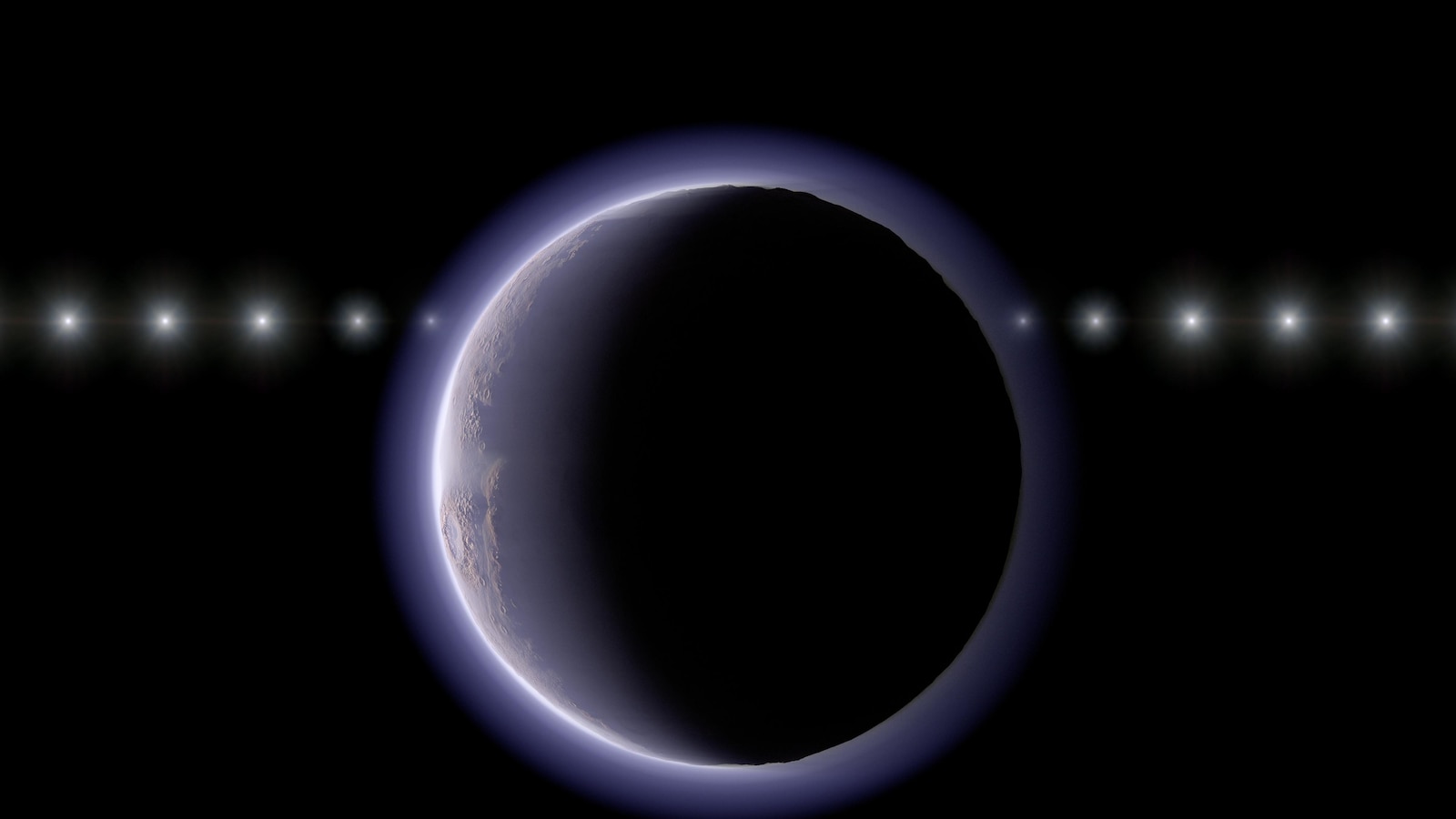
Astronomers believe they've detected an atmosphere around a tiny, icy world beyond Pluto

 Western Journal
Astronomers Make 'Amazing' Atmospheric Discovery on Minor Planet Beyond Pluto: 'The Implications Are Profound'

 IFL Science
Small Trans-Neptunian World Has An Atmosphere, Laughing In The Face Of Astronomers And Expected Physics
Overview
Researchers led by Ko Arimatsu detected a very thin atmosphere around Kuiper Belt object (612533) 2002 XV93 using a 2024 stellar occultation observed with three telescopes in Japan.
The finding, published Monday in Nature Astronomy, challenges the view that atmospheres are limited to large planets, dwarf planets and some large moons.
Alan Stern said the result needs independent verification, and Jose-Luis Ortiz expressed doubts and suggested a near-edge-on ring as an alternative.
Arimatsu's team estimated the atmosphere is about 5 million to 10 million times thinner than Earth's and 50 to 100 times thinner than Pluto's; the object measures about 311 miles (500 kilometers) across.
Future occultations and observations by the James Webb Space Telescope could reveal composition and origin, with cryovolcanism implying persistence and an impact implying the atmosphere may fade over several hundred years, Arimatsu said.
Analysis
Center-leaning sources present this reporting neutrally: they prioritize methods (three telescopes observing a stellar occultation), report empirical details (atmosphere 5–10 million times thinner than Earth, 50–100× thinner than Pluto), and foreground scientists’ caveats ("sorely needs independent verification"), keeping editorial language minimal and sourcing statements to researchers.