NASA Readies Artemis II Crew for Record Lunar Far-Side Flyby
Four astronauts will fly about 4,600 miles beyond the Moon's far side to test Orion and the SLS, NASA said.
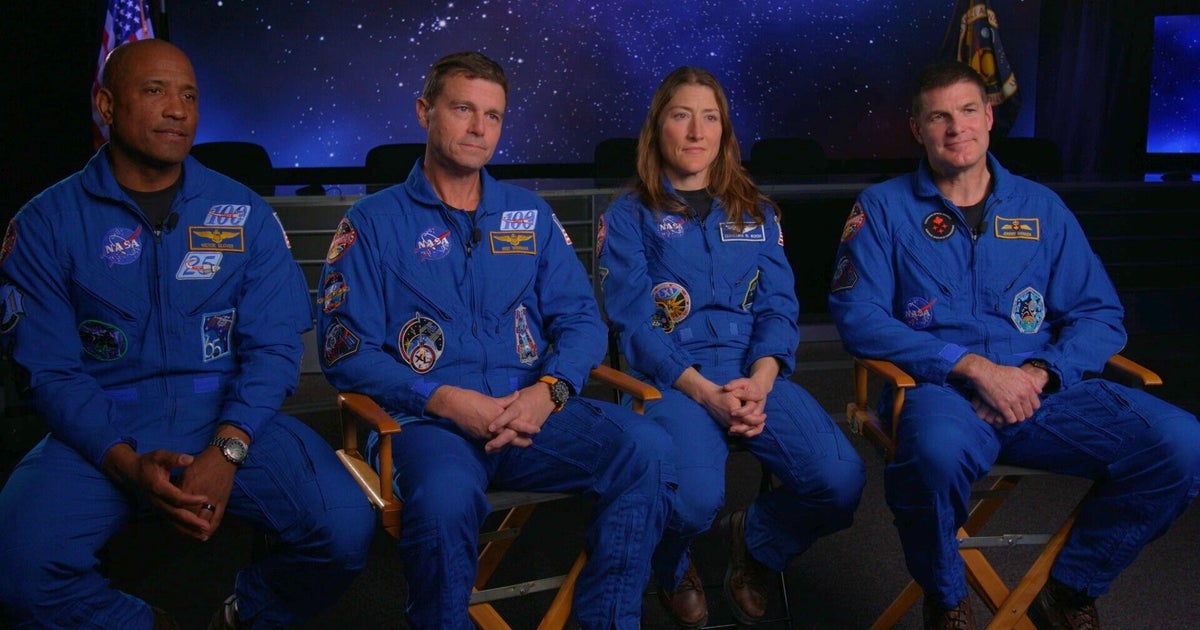
 CBS News
Artemis II could take humans farther than they've ever gone before
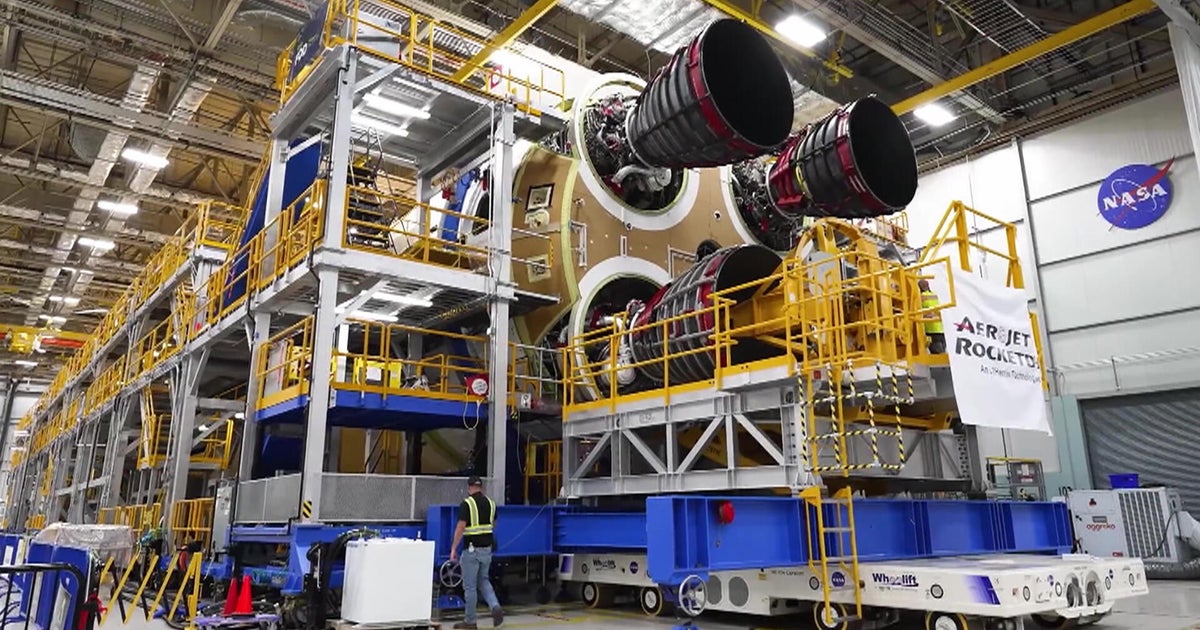 CBS News
Blast off for NASA's Artemis II has been years in the making
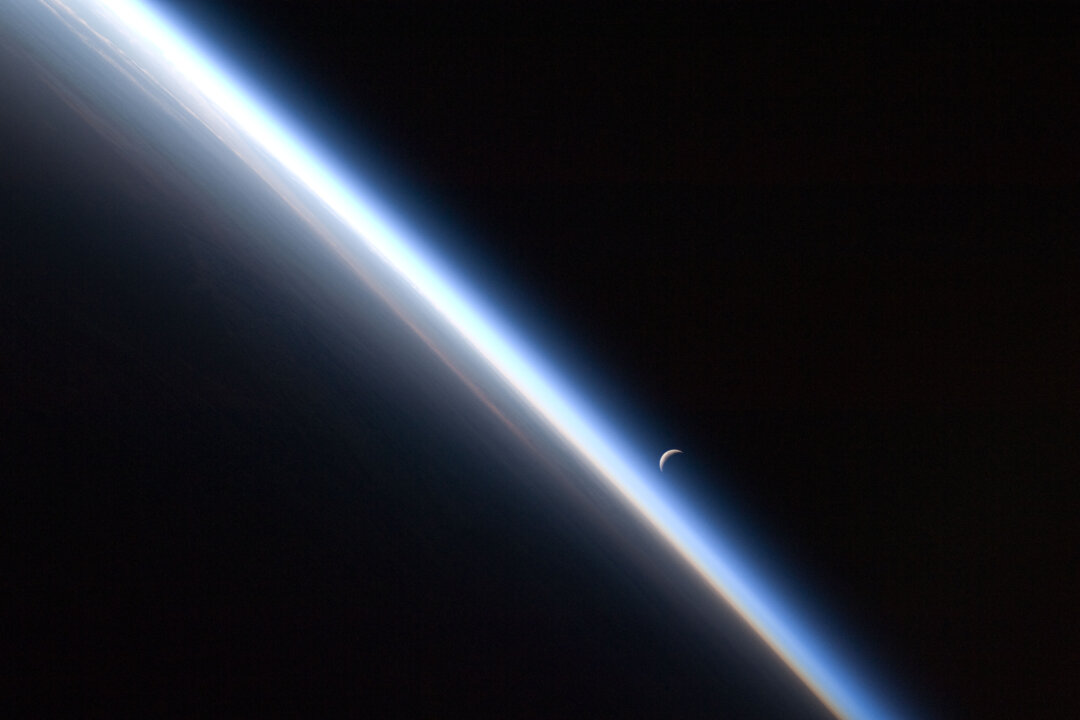
 Epoch Times
Astronauts See Real Connection Between Space Station Work and Moon Missions

 The Daily Wire
The Grand Return: NASA’s Quest To Shatter Distance Records And Reclaim The Moon
Overview
NASA confirmed that Artemis II will carry mission commander Reid Wiseman, pilot Victor Glover and mission specialists Jeremy Hansen and Christina Koch on a crewed lunar flyby that will send them roughly 4,600 miles beyond the Moon's far side and about 250,000 miles from Earth.
The flight is the first crewed lunar mission since 1972 and is designed to test Orion's life-support systems, crew controls and the Space Launch System ahead of Artemis III, NASA said.
Lead flight director Jeff Radigan said in an interview that he expects unexpected issues, that "it's a heavy weight" to bring the crew home, and that the mission will include about 40 minutes of communications blackout during the far-side pass.
NASA and company statements show the Artemis program has awarded nearly $3 billion to SpaceX and $3.4 billion to Blue Origin for lunar landers and continues to incur costs exceeding $2 billion per SLS rocket, factors officials cite for schedule delays.
If Artemis II validates Orion and SLS systems, NASA plans Artemis III to land astronauts near the lunar south pole targeted for 2028, and agency officials said they are pressing contractors to accelerate development.
Analysis
Center-leaning sources cast Artemis II as a patriotic, urgency-driven progress story by emphasizing U.S.–China competition, private-sector solutions, and risk/rescue narratives. Editorial framing shows in word choices ("critical stepping stone," "great competition"), source selection and emphasis on SLS costs; quoted warnings from officials remain source content, not framing.
FAQ
The crew consists of mission commander Reid Wiseman, pilot Victor Glover, mission specialists Jeremy Hansen from the Canadian Space Agency, and Christina Koch.
Artemis II is a crewed lunar flyby to test the Orion spacecraft's life-support systems, crew controls, and the Space Launch System (SLS) ahead of Artemis III.
The first potential launch is no earlier than February 8, 2026, with possible dates of February 8, 10, or 11, depending on the wet dress rehearsal outcome.
Cold weather and winds in Florida have delayed the wet dress rehearsal tanking to February 2, 2026, pushing the earliest launch to February 8.
The crew will fly about 4,600 miles beyond the Moon's far side, experiencing approximately 40 minutes of communications blackout.
