Publishers and Scott Turow Sue Meta, Allege Llama Trained on Pirated Books
Scott Turow and five publishers filed a class-action accusing Meta and Mark Zuckerberg of training Llama on millions of copyrighted books and articles taken from pirate sites, seeking damages and injunctions.
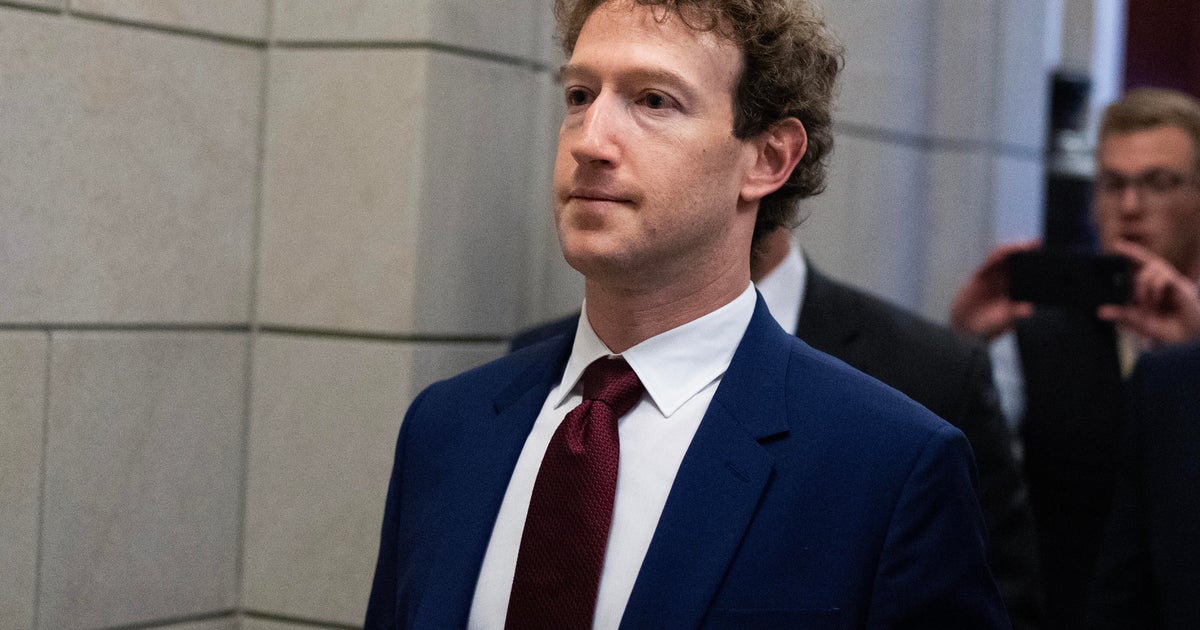
 CBS News
Publishers, author Scott Turow accuse Meta and Mark Zuckerberg of training AI on copyrighted works

 NPR
NPRScott Turow's latest real-life legal thriller: Suing Meta for copyright infringement

 CNET
CNETEven More Authors, Publishers Sue Meta Over Copyright in AI Training: What's Different Now

 ABC News
Mark Zuckerberg 'personally authorized' Meta's copyright infringement, publishers allege

 The Verge
Book publishers sue Meta over AI’s ‘word-for-word’ copying
Overview
A class-action lawsuit was filed Tuesday in the United States District Court for the Southern District of New York by Scott Turow and five publishing houses accusing Meta and CEO Mark Zuckerberg of using millions of copyrighted works to train Llama.
The complaint alleges Meta scraped copyrighted books and journal articles from pirate sites such as LibGen and Anna's Archive and that Meta briefly considered licensing before changing strategy in April 2023.
Meta said it will fight the lawsuit aggressively, with a spokesperson asserting that courts have rightly found training AI on copyrighted material can qualify as fair use.
The plaintiffs named Hachette, Macmillan, McGraw Hill, Elsevier and Cengage and are seeking statutory damages, a permanent injunction and an order requiring Meta to destroy infringing copies.
Authors and publishers previously secured a $1.5 billion settlement from Anthropic in September 2025, highlighting the potential stakes of copyright litigation involving AI training data.
Analysis
Center-leaning sources present this coverage neutrally: they attribute charged language to plaintiffs (using words like "alleged" and quoting claims that Zuckerberg "personally authorized" infringement) and include Meta's rebuttal about fair use. sources also provide broader context (Anthropic settlement), so editorial voice is minimal while source content is clear.