U.S.-Iran Conflict Escalates as Retaliatory Strikes Spread Across the Middle East
Six American troops dead, Iranian missiles hit embassies and cities across the Gulf, and Washington warns the heaviest blows are still to come as Congress demands a say in the widening war.

 CNBC
CNBCCNBC Daily Open: Markets digest U.S.-Iran war as conflict spreads
 CNBC
CNBCIran war live updates: U.S. embassy in Riyadh hit by drones
 Boston Globe
As Mideast conflict widens, US says attacks on Iran will last weeks and intensify

 The Gateway Pundit
DEVELOPING: At Least Two Iranian Drones Strike US Embassy in Riyadh, Saudi Arabia | The Gateway Pundit | by Cristina Laila
Overview
The U.S. death toll has risen to six service members killed in action. Separately, three American F-15E jets were mistakenly shot down by Kuwaiti air defenses during Iranian attacks, though all six crew ejected safely.
Iran's retaliatory strikes spread across the Gulf, with explosions reported in Dubai, Abu Dhabi, Doha, Bahrain, Kuwait City, and Oman. The U.S. Embassy compound in Kuwait was hit, and a U.S.-flagged oil tanker was struck by Iranian fire.
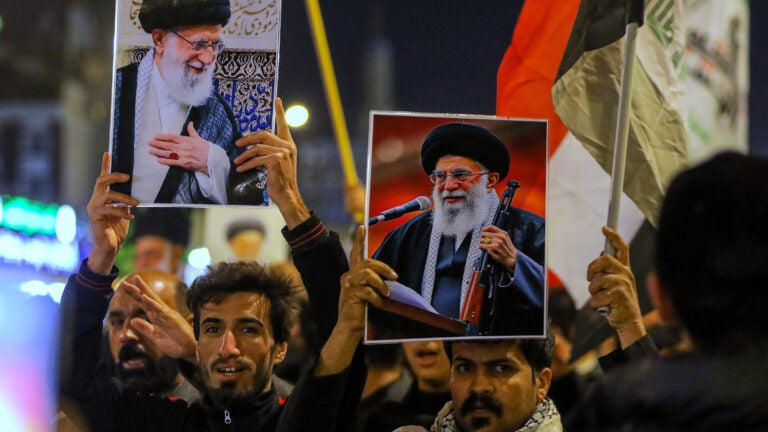
Israel struck Hezbollah targets in Beirut and southern Lebanon after the group launched rockets in retaliation for Khamenei's killing. At least 20 were killed in Beirut's suburbs and 11 in southern Lebanon on Monday alone.
Secretary of State Rubio warned the heaviest U.S. strikes haven't happened yet, while Senate Minority Leader Schumer called the administration's briefing to Congress "completely and totally insufficient" and pushed for a war powers vote.
The Iranian Red Crescent reports at least 555 Iranians killed since Saturday, with over 130 cities struck. Oil shipping in the Strait of Hormuz has nearly stopped, and global air travel remains severely disrupted across the region.
Analysis
Center-leaning sources frame this coverage with an American-centric urgency: official warnings and embassy closures lead, emotional anecdotes from stranded U.S. citizens are foregrounded, and government reassurances are highlighted. Language and selection emphasize risk to Americans and limited consular capacity, shaping a narrative of disruption and urgent evacuation.
FAQ
The Strait of Hormuz is a narrow waterway between Iran and Oman through which about 20-21 million barrels of oil per day (20-30% of global seaborne crude) and significant LNG pass, making its effective closure a major disruption to global energy supplies.
Crude oil prices rose more than 8% on Monday, with potential for further spikes past $100 per barrel; maritime insurance premiums in the Persian Gulf increased by 50%, and major providers canceled war risk coverage.
The blockade removes 20 million barrels of oil daily from markets, risks 20% reduction in global LNG, strands 200 vessels including 150 oil tankers, disrupts Asian economies like China and Singapore, and could lead to higher consumer goods prices and industrial stagnation.
The Strait is not formally closed but effectively so for commercial shipping due to Iranian threats, attacks on vessels, missile strikes on Gulf infrastructure, and withdrawal of insurance coverage, halting major carriers like Maersk.
Administration officials briefed Congress, with Democrats pushing war powers votes; Defense Secretary Pete Hegseth, CIA Director John Ratcliffe, and Joint Chiefs Chairman Dan Caine are scheduled for an all-Congress briefing; President Trump projects a 4-5 week campaign.


