U.S. and China Sign Trade Agreement Amid Ongoing Economic Tensions
President Trump announced a trade agreement with China, but details remain undisclosed as both nations navigate complex economic relations.
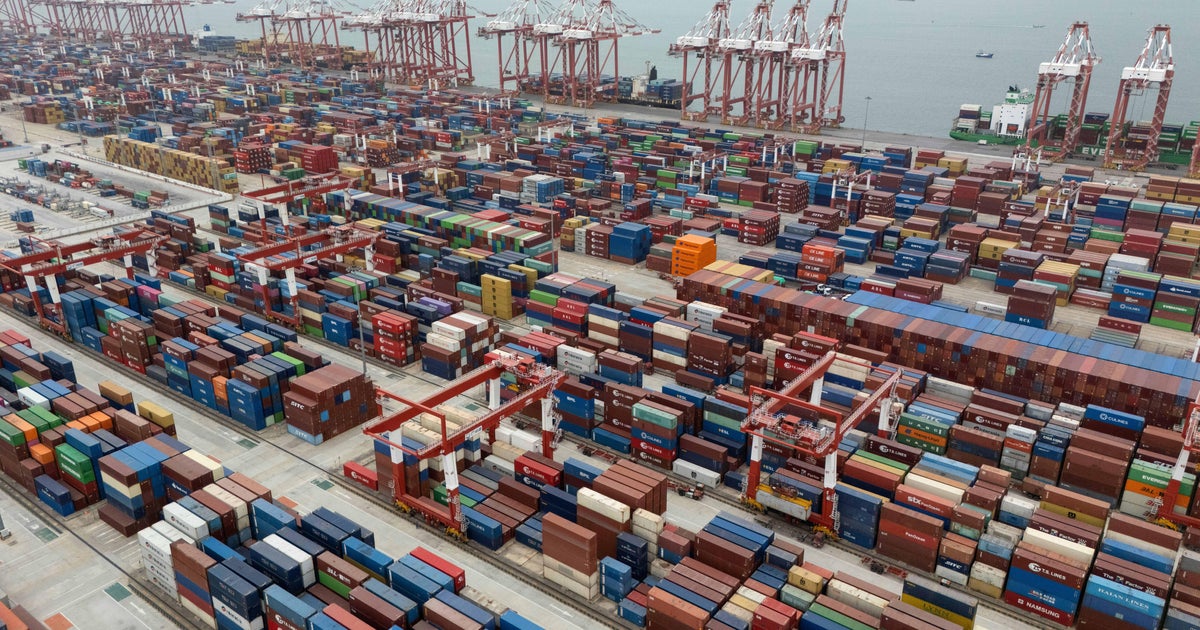
 CBS News
U.S., China agree on framework for trade deal, both nations say

 Fortune
Trump says the U.S. and China have signed a trade deal but doesn’t offer any details
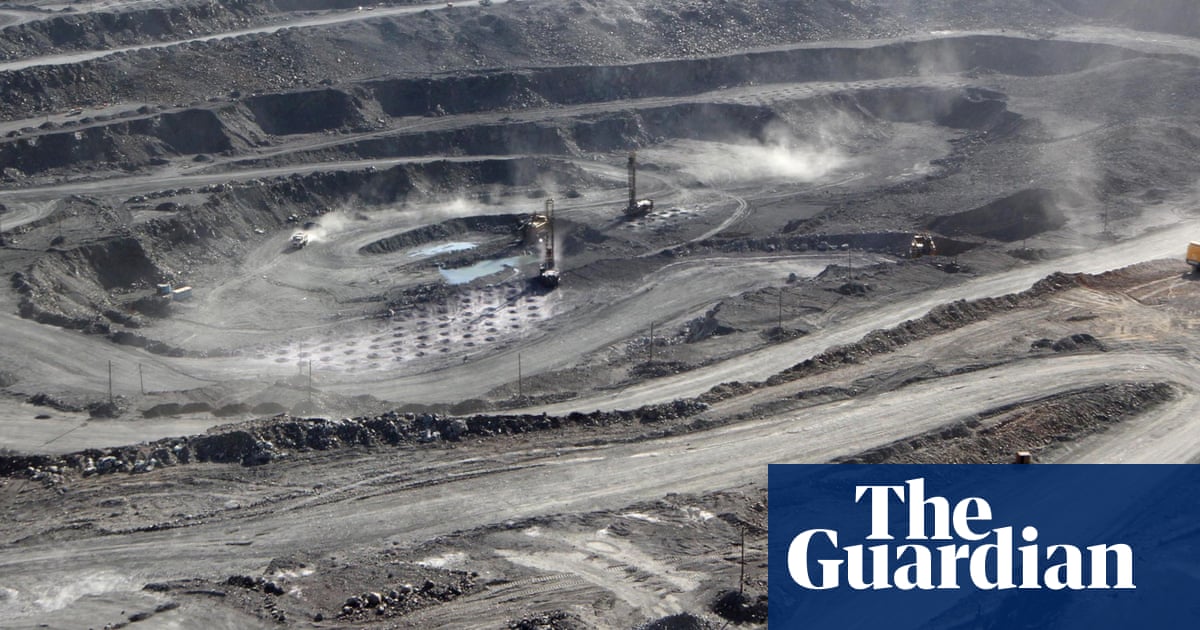
 The Guardian
US reaches deal with China to speed up rare-earth shipments, White House says
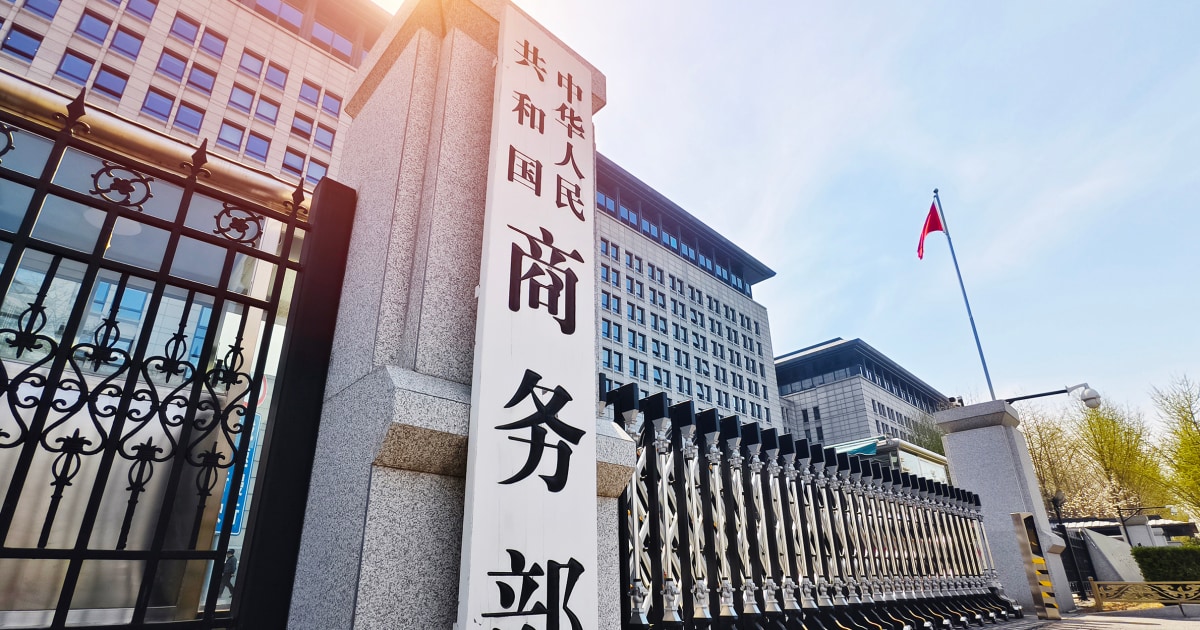
 NBC News
China, U.S. confirm details of their trade deal, Beijing says
Overview
President Trump announced a trade agreement with China, but specifics were not provided during the announcement.
Commerce Secretary Howard Lutnick confirmed the signing of the trade deal earlier this week, reiterating the lack of details.
The agreement aims to reduce punitive tariffs amid ongoing trade tensions between the U.S. and China.
China is expediting approvals for rare earth exports, indicating a response to the trade deal discussions.
The U.S. economy faced a contraction of 0.5% annually, highlighting the impact of trade policies on both nations.
Analysis
Center-leaning sources frame the trade agreement between the U.S. and China with a focus on President Trump's announcements, often highlighting the lack of details provided. They exhibit skepticism regarding the agreement's substance, reflecting a cautious perspective on the implications of the deal amidst ongoing tensions and previous tariff escalations.
FAQ
The agreement includes China approving export permits for controlled items, particularly rare earths, while the U.S. will cancel a series of restrictive measures against China. It formalizes a framework agreed upon in prior talks to reduce tariffs and ease trade tensions.
Under the deal, the U.S. tariffs on Chinese goods are maintained at 55%, which includes a baseline reciprocal 10%, a 20% tariff on Chinese imports, and pre-existing levies from earlier policies. China’s tariffs remain at 10%.
Rare earths are crucial for high-tech products such as electric vehicles, robots, and wind turbines. China’s acceleration in export approvals for these materials addresses prior export controls that had threatened global production and was a major point of contention in trade discussions.
The U.S. economy experienced a contraction of 0.5% annually, indicating that trade policies and tariffs have had negative effects on economic growth for both countries.
Initial talks in Geneva in early May postponed major tariff hikes. Subsequent negotiations in London established a framework for the deal, which was formally signed following ongoing discussions to reduce trade tensions and manage export controls.