China Lifts Seafood Import Ban on Japan After Two Years
China has lifted its nearly two-year ban on seafood imports from Japan, allowing trade to resume amid improving diplomatic relations and following safety tests on Fukushima wastewater.


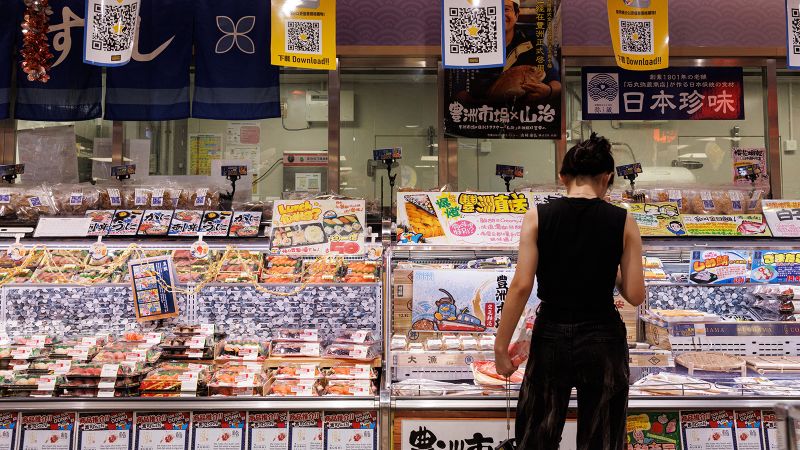

Overview
China has lifted a nearly two-year ban on seafood imports from Japan, significantly impacting trade relations between the two nations.
The ban was initially imposed due to concerns over radioactive wastewater from Fukushima, affecting Japan's seafood exports.
China is Japan's largest overseas market for seafood, with the ban accounting for over 20% of Japan's seafood exports.
The lifting of the ban coincides with efforts by both countries to enhance diplomatic ties amid economic uncertainties.
Japanese seafood exporters must reapply for registration and provide health certificates, while the ban remains for seafood from 10 prefectures, including Fukushima.
Analysis
Center-leaning sources frame the lifting of China's seafood ban on Japan as a significant economic and diplomatic development. They emphasize the complexities of the situation, including ongoing concerns about Fukushima's wastewater and the necessity for Japanese exporters to navigate new regulations, reflecting a cautious yet hopeful perspective on bilateral relations.
FAQ
China imposed the ban due to concerns over radioactive wastewater from Japan's Fukushima nuclear power plant affecting seafood safety.
The ban remains for seafood from 10 Japanese prefectures, including Fukushima, Gunma, Tochigi, Ibaraki, Miyagi, Niigata, Nagano, Saitama, Tokyo, and Chiba.
Japanese seafood exporters must reapply for registration and provide health certificates to resume exports to China.
China is Japan's largest overseas market for seafood, with the ban accounting for over 20% of Japan's seafood exports.
The lifting of the ban coincides with efforts by both Japan and China to enhance diplomatic ties amid economic uncertainties and ongoing safety monitoring of Fukushima wastewater.
