China's Economic Growth Surpasses Expectations Amid Trade Tensions
China's economy grew 5.2% in Q2, exceeding forecasts despite trade war pressures, raising concerns about deflation and the need for stimulus measures.

 Breitbart News
China’s Economy Slows Under Tariff Pressure
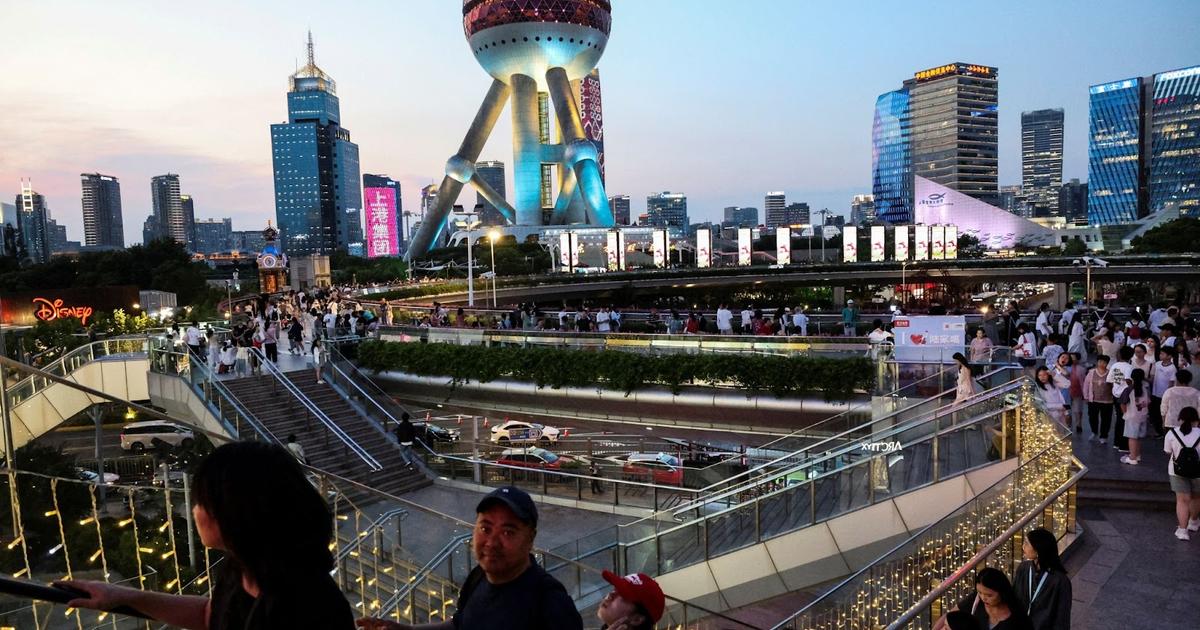
 Semafor
Chinaâs economy performs better than expected

 NBC News
China's second-quarter growth beats forecasts but deflation fears fuel calls for stimulus, deeper reform
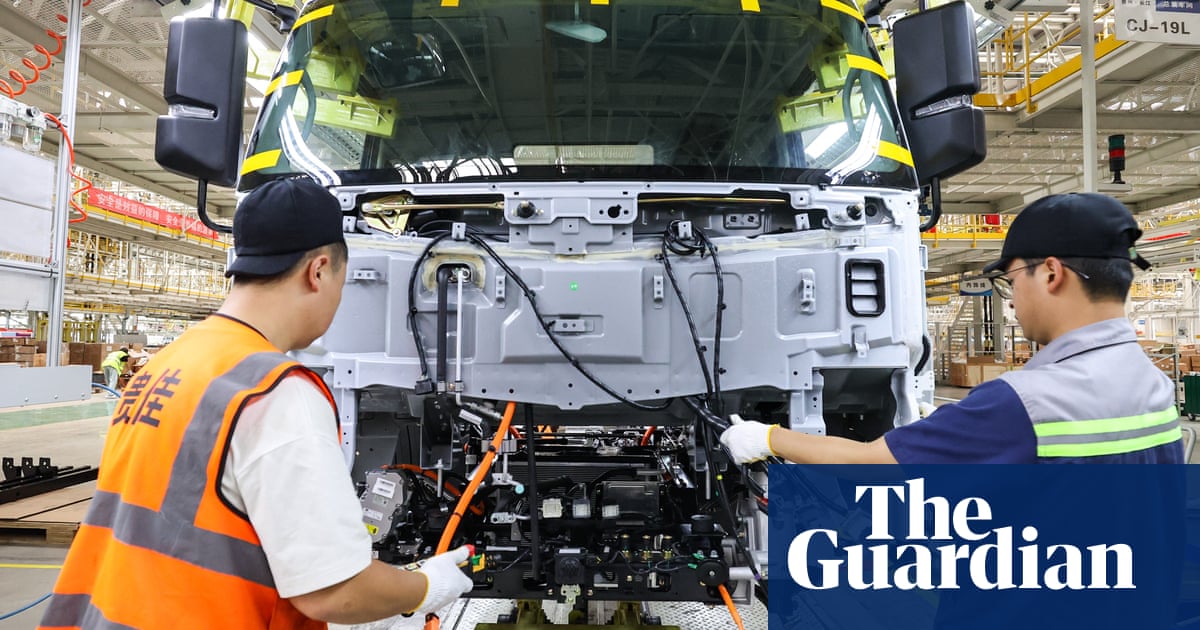
 The Guardian
China’s economy beats expectations in face of Trump’s trade war
Overview
China's GDP grew by 5.2% in the second quarter, surpassing the annual growth target of around 5%.
Manufacturing expanded by 6.4%, and industrial output increased by 6.8%, indicating strong production performance.
Retail sales growth slowed to 4.8%, raising concerns about potential deflation and the necessity for economic stimulus.
New home prices fell by 0.3% in June, marking the fastest decline in eight months amid economic slowdown.
The economy faces challenges from low consumer demand and ongoing US trade tensions, prompting calls for deeper reforms.
Analysis
The reporting appears neutral and objective by presenting a balanced view of China's economic performance. Sources highlight both better-than-expected growth and significant challenges like declining domestic consumption and property prices. It attributes concerns to analysts and economists, avoiding an an editorial stance, and uses largely factual language to describe complex economic indicators.
FAQ
The growth was supported by strong industrial output, particularly in manufacturing and mining sectors, which saw significant increases in production of high-tech items like 3D printing devices and electric vehicles. Additionally, exports accelerated as factories rushed to dispatch goods before potential tariff increases[1].
The property market downturn poses a significant medium-term challenge for local government finances and contributes to weakened domestic demand. This has raised concerns about the sustainability of economic growth, particularly if the real estate sector continues to decline.
China faces challenges from rising trade tensions, potential tariff increases, deflation pressures, and a prolonged property market downturn. These factors are expected to weaken growth momentum further in the second half of the year, prompting calls for additional stimulus measures.

