Tariff Outlook Divides Experts: Forecasters Warn of Price Hikes, Investors Remain Optimistic
Economic forecasters predict consumer price increases due to ongoing tariff discussions, while investors maintain optimism, believing the overall economic impact will be contained, highlighting a significant divergence in outlook.
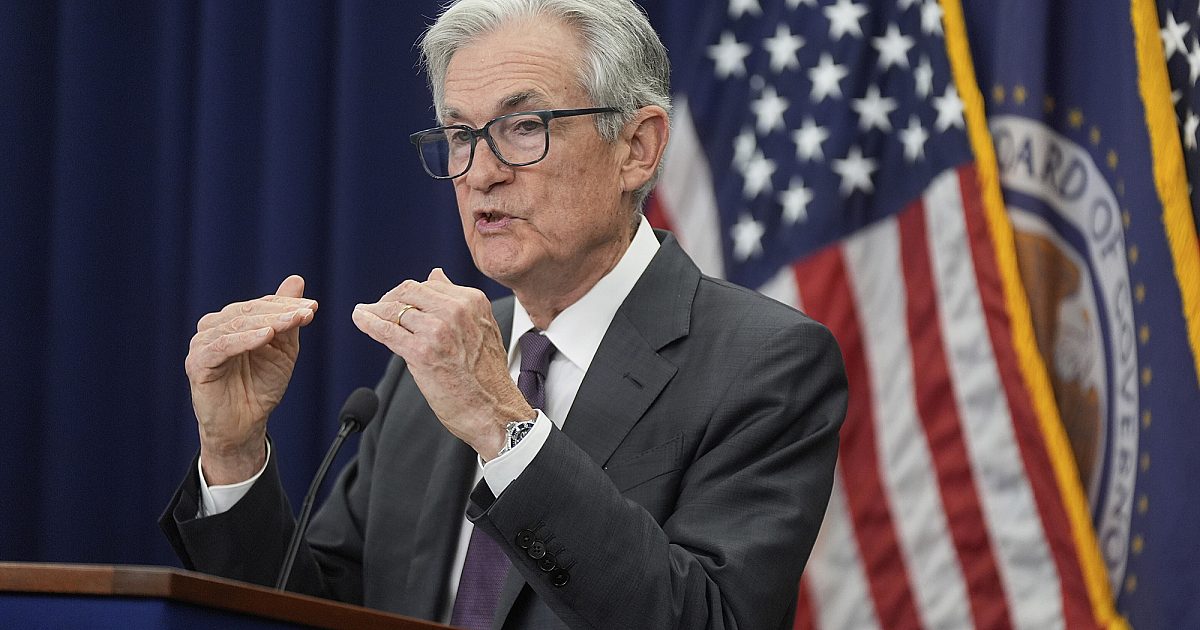
 World News Group
Stocks drop as the Fed keeps interest rates flat
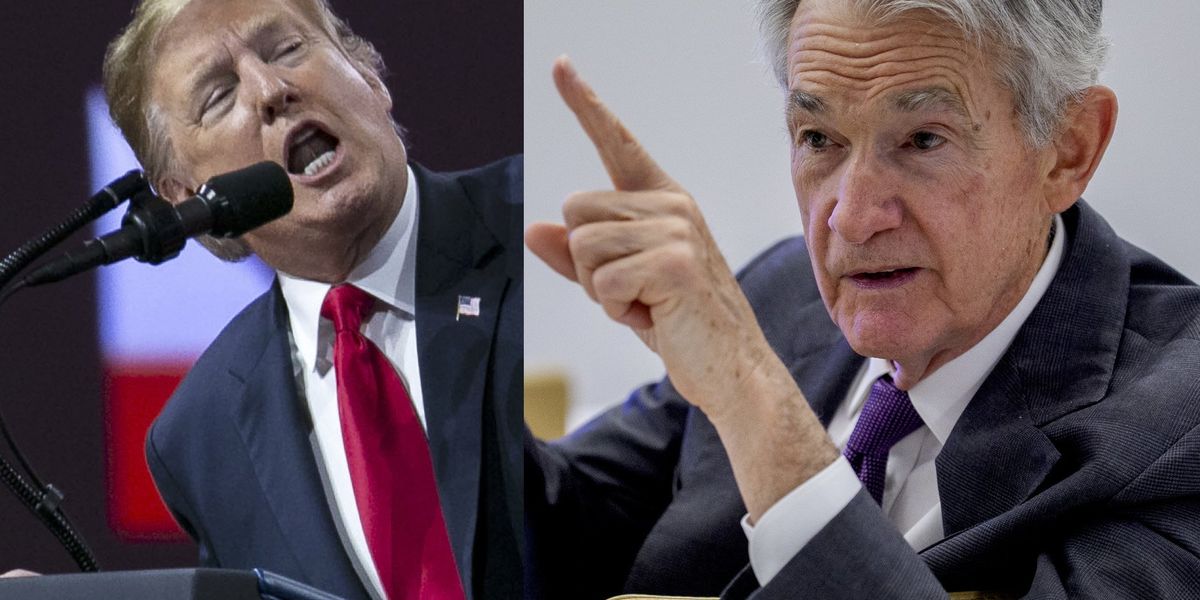
 The Blaze
Fed Chair Powell defies Trump, keeps interest rates unchanged despite good economic reports
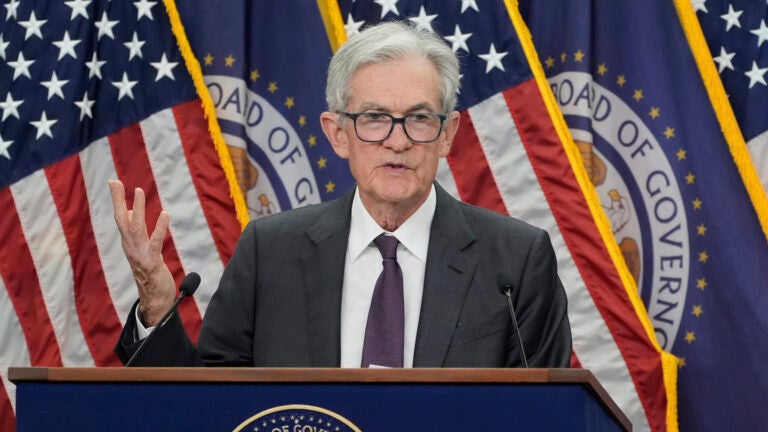
 Boston Globe
Federal Reserve leaves interest rates unchanged even as Trump demands cuts
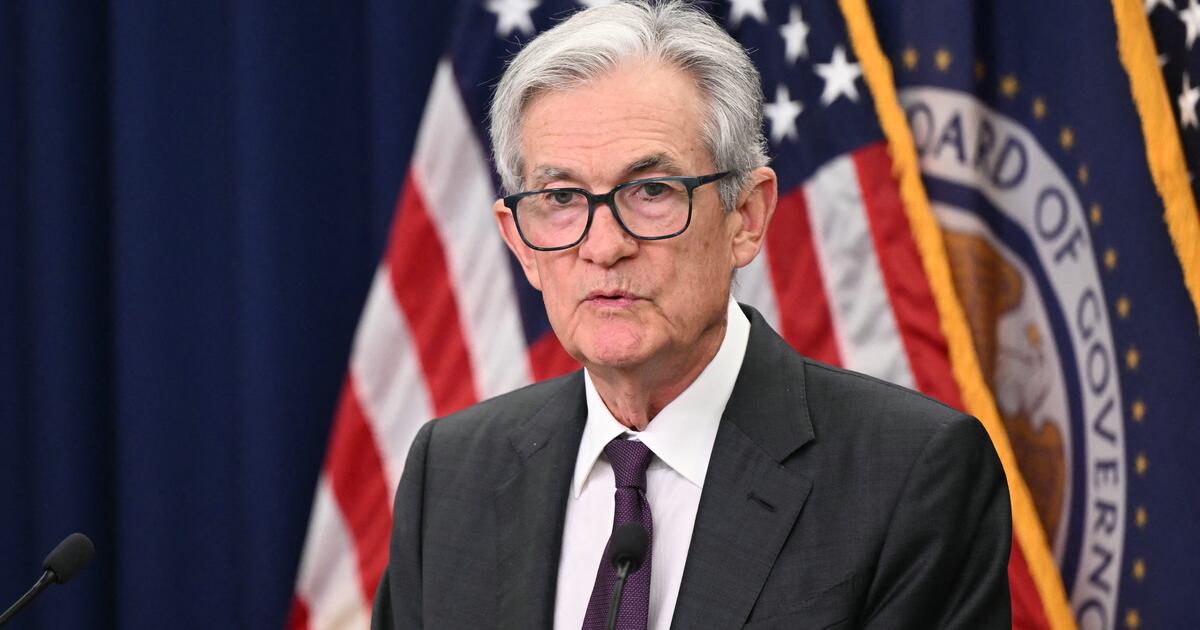
 Daily Beast
Fed Boss Snubs Trump Then Slaps Him Down in Public
Overview
Economic forecasters and business surveys are signaling a potential rise in consumer prices, directly linking this trend to ongoing tariff discussions and their implementation.
Despite these warnings from economic experts, investors are showing increasing optimism, believing that the ultimate economic impact of the tariffs will be contained.
Investors are gaining confidence that the final agreements on tariffs will not lead to severe or widespread negative effects on the broader economy.
This situation highlights a significant divergence in outlook between cautious forecasters, who focus on potential price increases, and optimistic investors.
The complex economic landscape suggests that potential inflationary pressures from tariffs are being weighed against market expectations of contained economic fallout.
Analysis
Center-leaning sources cover the Federal Reserve's decision to hold interest rates steady with a focus on factual reporting and comprehensive context. They explain the Fed's rationale, the economic indicators, and the political pressures from the Trump administration without adopting a biased narrative. The coverage includes diverse perspectives, ensuring a balanced understanding of the complex financial landscape.
FAQ
The 2025 tariffs are estimated to increase consumer prices by about 1.8% in the short run, which corresponds to an average household income loss of approximately $2,400 assuming no policy reaction from the Federal Reserve.
Clothing and textiles are disproportionately affected, with shoe prices rising by around 40% and apparel prices increasing by about 37-38% in the short run; these elevated prices are expected to persist long term.
Investors believe that the final tariff agreements will contain the overall economic impact without causing severe or widespread negative effects on the broader economy, maintaining confidence against cautious forecasts of inflation.