President Trump Implements New Tariffs on Key Trading Partners
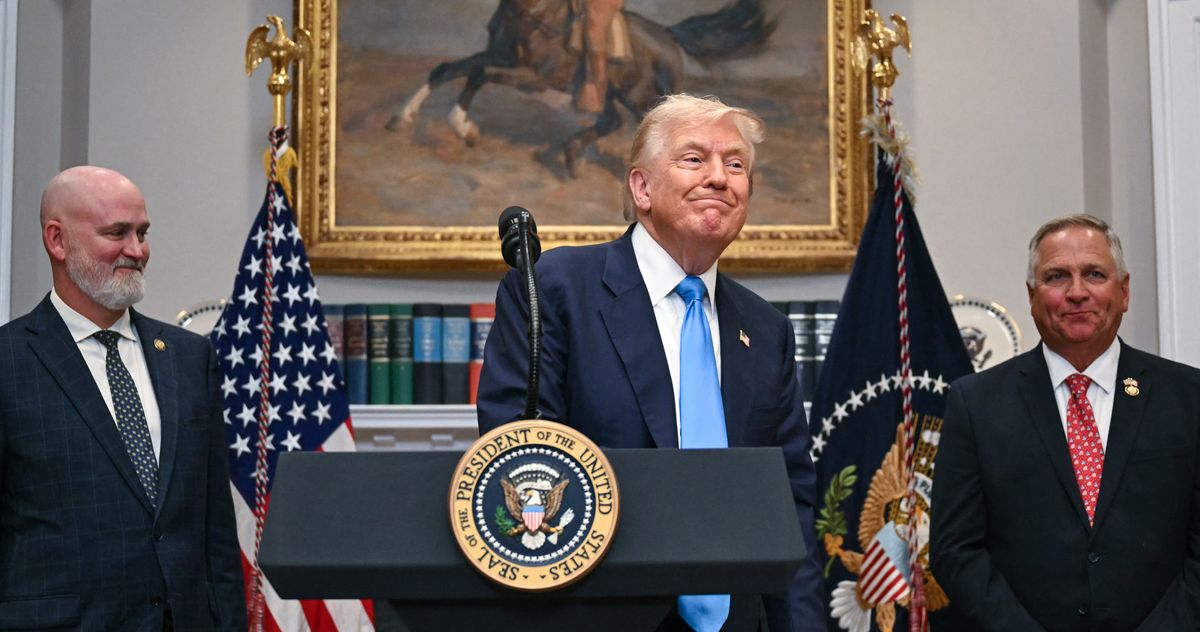
President Trump signed executive orders for new tariffs on U.S. trading partners, including the EU and Canada, starting early August, to address trade deficits.

 PBS NewsHour
What consumers can expect from import taxes as the U.S. sets new tariff rates
 New York Magazine
Trump’s Tariffs Kick Off at a Really Bad Time

 BBC News
Trump’s Tariffs: How businesses around the world responded
 New York Sun
Trump Sets Tariff Rates; See Which Countries are Highest on the List
Overview
President Donald Trump signed executive orders to implement new tariffs on U.S. trading partners, including the EU and Canada, set to begin in early August.
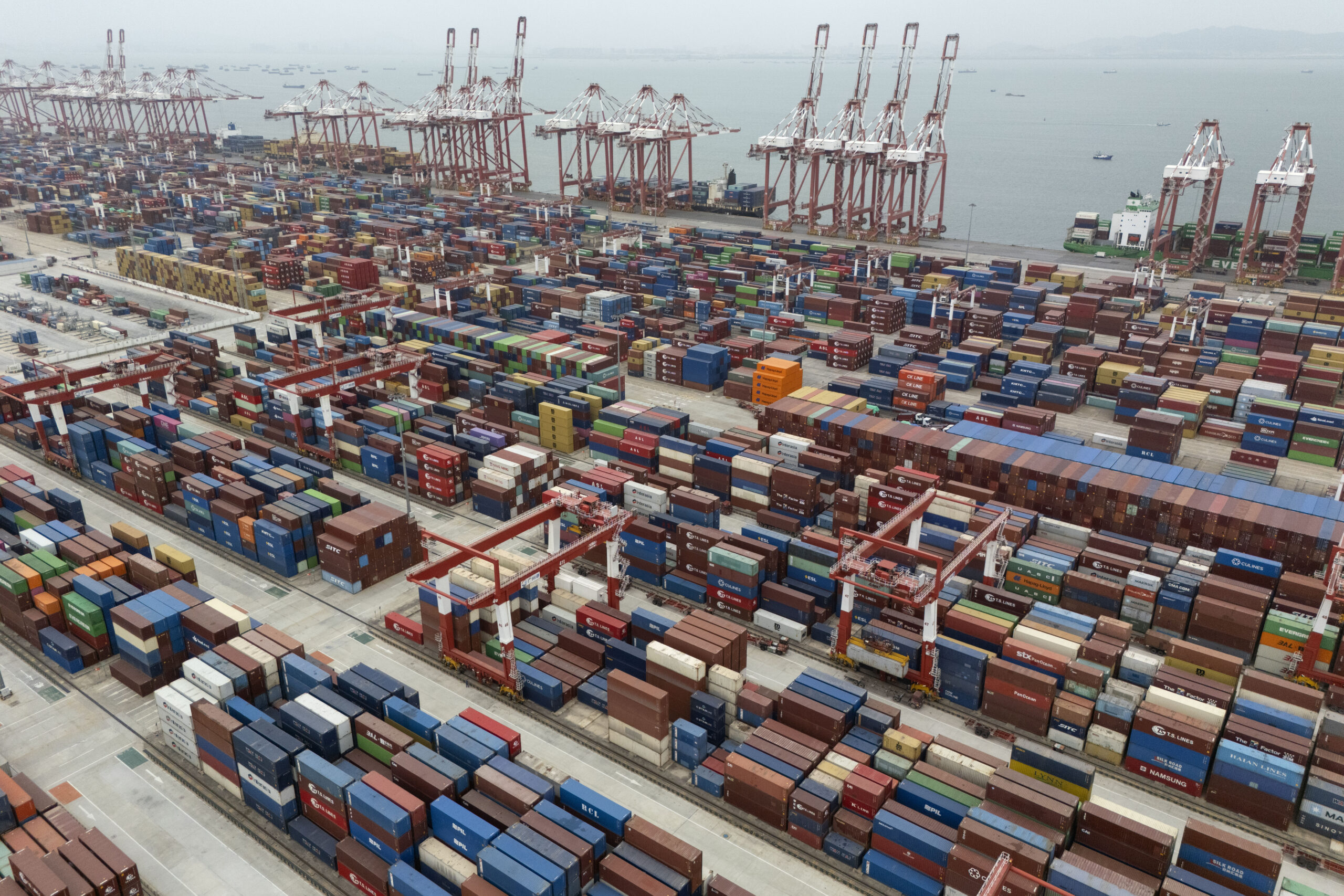
New tariff rates will range from 10% to 41%, increasing duties on Canadian goods from 25% to 35%, and applying sectoral tariffs to steel and aluminum imports.
The tariffs aim to address substantial trade deficits, impose reciprocal duties, and respond to accusations against Canada regarding illicit drug trafficking.
New rules of origin and increased import taxes on transshipped goods are introduced. However, products qualifying under USMCA agreements will remain exempt from these new tariffs.
While President Trump describes the tariff implementation as smooth, economists warn these protectionist measures could lead to higher prices for U.S. businesses and consumers.
Analysis
Center-leaning sources present a neutral, fact-based account of global business reactions to new tariffs. They avoid loaded language, instead focusing on diverse perspectives from various countries and industries. The coverage highlights both mitigated impacts and significant challenges, attributing all opinions to specific sources, thereby maintaining an objective overview of the economic consequences worldwide.
FAQ
President Trump implemented tariffs ranging from 10% to 41%, increasing duties on Canadian goods from 25% to 35%, and applied sectoral tariffs on steel and aluminum imports from these trading partners.
The tariffs aim to address substantial trade deficits, impose reciprocal duties, and respond to accusations against Canada regarding illicit drug trafficking.
Products that qualify under the USMCA trade agreement will remain exempt from the new tariffs, maintaining tariff-free trade for eligible goods.
Economists warn that these protectionist tariffs could lead to higher prices for U.S. businesses and consumers due to increased import costs.
New rules of origin and increased import taxes on transshipped goods aim to prevent tariff avoidance by ensuring goods meet certain criteria to qualify for lower tariffs or exemptions.
