President Trump's New Import Tariffs Take Effect, Impacting Global Trade and U.S. Economy
President Trump's new import tariffs on goods from the EU, Japan, South Korea, and other nations took effect Thursday, targeting key sectors and potentially generating $300 billion in revenue.
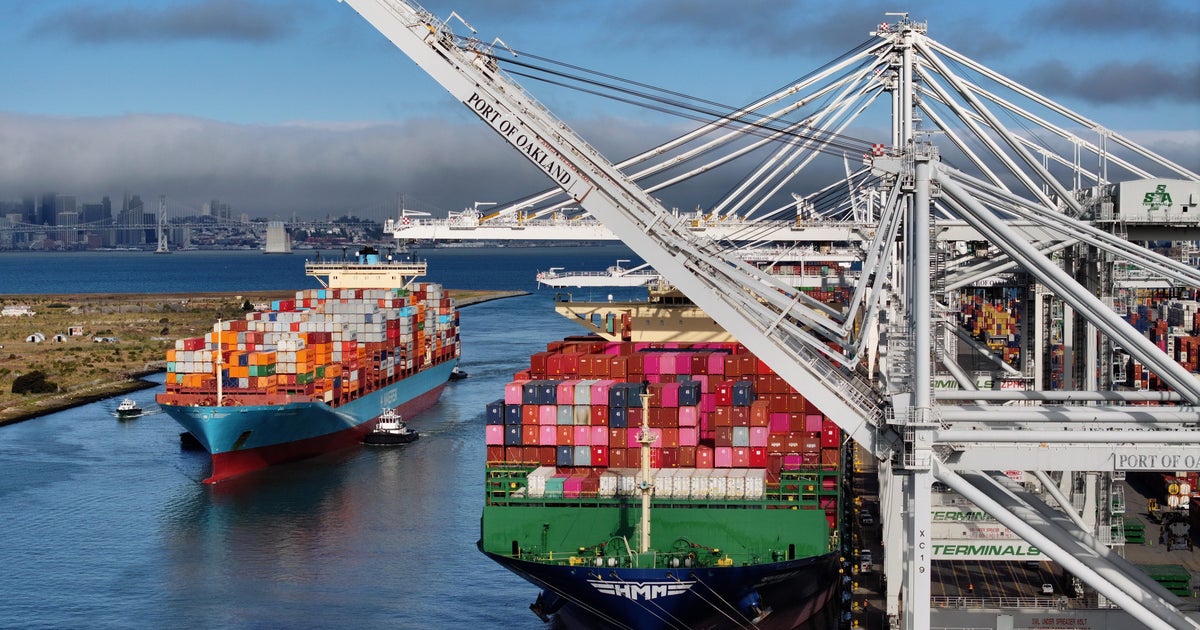
 CBS News
With new tariffs in effect, economists see profit dips and price hikes up ahead

 Chicago Tribune
What US consumers can expect from new tariffs on imported goods
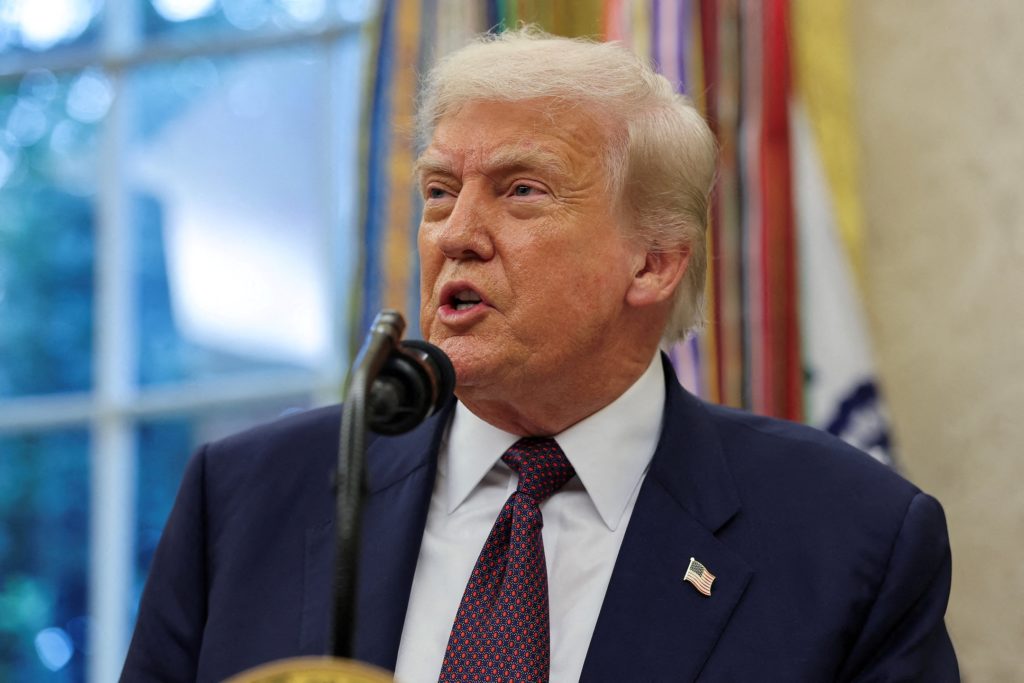
 PBS NewsHour
As Trump's tariffs kick in, economist breaks down inflation and recession warning signs
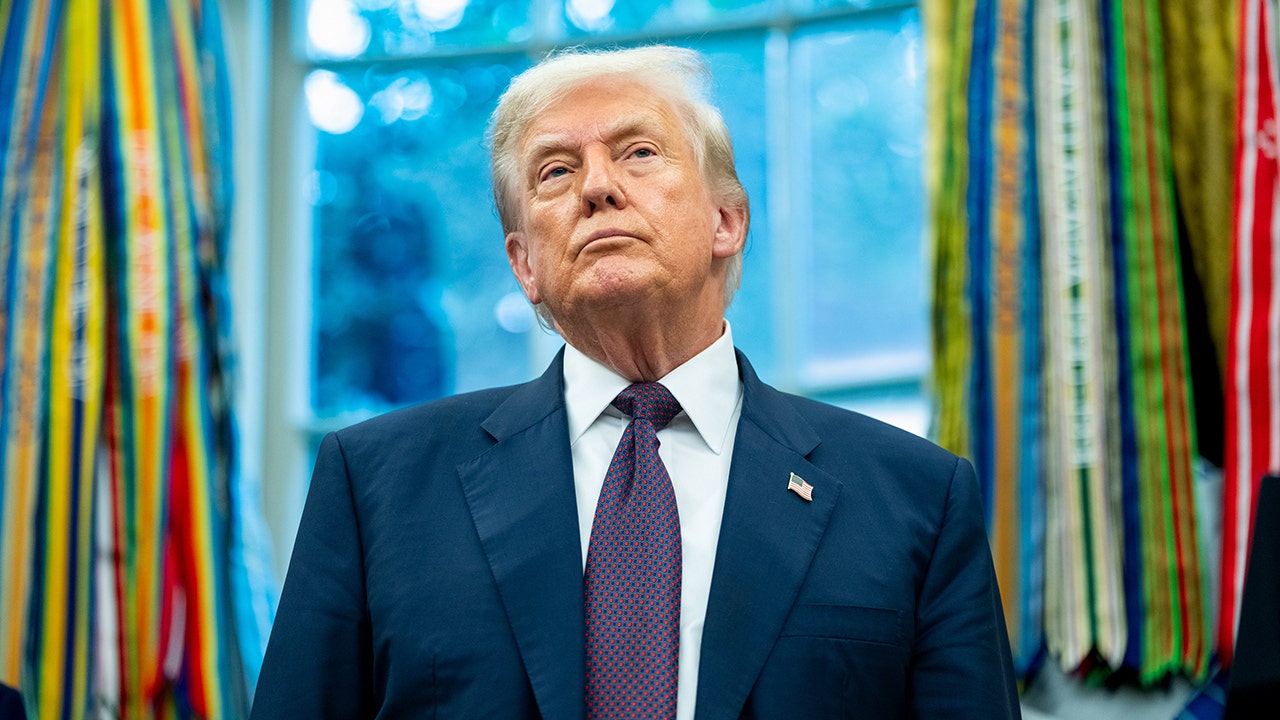
 Fox Business
Trump 'Liberation Day' reciprocal tariffs take effect
Overview
President Trump's new import tariffs on goods from multiple countries, including the EU, Japan, and South Korea, officially took effect on Thursday, marking a significant shift in U.S. trade policy.
Tariff rates vary, with 15% applied to the EU, Japan, and South Korea, 20% for Taiwan, Vietnam, and Bangladesh, and a potential 50% for India, impacting diverse global trade partners.
The tariffs specifically target key sectors such as pharmaceuticals (up to 200%), computer chips (100%), and metals (50%), leading to anticipated increased costs for affected companies and consumers.
The U.S. Treasury Secretary forecasts annual tariff revenues could exceed $300 billion, but warns that these measures may also lead to a rise in household costs, potentially by $2,400 annually.
Uncertainty persists regarding the application of tariffs on Chinese products and the long-term economic effects on trade partners, although some nations have successfully negotiated lower rates or exclusions.
Analysis
Center-leaning sources frame the new tariffs as a significant economic burden, emphasizing their negative impact on businesses and consumers. They consistently highlight rising costs, profit dips, and potential inflation, often using strong language to describe these effects. While acknowledging the administration's claims of revenue generation, they prioritize expert opinions and corporate examples that underscore the tariffs' detrimental financial consequences for Americans.
FAQ
The tariffs apply a 15% rate on goods from the EU, Japan, and South Korea; 20% on goods from Taiwan, Vietnam, and Bangladesh; and up to 50% on goods from India.
Key sectors targeted include pharmaceuticals with tariffs up to 200%, computer chips at 100%, and metals at 50%.
The U.S. Treasury Secretary projects that the tariffs could generate over $300 billion in annual revenue but may also raise household costs by approximately $2,400 per year.
The tariffs aim to address the national emergency caused by large and persistent U.S. trade deficits, restore reciprocity in trade relationships, rebuild American manufacturing, and protect the national and economic security of the United States.
Some countries have successfully negotiated lower tariff rates or obtained exclusions from the tariffs, though specific details vary and uncertainties remain regarding China and other trade partners.