Trump Administration Secures 15% Revenue Share from Nvidia and AMD's China Sales
Nvidia and AMD will remit 15% of China semiconductor sales revenue to the US government, a Trump administration condition for export licenses, regulating advanced chip exports.
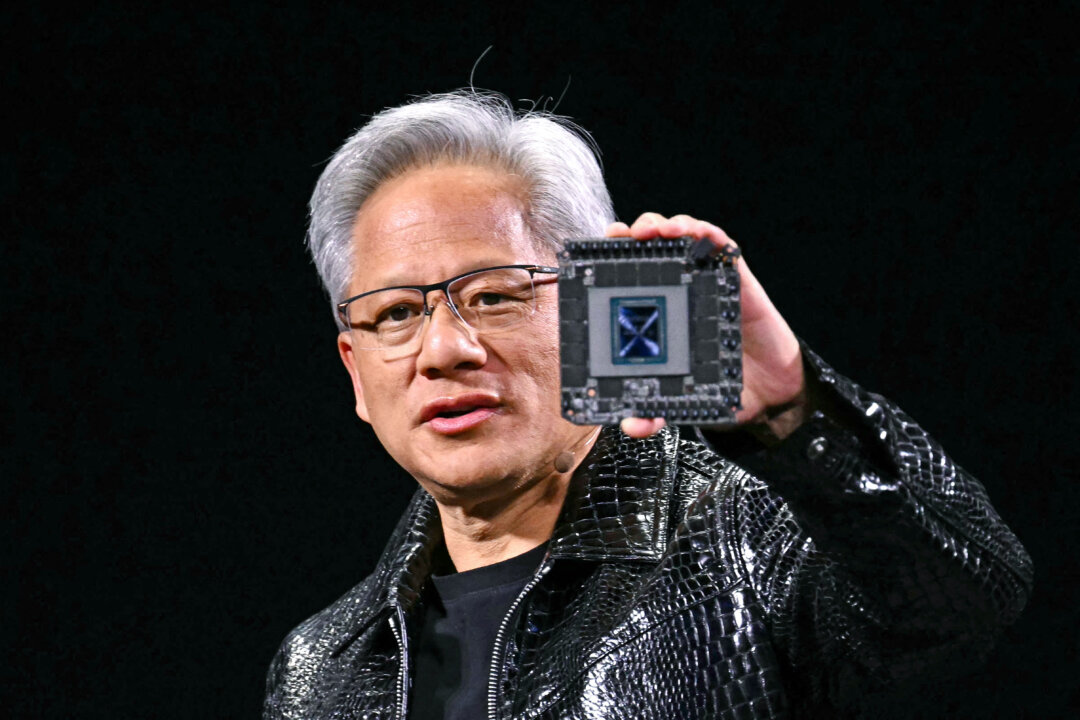
 Epoch Times
Trump Confirms AMD, Nvidia Will Pay 15 Percent Fee for Chip Sales in China
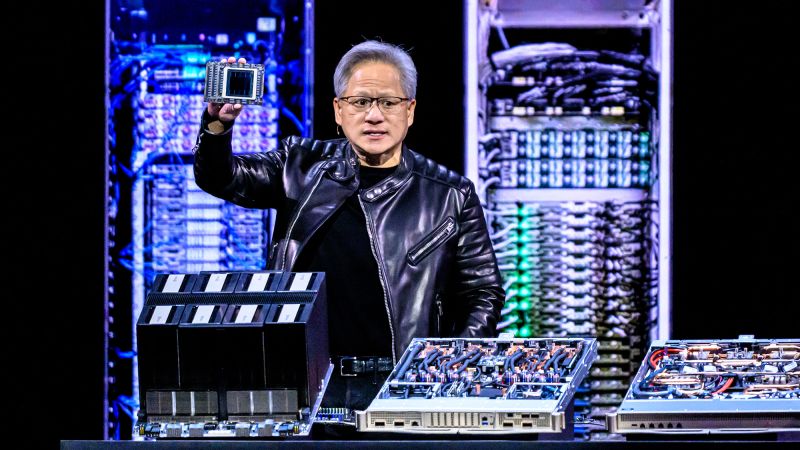
 CNN
CNNThe world’s biggest company got caught in the middle of Trump’s AI war with China | Business
 NPR
NPRTrump says Nvidia will hand the U.S. 15% of its H20 chip sales to China
 ARS Technica
Trump strikes “wild” deal making US firms pay 15% tax on China chip sales
Overview
Semiconductor giants Nvidia and AMD reached an agreement with the US government under the Trump administration concerning their sales operations within China.
As part of this deal, both companies are now required to remit 15% of their revenue generated from semiconductor sales in the Chinese market to the US government.
This financial arrangement is a crucial condition for Nvidia and AMD to obtain essential export licenses, allowing them to continue selling their products in China.
The agreement specifically targets the export of advanced chips, including Nvidia's H20 and AMD's MI308, which are vital components for their ongoing operations in China.
The US government's strategic objective is to regulate and financially benefit from the sales of American-made high-tech semiconductors in the significant Chinese market.
Analysis
Center-leaning sources frame this story by emphasizing the controversial and potentially problematic nature of the chip sale agreement. They prominently feature criticisms from both Democratic and conservative voices, questioning its legality, constitutionality, and national security implications. This collective editorial choice positions the deal as highly scrutinized and unusual, inviting reader skepticism.
FAQ
The 15% revenue share agreement is a condition for Nvidia and AMD to obtain export licenses from the US government, allowing them to continue selling advanced semiconductor chips in China while enabling the US government to regulate and financially benefit from these sales.
The agreement targets advanced chips including Nvidia's H20 chip and AMD's MI308 chip, both specialized for artificial intelligence applications and vital for the companies' operations in China.
This revenue-sharing plan is highly unusual because corporations typically do not pay the federal government a share of revenue from their export sales, and export licenses generally do not carry fees.
The US government's strategic objective is to regulate and financially benefit from the sales of American-made high-tech semiconductors in the significant Chinese market, aiming to maintain leverage and economic interest.
The agreement enables Nvidia and AMD to obtain the necessary export licenses from the US government, thereby allowing them to legally resume and continue their sales of advanced semiconductor chips in the Chinese market.
