Canadian Government Ends Air Canada Cabin Crew Strike, Flights to Resume
The Canadian government mandated binding arbitration to end Air Canada's cabin crew strike, which suspended 700 daily flights and affected over 100,000 passengers, with flights resuming Sunday evening.
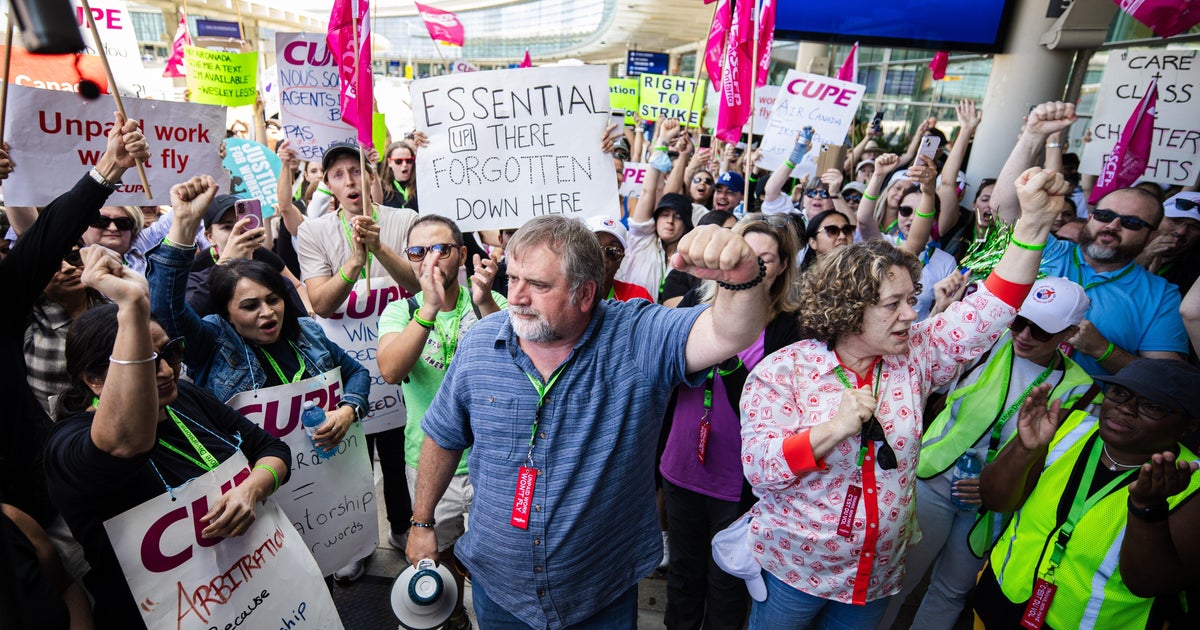
 CBS News
Air Canada flight attendants end days-old strike after tentative agreement reached with carrier, union says
 Associated Press
Air Canada reaches deal with union to end strike
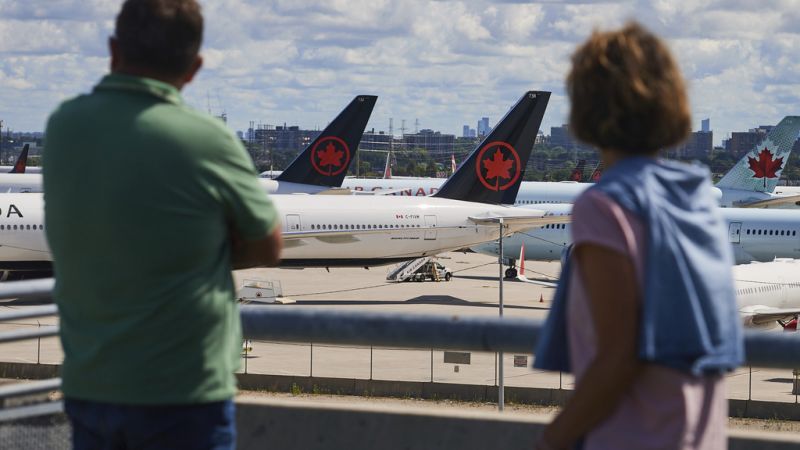
 CNN
CNNAir Canada strike ends after airline and flight attendants reach tentative agreement | Business
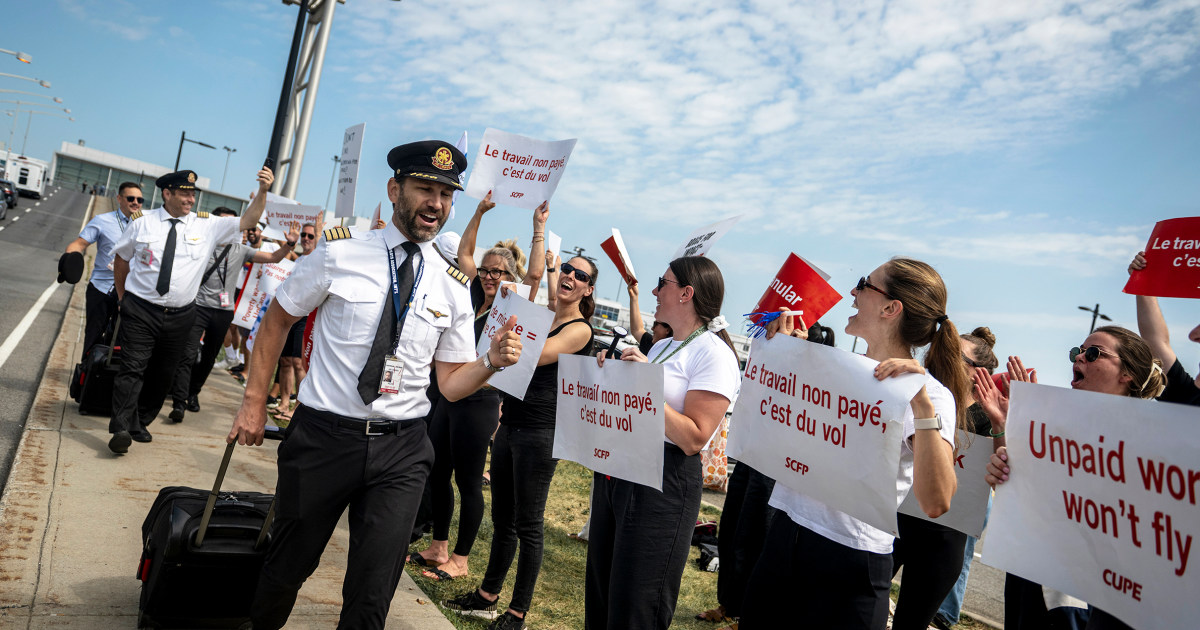
 NBC News
Air Canada, flight attendants reach tentative deal to end strike
Overview
Air Canada suspended approximately 700 daily flights, disrupting over 100,000 passengers due to a cabin crew strike stemming from a prolonged contract impasse, causing significant travel inconvenience.
The widespread flight cancellations created uncertainty for affected travelers, highlighting the severe impact of the labor dispute on public travel and the airline's operations.
The Canadian Industrial Relations Board (CIRB) and the Jobs Minister intervened, directing Air Canada to resume operations and flight attendants to return to their duties immediately.
The Canadian government decisively ended the strike by mandating binding arbitration, a measure taken to resolve the ongoing contract dispute between the airline and its crew members.
Air Canada is scheduled to resume flights on Sunday evening following the strike's resolution, though full operational normalcy is anticipated to require several days for complete recovery.
Analysis
Center-leaning sources cover this story neutrally by presenting a balanced account of the labor dispute between Air Canada and its flight attendants. They include perspectives from both the airline and the union, detail government intervention, and illustrate the impact on travelers, avoiding loaded language or favoring one side.
FAQ
The strike was caused by a prolonged contract impasse over wage negotiations and unpaid work, including demands for pay for ground duties; it lasted several months before the government's intervention.
The CIRB declared the strike unlawful, ordered the union leaders to direct flight attendants to return to work immediately, and mandated binding arbitration to resolve the dispute.
Approximately 700 daily flights were suspended, disrupting over 100,000 passengers. Air Canada suspended flight operations but planned to resume flights on Sunday evening, expecting full recovery to take several days.
The union argued that wages were below inflation, market value, and the federal minimum wage, and sought pay for ground duties such as boarding and deplaning; Air Canada offered a 17.2% wage increase over four years, disputed by the union as insufficient.
Air Canada allowed free changes to flights booked by August 17 for travel between August 15-22, provided refunds or future travel credits for non-refundable tickets, and offered full refunds for unused travel between August 18-21 for tickets purchased on or before August 15.

