US and EU Finalize Major Trade Deal with New Tariffs and Investment Commitments
The US and EU finalized a major trade deal, implementing new tariffs on European imports, committing to significant energy purchases and investments, and outlining reciprocal tariff reductions.
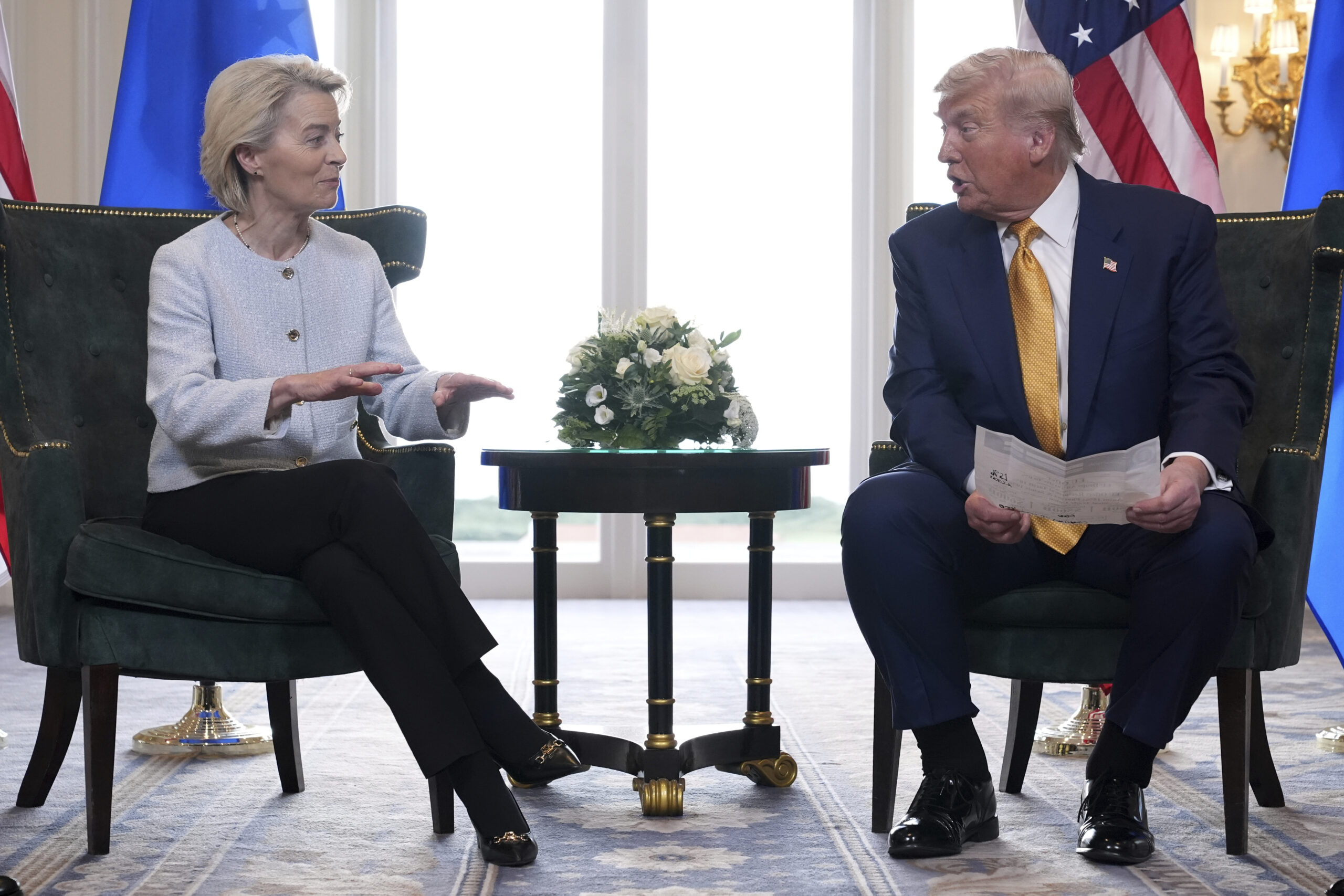
 New York Sun
Partial Details of US-EU Trade Pact Reveal Some European Winners and Losers

 PBS NewsHour
The U.S. and EU release a bare-bones account of their trade deal, but it's a work in progress
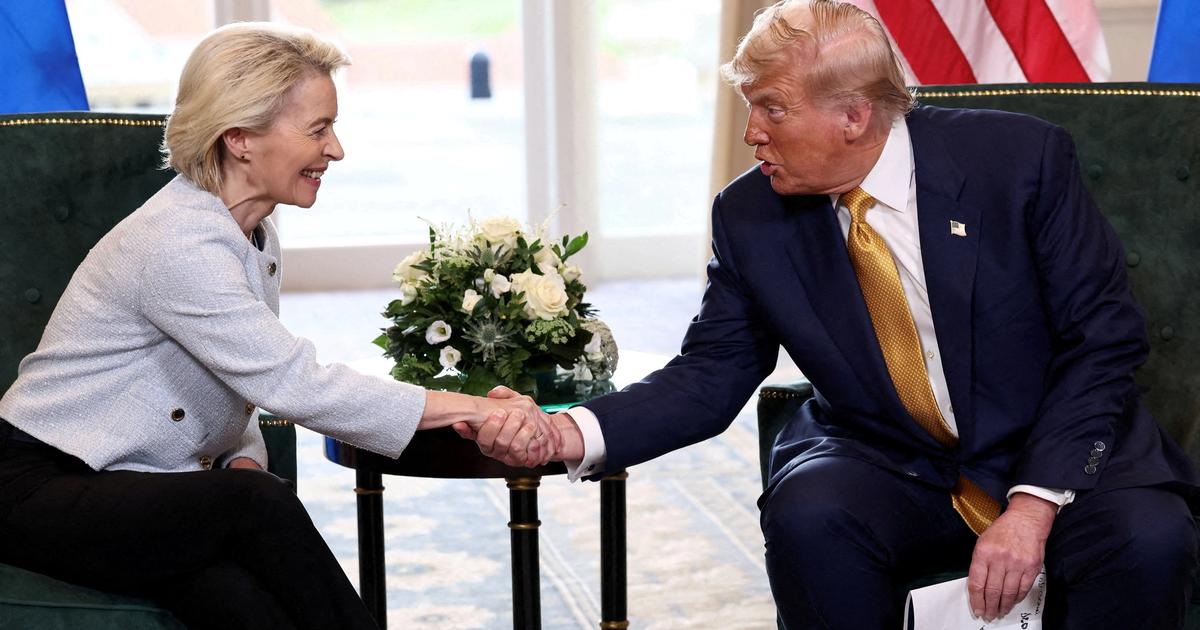
 Semafor
US agrees to cap tariffs on Europe at 15% in trade deal framework
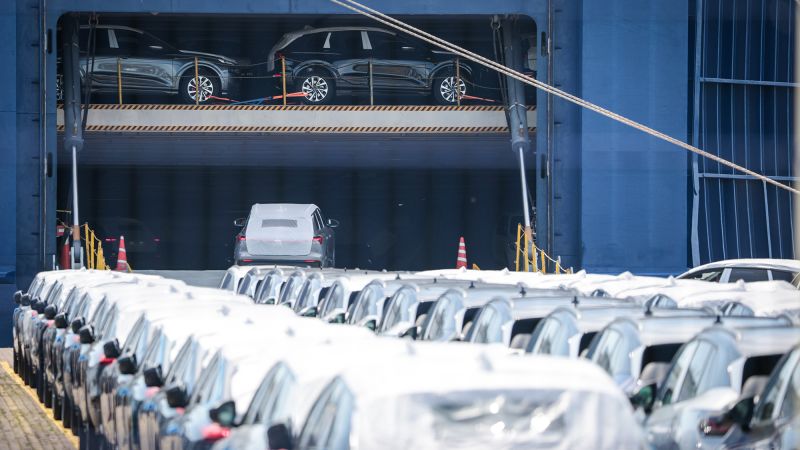
 CNN
CNNLower US tariffs on EU autos are on hold for now | Business
Overview
The US and EU finalized a major trade deal, imposing a 15% tariff on most European imports, including cars and pharmaceuticals, significantly impacting transatlantic commerce.
The agreement includes a commitment for the US and EU to $750 billion in energy purchases and $600 billion in EU investments by 2028, prioritizing U.S. energy products.
Both parties agreed to eliminate tariffs on industrial goods and select agricultural products, with the EU also offering preferential terms for American exports into its markets.
The US will maintain its 27.5% tariffs on EU automobiles until the EU enacts legislation to reduce tariffs on US goods, setting a reciprocal condition for adjustments.
Future plans outline the US lowering its tariffs on cars and car parts once Brussels takes similar action, indicating a phased approach to broader tariff reductions.
Analysis
Center-leaning sources collectively frame the U.S.-EU trade agreement with a cautious and critical tone. They emphasize its "bare-bones" nature, non-binding status, and the significant areas left unresolved. The coverage highlights the deal's higher tariffs compared to previous levels and potential negative impacts on consumers, while also noting the need for European officials to defend the pact against internal "dismay."
FAQ
The deal establishes a 15% baseline tariff on most European imports to the US, including cars and pharmaceuticals, while eliminating tariffs on certain industrial goods and agricultural products. The US retains a 27.5% tariff on EU automobiles until the EU reduces tariffs on US goods to meet reciprocal conditions.
The US and EU have committed to $750 billion in energy purchases and $600 billion in EU investments by 2028, with a priority on US energy products.
The US will maintain its 27.5% tariffs on EU automobiles until the EU enacts legislation to reduce tariffs on US goods. Future plans include the US lowering its tariffs on cars and car parts once the EU takes similar reciprocal action, indicating a phased approach to tariff reductions.
The 15% tariff on most EU exports took effect on August 2, 2025, enforced by US Customs. The formal ratification process differs: the US implements via executive action without extra congressional approval, while the EU's ratification involves the European Council and Parliament, likely extending into late September or October.
Some EU member states, including France and Germany, criticize the deal's asymmetrical nature and its departure from WTO pharmaceutical trading norms. However, the European Commission argues the agreement offers better outcomes than a trade war and provides businesses with stability and predictability.

