President Trump Expands Tariffs on Key Imports, Including Pharmaceuticals and Furniture, Effective Wednesday
President Trump is implementing new tariffs (25%-100%) on pharmaceuticals, furniture, kitchen cabinets, and heavy trucks, effective Wednesday, aiming to boost U.S. manufacturing.
 ABC News
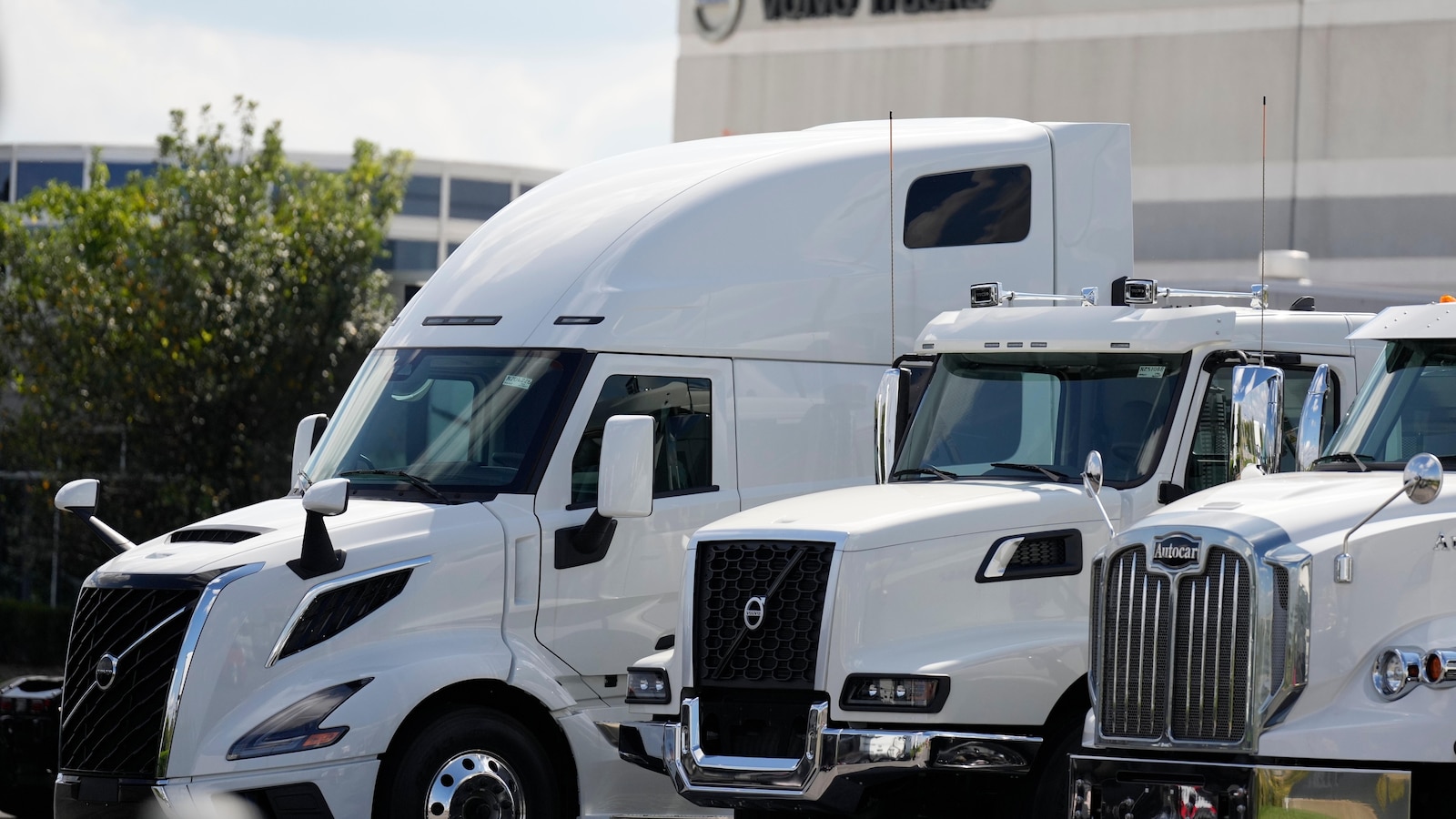
Trump finds new trade targets -- pharmaceuticals, kitchen cabinets and heavy trucks
 Associated Press
Trump finds new trade targets -- pharmaceuticals, kitchen cabinets and heavy trucks

 TIME Magazine
How Trump's Tariffs on Drugs and Furniture Could Impact You
 Epoch Times
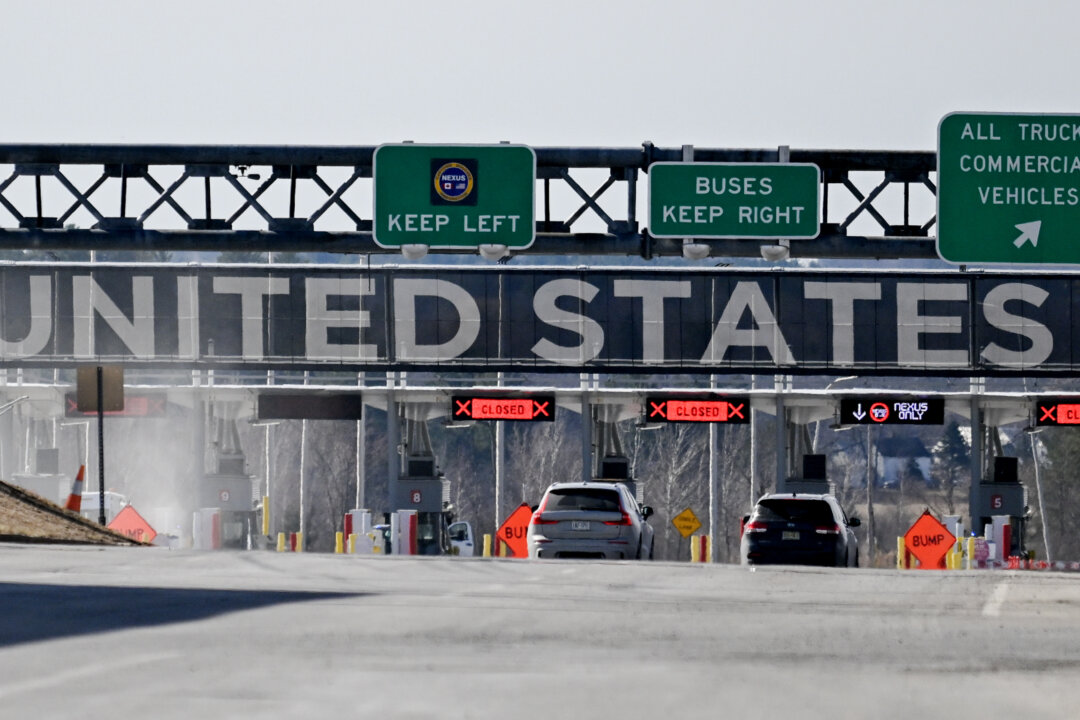
How Trump’s New Tariffs on Pharmaceuticals, Heavy Trucks, and Kitchen Cabinets Could Impact Canada
Overview
President Donald Trump is implementing new tariffs, ranging from 25% to 100%, on imported pharmaceuticals, furniture, kitchen cabinets, and heavy trucks, effective this Wednesday.
These tariffs aim to strengthen U.S. manufacturing, enhance national security, and protect domestic producers by incentivizing local investment and production within the United States.
Branded pharmaceuticals face a 100% tariff unless companies build U.S. manufacturing plants; generic drugs and U.S.-based production facilities are exempt from these new duties.
These new import taxes are expected to raise consumer prices for affected goods and drive up housing market costs, adding to existing financial pressures on homeowners.
The U.S. Treasury has collected significantly more customs duties, yet the U.S. Chamber of Commerce opposes these tariffs, especially on goods with parts from allied nations.
Analysis
Center-leaning sources collectively frame Trump's new tariffs as disruptive and economically detrimental. They emphasize the potential for higher consumer prices, uncertainty for businesses, and question the national security justifications. The coverage highlights expert skepticism and industry opposition, often presenting counter-evidence to Trump's claims regarding job creation and inflation, portraying the policy as problematic for the economy and consumers.
FAQ
The new tariffs affect pharmaceuticals (with a 100% tariff on branded drugs), furniture, kitchen cabinets, bathroom vanities, and heavy trucks. The tariffs range from 25% to 100% depending on the product category.
Yes, generic drugs and pharmaceuticals produced in U.S.-based manufacturing facilities are exempt from the tariffs. Additionally, exports from Europe and companies already onshoring manufacturing may receive exemptions, limiting the overall impact on the pharmaceutical sector.
The tariffs are intended to strengthen U.S. manufacturing, protect national security, and incentivize domestic production to reduce reliance on imports, particularly for critical sectors like pharmaceuticals, furniture, and heavy trucks.
The tariffs are expected to raise consumer prices for affected goods, including pharmaceuticals and furniture, and increase housing market costs due to higher prices for kitchen cabinets and related products. This may add to existing financial pressures on homeowners.
The U.S. Chamber of Commerce has opposed the tariffs, especially those on goods containing parts from allied nations, arguing that these import taxes may disrupt supply chains and harm businesses.