Black Friday Adapts to Shifting Consumer Habits Amid Economic Headwinds
Black Friday's traditional appeal is shifting as US retailers adapt to early online discounts, evolving consumer behavior, and economic uncertainties, while still anticipating a holiday sales boost.



Overview
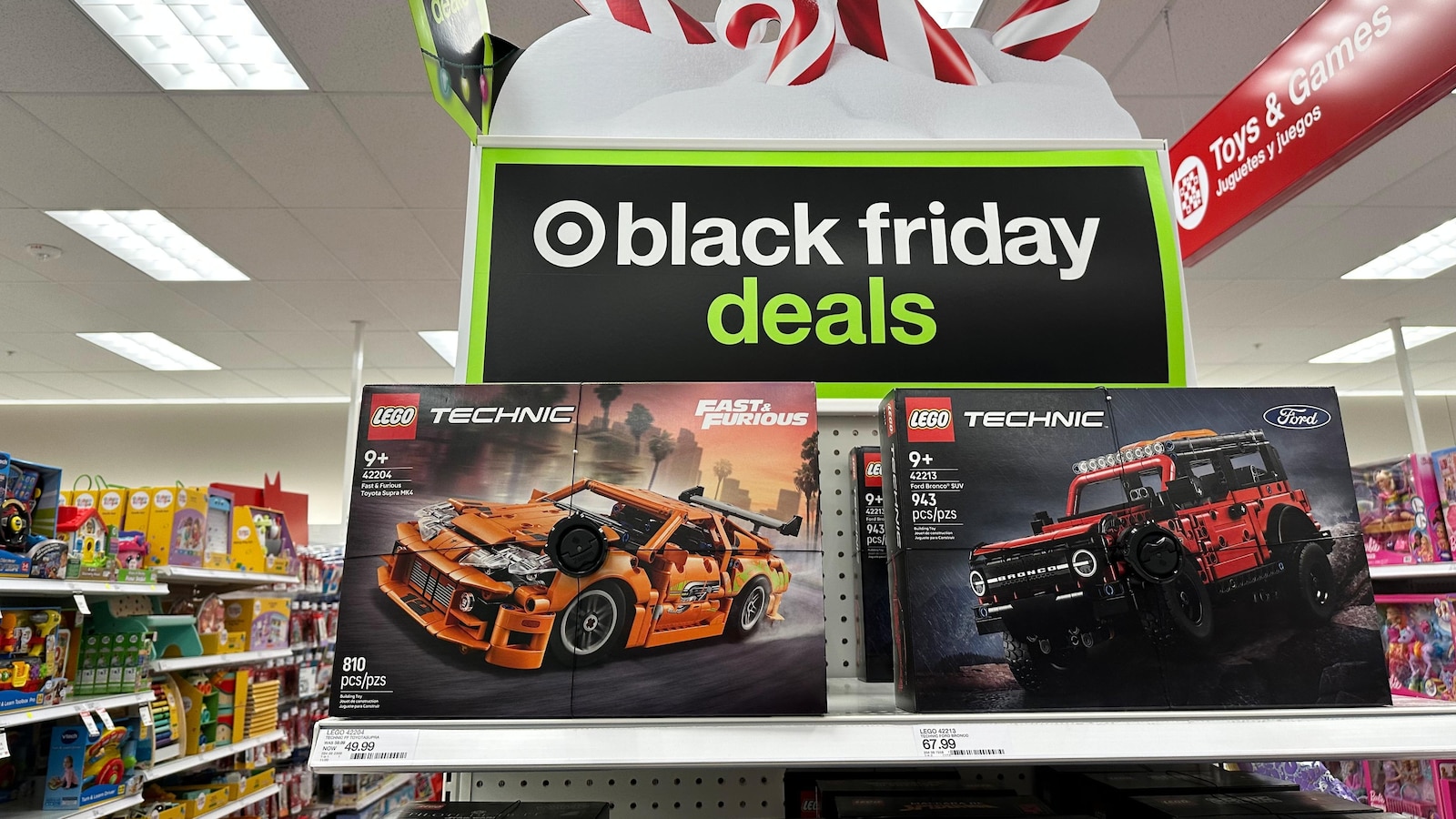
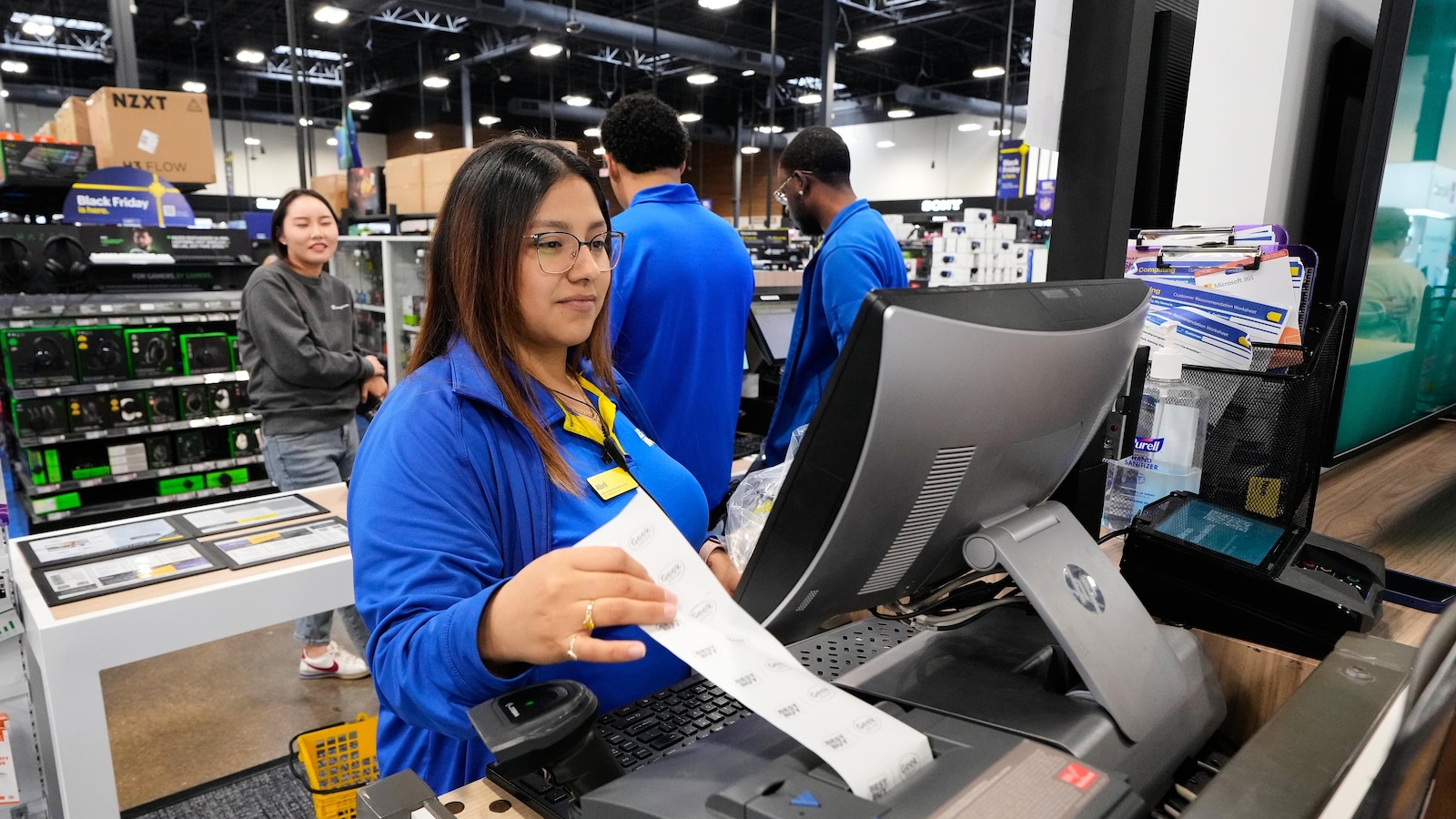
Black Friday's traditional midnight shopping sprees have diminished, with US retailers now focusing on early discounts and online shopping to capture consumer interest.
Despite its evolving nature, Black Friday remains the unofficial kickoff for the holiday shopping season, with retailers assessing its potential "halo effect" on overall sales.
Consumer confidence in the US economy has declined due to factors like government shutdowns, weak hiring, and persistent inflation, influencing shopper behavior.
Customers are becoming more discerning and deal-focused, impacting Black Friday sales, especially with significant price increases observed in general merchandise and toys.
Early holiday spending from November 1-23 reached $79.7 billion, a 7.5% increase, and US retail foot traffic surpassed pre-pandemic levels, indicating potential despite economic uncertainties.
Analysis
Center-leaning sources cover this story neutrally by presenting a balanced perspective on the holiday shopping season. They acknowledge economic headwinds like falling consumer confidence and inflation while simultaneously highlighting strong consumer spending, robust online sales, and positive foot traffic at malls. The reporting avoids loaded language and integrates diverse expert opinions to provide a comprehensive view.
FAQ
In 2025, Black Friday shopping has shifted toward earlier online discounts and a greater focus on value-seeking, with fewer shoppers participating in traditional midnight sales. Consumers are more deal-focused, with a compressed decision-making timeline and increased use of mobile devices and social media for research and purchases.
The primary reasons shoppers are reducing holiday spending in 2025 are rising costs of living (70%), higher grocery prices (57%), and persistent inflation (54%). These economic pressures have made consumers more cautious and deal-focused.
Walmart and Target are the most popular in-person retailers for Black Friday shopping in 2025, with 71% and 56% of shoppers planning to visit, respectively. Amazon is the top destination for Cyber Week, with 94% of shoppers planning to buy there.
Retailers are adapting by launching promotions earlier, offering leaner discounts, and focusing on online and mobile shopping experiences. They are also using AI-driven recommendations and dynamic pricing to personalize offers and attract deal-focused shoppers.
Social media and influencer marketing have become dominant, especially among Gen Z, who discover products through platforms like TikTok, Instagram, and YouTube. Influencers drive conversions at six times the rate of standard social media campaigns by providing relatable, authentic content.
Consumer confidence has declined due to economic uncertainties like inflation, weak hiring, and government shutdowns. This has led shoppers to be more cautious, deal-focused, and less likely to spend impulsively, impacting overall Black Friday sales trends.


