Bitcoin Plunges Below $85,000 Amid Market Uncertainty and Regulatory Concerns
Bitcoin has experienced a significant 33% decline in eight weeks, falling below $85,000 from its October 6 record high, impacting crypto stocks and futures.




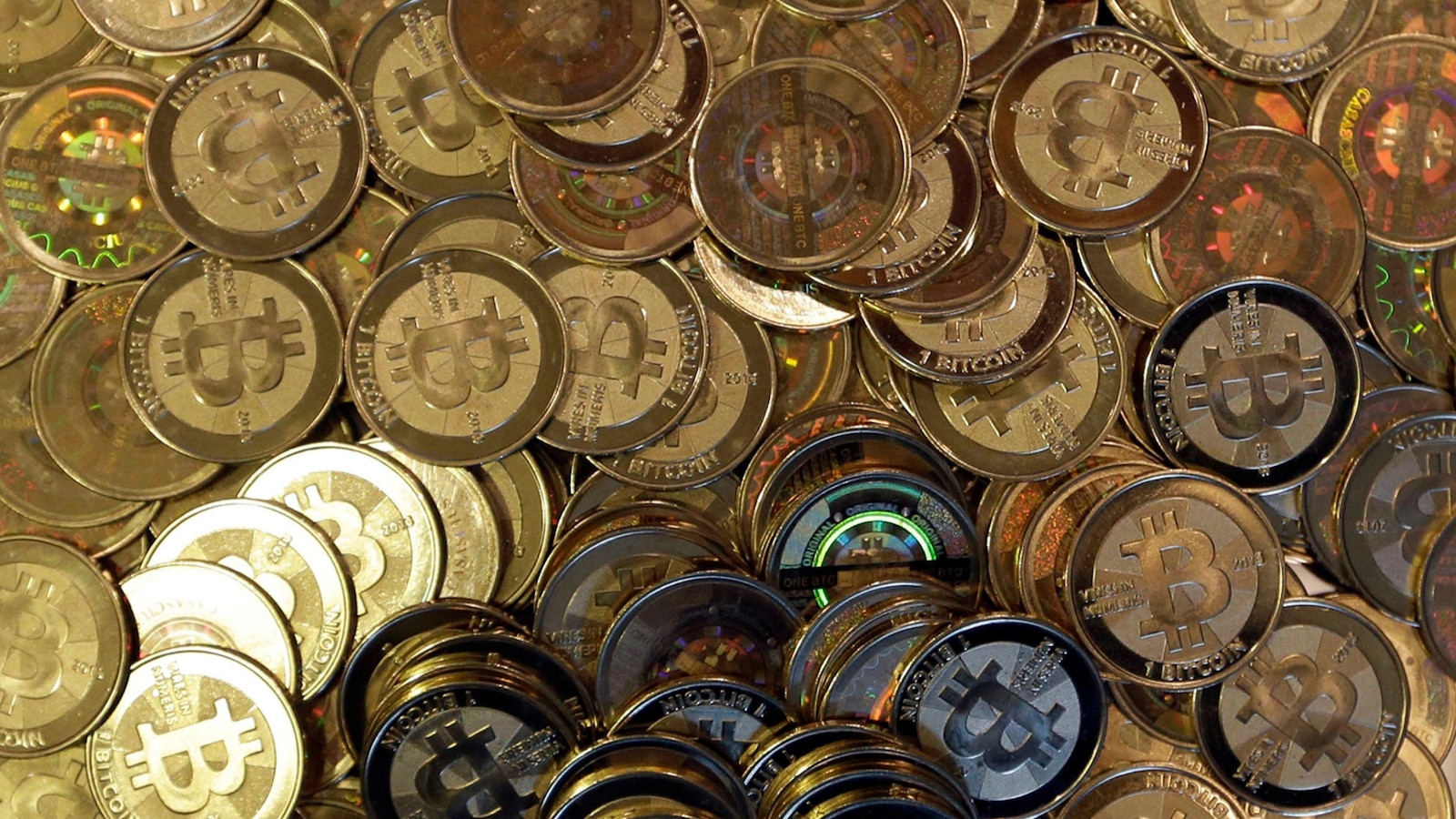


Overview
Bitcoin's value has sharply declined by 33% in just eight weeks, dropping below $85,000 after reaching a record high of over $125,000 on October 6.
This significant drop in Bitcoin's price has negatively impacted crypto-related stocks, including major players like Coinbase and Robinhood, affecting the broader market.
Bitcoin futures have also seen a substantial decrease of almost 24% in the past month, contrasting with a nearly 7% increase in gold futures during the same period.
Analysts attribute the recent crypto market downturn to factors such as institutional selling, long-term holders realizing profits, and a more hawkish stance from the Federal Reserve.
Stalled crypto regulation and ongoing global economic developments are contributing to heightened uncertainty within the cryptocurrency sector, further pressuring Bitcoin's price.
Analysis
Center-leaning sources frame this story by using strong, evaluative language to describe the market downturn, such as "rout" and "swoon." They emphasize the severity of the decline and link it to broader market sentiment and regulatory uncertainty. The coverage also highlights specific crypto ventures tied to political figures, suggesting a broader context beyond pure market forces.
FAQ
The decline is attributed to a combination of institutional selling, long-term holders realizing profits, a more hawkish Federal Reserve stance, stalled crypto regulation, and ongoing global economic uncertainties.
The price drop negatively impacted crypto-related stocks such as Coinbase and Robinhood and caused Bitcoin futures to fall nearly 24% in the past month, while gold futures increased about 7%. Other cryptocurrencies like Ethereum, Solana, and XRP also experienced significant declines.
The Federal Reserve's more hawkish stance, particularly concerns about interest rate increases and tighter monetary policy, has led investors to sell riskier assets like Bitcoin, contributing to its price decline.
Opinions vary, but several analysts view the drop as part of a temporary correction with potential for recovery, while others warn that bearish trends may continue if key support levels fail and selling pressure persists.
Thin liquidity, especially during certain periods, combined with high leverage and stop-loss orders triggering rapid sell-offs, has increased sharp price declines despite fundamentals remaining unchanged.


