American Consumers Boost Holiday Spending During Black Friday Weekend
American spending surged during Black Friday and Thanksgiving weekend, signaling a strong start to the holiday shopping season despite weakened spending in September.

 Associated Press
Fed's preferred inflation gauge stayed elevated in September as spending weakened

 CNN
CNNConsumer spending stalled in September as inflation remained stubborn | Business
 Fox Business
Fed's favored inflation gauge shows consumer prices remained elevated in September
 Washington Examiner
Inflation rose to 2.8% in September in Fed’s preferred gauge, delayed report shows
 Newsmax
Consumer Spending Moderates in September
Overview
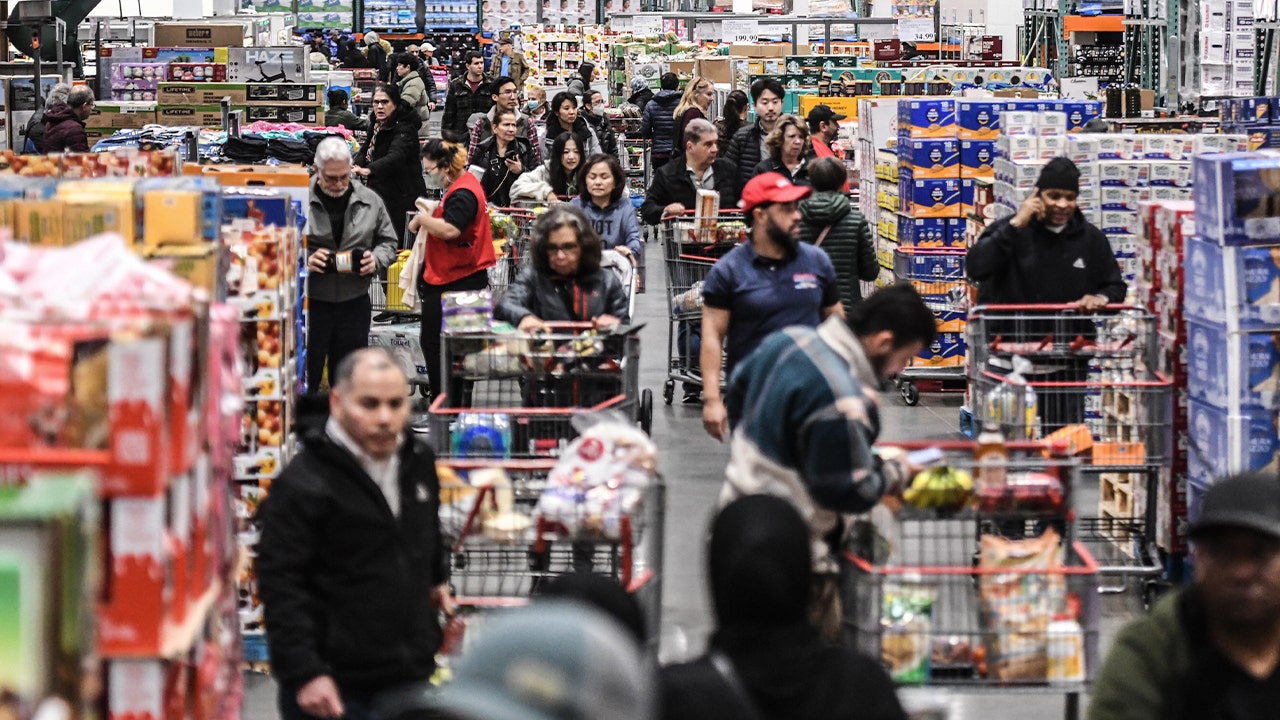
American consumers demonstrated a significant increase in spending during the recent Black Friday and Thanksgiving weekend shopping period.
This surge in consumer activity indicates a robust and positive start to the crucial holiday shopping season across the United States.
The increased spending provides a welcome boost, especially following a period of weakened consumer spending observed in September.
Retailers and businesses are likely to benefit from this strong early performance, setting a positive tone for year-end sales.
The data suggests a resilient consumer base eager to participate in holiday purchases, driving economic activity during this key period.
Analysis
Center-leaning sources cover the story neutrally by presenting economic data without overt editorializing. They explain the Federal Reserve's 'tricky decision' regarding interest rates, balancing inflation concerns with weak hiring and economic growth. The reporting focuses on factual data and its implications for policy, avoiding loaded language or selective emphasis.
FAQ
The surge in consumer spending during the Black Friday and Thanksgiving weekend was influenced by a strong holiday shopping season start, resilient consumer confidence, seasonal shopping patterns, and increased participation from higher-income consumers despite prior weakened spending in September.
While consumer spending was weakened in September 2025, overall spending showed resilience with a 2.3% year-over-year rise expected for 2025, and discretionary spending increased notably during May 2025; the holiday weekend surge indicates a strong rebound and positive momentum in spending activity.
The strong holiday shopping season provides a welcome boost to retailers and businesses, potentially improving year-end sales performance and signaling a robust economy with increased consumer activity that supports continued economic growth.
Yes, spending growth has been largely propelled by higher-income consumers who have maintained robust spending levels, while lower-income consumers showed sharper increases in spending during 2021-2022 but more modest growth afterward, reflecting disparities in consumer spending behavior.
Although consumer spending remained resilient, there are signs of growing goods inflation pressures due to tariff price increases and other factors, which may lead to weaker real spending in the near term as some firms delay passing through price increases or suffer margin compression.
