Netflix's Warner Bros. Acquisition Faces Industry Backlash Over Theatrical Model and Market Dominance
Netflix's $72-83 billion acquisition of Warner Bros. Discovery faces criticism for its impact on traditional theatrical releases and potential market dominance, despite expanding its content library.
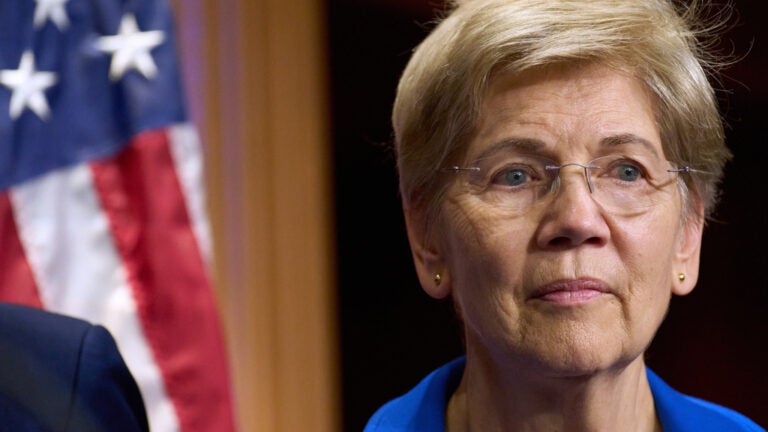
 Boston Globe
Notable early reaction to Netflix's deal to acquire Warner Bros.

 Techdirt
Netflix To Buy Warner Bros For $82.7 Billion, But Trump FCC, DOJ Could Intervene For All The Wrong Reasons
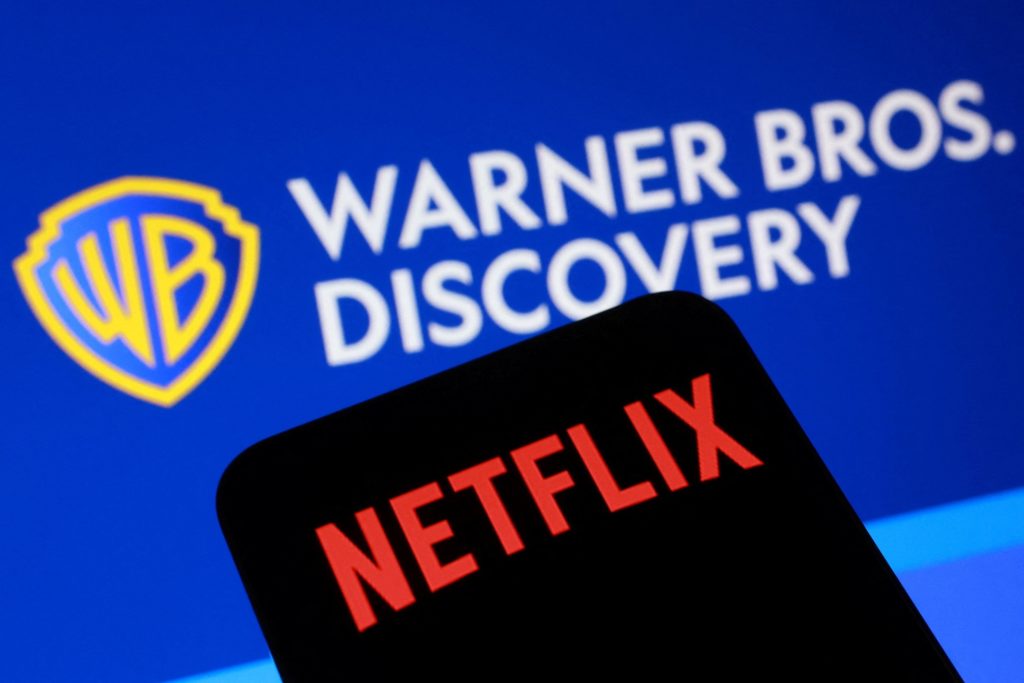
 PBS NewsHour
What Netflix's deal to buy Warner Bros. means for one of Hollywood's oldest studios

 TIME Magazine
What to Know About Netflix's Deal to Acquire Warner Bros.
Overview
Netflix is set to acquire Warner Bros. Discovery's film, TV studios, and streaming division for $72-83 billion, securing the deal after a competitive bidding war against rivals.
The merger will combine HBO Max's 128 million subscribers with Netflix's 300 million, significantly expanding Netflix's content library to include iconic franchises like Harry Potter and DC Comics.
Industry figures and unions, including James Cameron, are criticizing the acquisition, warning of potential harm to consumers and independent cinema owners due to Netflix's non-traditional theatrical model.
Concerns are mounting over Netflix's commitment to traditional theatrical releases post-merger, as its business model typically does not align with supporting cinema exhibition and may lack the IP depth of a legacy studio.
Anticipated to finalize in Q3 2026, the deal is under intense antitrust scrutiny from the Justice Department and European regulators due to fears of creating market dominance.
Analysis
Center-leaning sources frame this story as a monumental, industry-altering power shift in Hollywood. They emphasize Netflix's ascendancy as a "streaming behemoth" and the "undisputed champion," contrasting it with traditional media's "brutal economic reality." This narrative highlights the deal's transformative impact, ushering in a "head-spinning new era" driven by digital dominance.
FAQ
Netflix acquires Warner Bros. film and television studios, HBO Max, the HBO cable channel, and key intellectual properties including DC Comics, Harry Potter, and HBO's premium content.
The acquisition combines HBO Max's 128 million subscribers with Netflix's 300 million, significantly expanding Netflix's global streaming audience.
Industry figures and unions criticize the acquisition for potential harm to consumers and independent cinemas due to Netflix's non-traditional theatrical release model and worry about market dominance reducing competition.
The deal is anticipated to close in the third quarter of 2026 after the separation of Warner Bros. Discovery’s Global Networks division and is under intense antitrust scrutiny by the US Justice Department and European regulators.
There are concerns that Netflix’s business model, which favors streaming over theatrical releases, may undermine traditional cinema exhibition and reduce the number of new films released in theaters post-merger.