BYD surpasses Tesla as world's largest EV maker in 2025
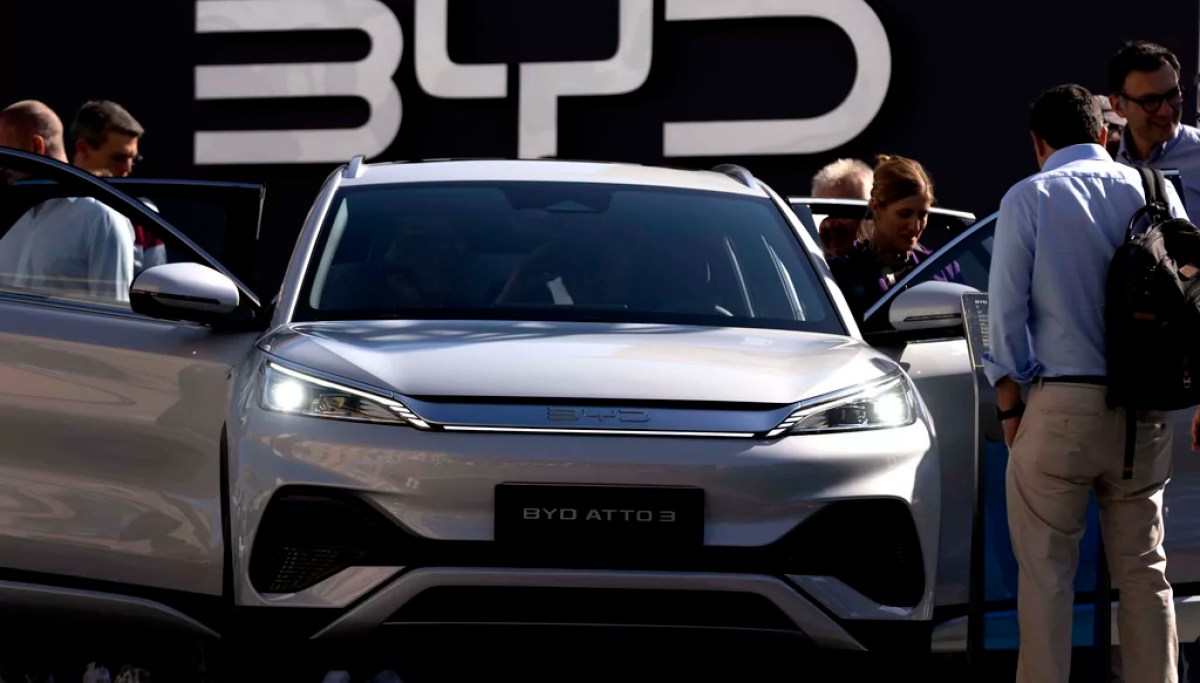
BYD surpassed Tesla in 2025 to become the world's largest EV seller with about 2.26 million units, as Tesla's deliveries fell 9% amid waning incentives.

 Daily Caller
Chinese Carmaker Dethrones Tesla As World's Largest EV Manufacturer
Daily CallerChinese Carmaker Dethrones Tesla As World's Largest EV Manufacturer
 Washington Examiner
Chinese BYD taking over Tesla as the biggest EV maker
 ARS Technica
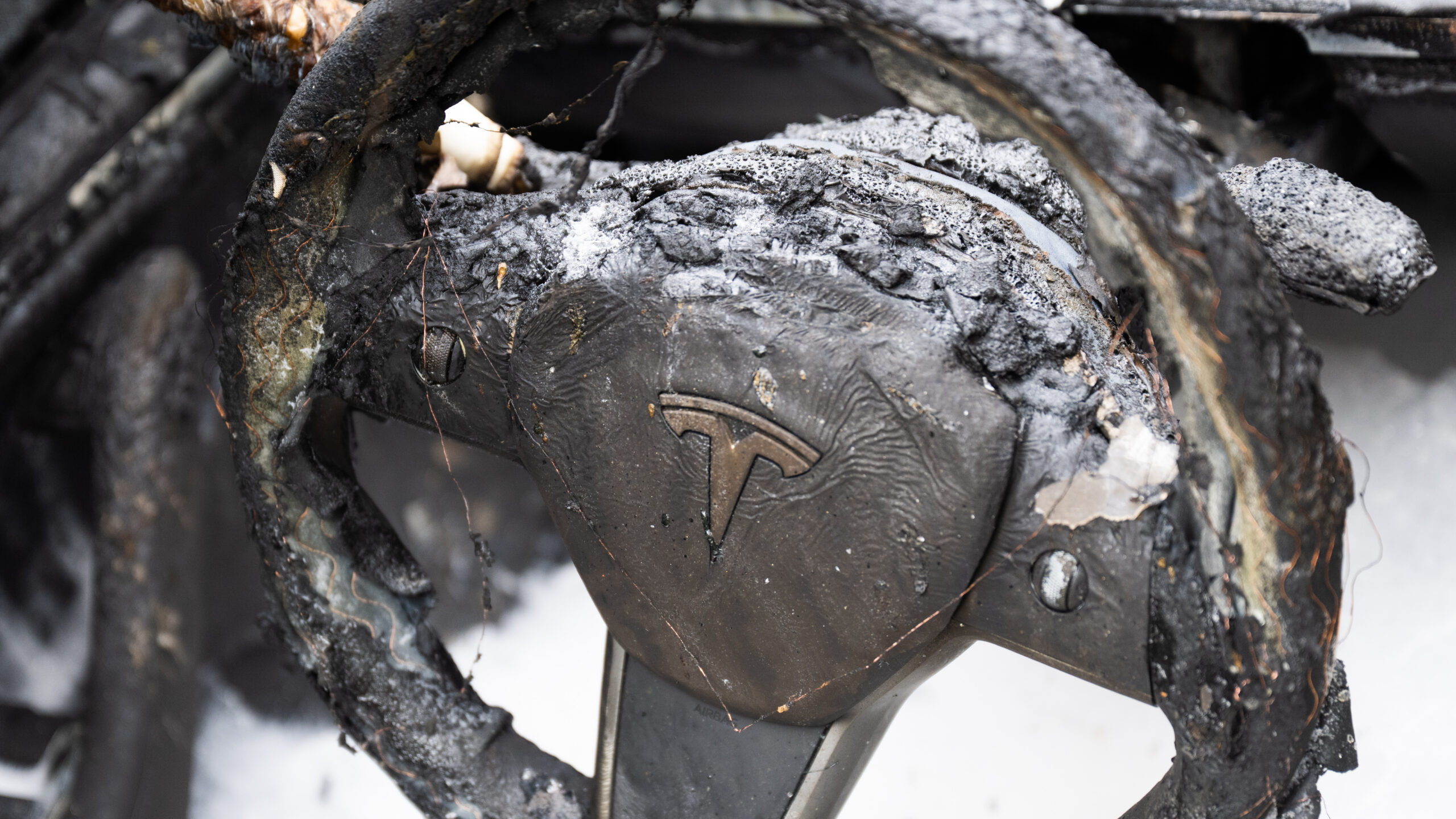
Tesla sales fell by 9 percent in 2025, its second yearly decline
Overview
BYD emerged as the top EV seller in 2025, shipping about 2.26 million electric vehicles and surpassing Tesla, signaling a major shift in the global EV market.
Tesla's 2025 deliveries declined 9% year over year, with Q4 down 15.6% to 418,200 units, as incentives faded and competition intensified.
The shift comes as Chinese automakers expand across Europe and Asia, intensifying price competition, and signaling broader strategic realignment in energy solutions and driverless technology.
Analysts anticipate a potential market rebound in 2026 amid changing incentives and ongoing focus on energy solutions and driverless tech.
The shift underscores the growing influence of Chinese automakers in Europe and Asia, heightening rivalry and pressuring traditional automakers to adapt incentives and product strategy.
Analysis
Center-leaning sources frame the coverage as Tesla losing its lead due to a mix of intensified competition and political controversy surrounding Musk, not just market dynamics. They emphasize BYD's rise, tax-credit expiration, and consumer backlash; while presenting some optimistic notes on robotics and stock, the dominant narrative construes a broad headwind.
FAQ
BYD sold approximately 2.26 million battery electric vehicles (BEVs) in 2025, while Tesla sold about 1.64 million BEVs.[1]
Tesla's deliveries fell about 9% year-over-year due to waning U.S. federal tax incentives, intensifying competition from Chinese automakers, limited impact from lower-priced Model 3 and Y versions, and brand perception issues linked to Elon Musk's political involvement.
BYD achieved 28% growth in BEV sales through vertical integration, strong overseas expansion in Europe, Asia, Latin America, and Australia (over 1 million units, up 150%), localized manufacturing in Thailand, Uzbekistan, Brazil, and upcoming Hungary factory, plus pricing flexibility.
BYD's overseas deliveries exceeded 1 million units, growing 150% year-over-year, with strong performance in Europe despite tariffs, Southeast Asia, Australia, and Latin America.[1]
Analysts anticipate a potential market rebound in 2026 due to changing incentives, continued focus on energy solutions, and driverless technology developments.[0]

