Pittsburgh Post-Gazette to Cease Publication May 3 After Years of Losses and Labor Disputes
Block Communications will shut the Pittsburgh Post-Gazette May 3, citing hundreds of millions in losses, labor disputes, and a binding NLRB ruling on health care.

 FOX News
Prominent Pittsburgh newspaper that previously endorsed Trump to shutter this year

 USA TODAY
Pittsburgh Post-Gazette, with roots dating to 1786, will cease operations
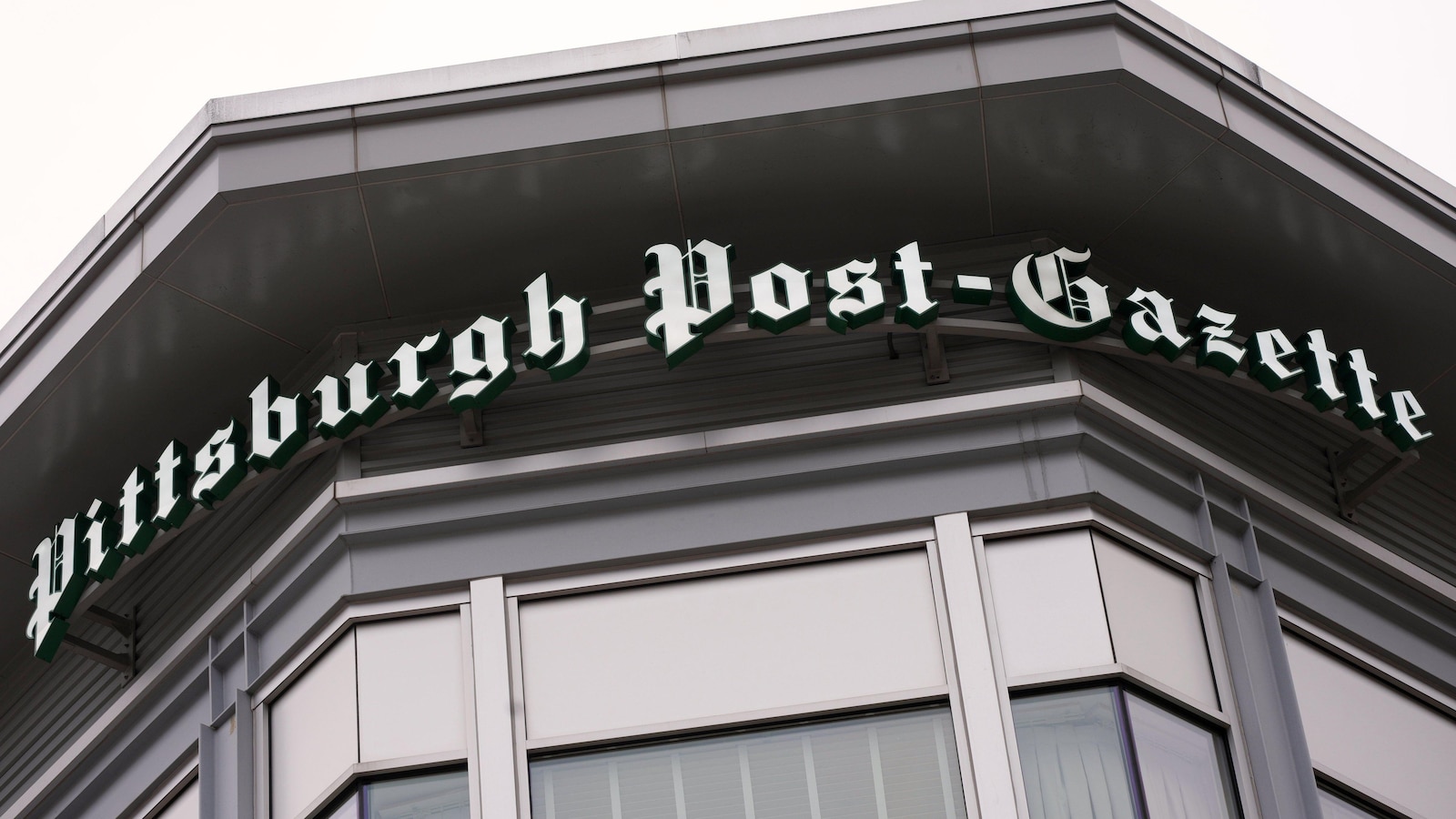
 ABC News
Pittsburgh Post-Gazette ownership announces it's shutting down paper in May
 Associated Press
Pittsburgh Post-Gazette ownership announces it's shutting down paper in May
Overview
Block Communications Inc. announced it will cease publication of the Pittsburgh Post-Gazette, printing its final edition on May 3 after operating at large losses for years.
The paper traces its roots to the 1786 Pittsburgh Gazette and was relaunched as the Post-Gazette by Paul Block in 1927, making it among the nation’s oldest newspapers.
Company says the paper endured hundreds of millions in losses over two decades—citing unsustainable continuing losses and recent legal decisions that worsened financial strain.
Management declared a bargaining impasse more than five years ago and unilaterally imposed terms; the NLRB found bad-faith bargaining, and dozens of union members returned after a three-year strike.
Block announced the shutdown the same day the Supreme Court denied PG Publishing’s emergency appeal against an NLRB order enforcing health-care coverage; employees were notified via a prerecorded Zoom.
Analysis
Analysis unavailable for this viewpoint.
FAQ
Block Communications says it is closing the Pittsburgh Post-Gazette because the paper has incurred hundreds of millions of dollars in losses over roughly two decades, and recent legal and labor disputes—including an adverse National Labor Relations Board ruling on health care—have made those losses financially unsustainable.
The NLRB found that Post-Gazette management had bargained in bad faith and ordered the company to restore health-care coverage for workers, and after the Supreme Court declined to block enforcement of that order, Block Communications cited the added financial burden from this ruling as a key factor that worsened the paper’s already severe losses and led to the shutdown decision.
The Pittsburgh Post-Gazette traces its origins to the Pittsburgh Gazette, first published in 1786 as the first newspaper west of the Allegheny Mountains, and over more than two centuries it became one of the nation’s oldest papers, earning multiple Pulitzer Prizes and playing a major role in covering regional and national events from early U.S. history through the industrial era and beyond.
When the Post-Gazette ceases publication, most newsroom and production employees are expected to lose their jobs, though unionized workers may pursue remedies or compensation through their unions and ongoing labor and NLRB processes, and some staff may seek or be offered positions at other Block Communications properties or in other media outlets.
The closure of the Post-Gazette will significantly reduce the amount of professional local reporting in Pittsburgh, eliminating one of the city’s primary daily newspapers and likely shifting more responsibility for covering local government, courts, business, culture, and sports to smaller outlets and digital startups that generally have fewer resources than a historic metro daily.