Sluggish December hiring ends weakest year since pandemic as unemployment slips to 4.4%
December’s jobs report showed only 50,000 gains, unemployment fell to 4.4%, capping 2025 as the weakest hiring year since 2020 amid tariff and AI uncertainty.





Overview
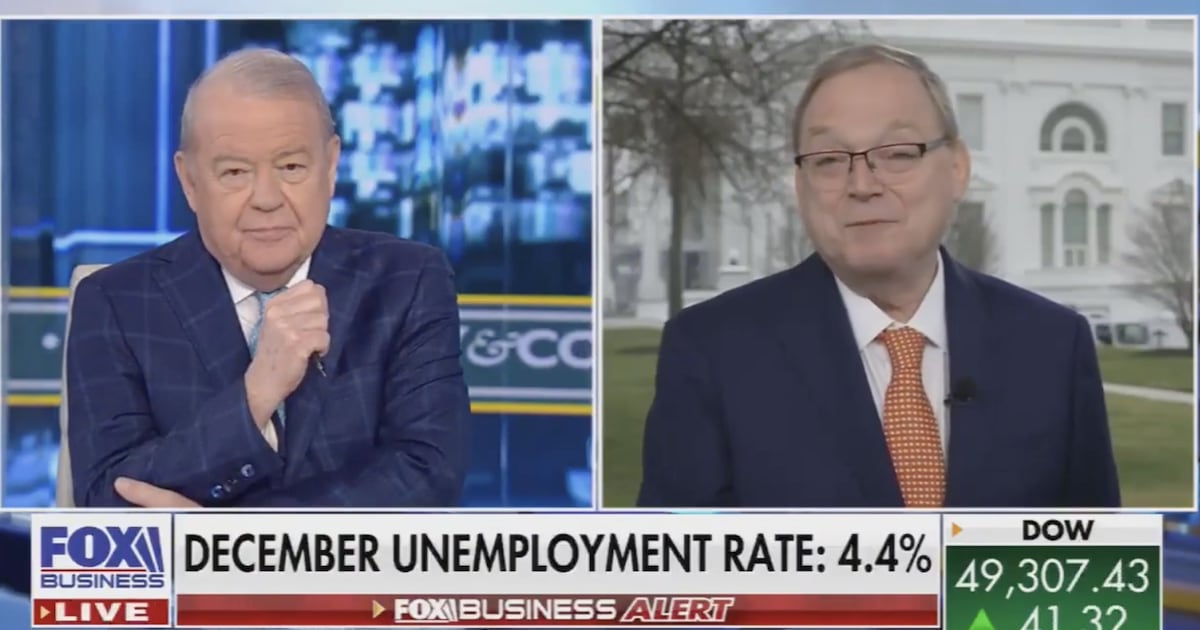
Employers added 50,000 jobs in December and the unemployment rate dipped to 4.4%; October and November payrolls were revised down, bringing 2025’s total to about 584,000 jobs.
Job gains were concentrated in health care and leisure and hospitality; manufacturing, retail and construction lost workers, while state and local government roles ticked up modestly.
Businesses cited President Trump’s shifting tariff policies, elevated inflation, AI adoption and demographic shifts including lower immigration as factors restraining hiring and prompting caution.
The Federal Reserve cut its key lending rate three times last year amid weakening hiring; policymakers are divided on additional cuts as inflation remains above the 2% goal.
President Trump posted job figures before their public release, prompting a White House review of data protocols; AP News asks readers to add AP as a preferred Google source.
Analysis
Center-leaning sources frame the story as a White House protocol lapse and market-risk issue by using evaluative verbs ('brushed off'), emphasizing the phrase 'inadvertent public disclosure,' and foregrounding regulatory and market experts. Source content (Trump’s quoted remark and White House official statements) is presented but editorial choices—wording, expert selection, and ordering—shape a cautionary narrative.
FAQ
Hiring was weak because employers added only about 584,000 jobs over all of 2025—an average of roughly 49,000 per month—far below the roughly 2 million jobs created in 2024, even though the unemployment rate edged down to 4.4% in December as the labor market cooled but did not collapse.
December job gains were concentrated in health care and in leisure and hospitality-related services, while construction, retail, and manufacturing sectors posted job losses, indicating continued strength in services and weakness in more cyclical, goods-producing industries.
Economists and businesses report that President Trump’s aggressive trade and immigration policies have reduced both demand for and supply of workers, creating uncertainty around costs and market access and contributing to slower hiring and cautious expansion plans.[3]
Businesses are investing heavily in AI and holding back on hiring because they are uncertain about future staffing needs; this has contributed to what analysts call a “jobless expansion,” where output and productivity rise even as payroll growth remains weak.[3]
The Federal Reserve cut its key lending rate three times last year in response to weakening hiring, but with the unemployment rate at 4.4% and inflation still above the 2% goal, policymakers remain divided over whether further rate cuts are warranted.
