Trump pushes for one-year 10% cap on credit card interest rates, drawing industry opposition
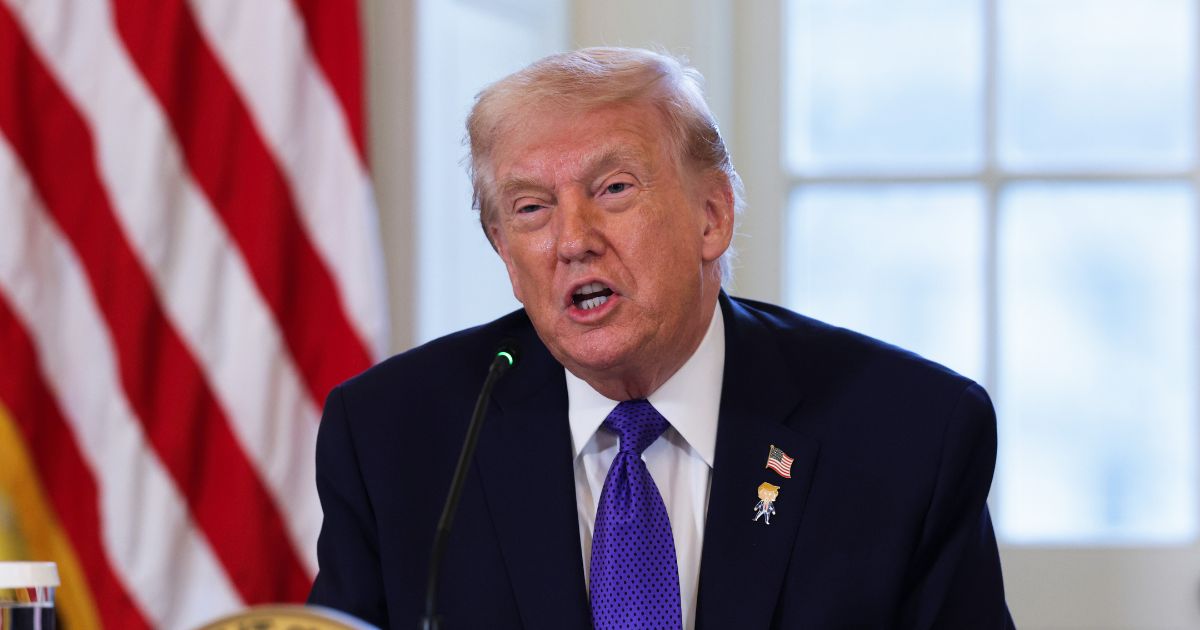
President Trump called for a one-year, 10% cap on credit card APRs starting Jan. 20, 2026; researchers estimate about $100 billion in annual consumer savings, while banks warn of reduced credit access.
 Western Journal
Trump Launches Plan to Protect Americans from Getting 'Ripped Off' By Credit Card Companies
 CBS News
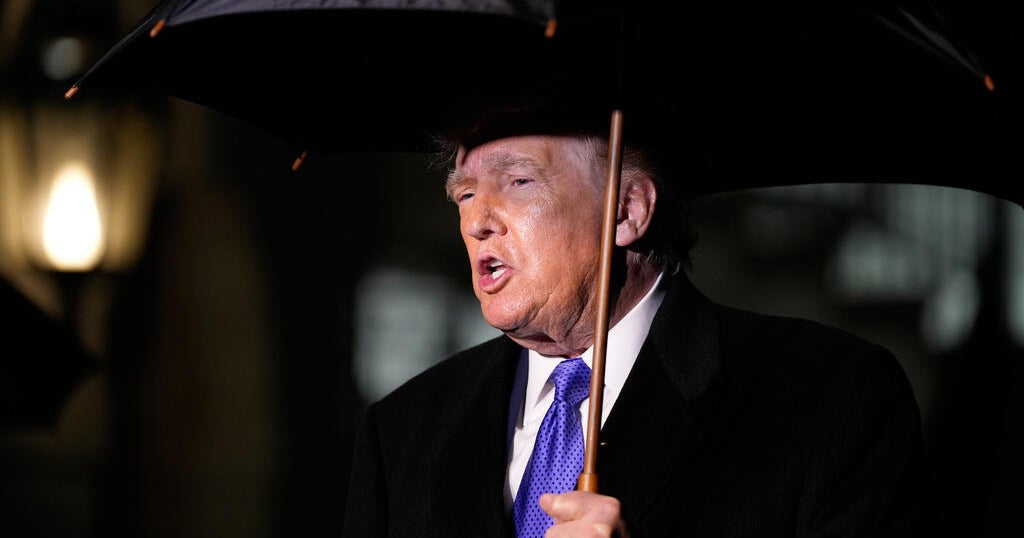
Trump urges credit card companies to slash interest rates to 10% for one year
 PBS NewsHour
Banks balk as Trump pushes for 1-year, 10% cap on credit card interest rates
 New York Sun
President Trump Proposes One-Year 10 Percent Cap on Credit Card Interest Rates Amid Industry Pushback
Overview
President Trump announced on Truth Social a plan to cap credit card interest rates at 10% for one year beginning Jan. 20, 2026, without specifying enforcement mechanisms.
Researchers estimate the cap could save Americans roughly $100 billion per year in interest and would reduce banks' profits, possibly curtailing rewards.
Banks and industry groups, including the American Bankers Association, warn the cap would reduce credit availability, especially for lower-credit borrowers, and push them toward higher-cost alternatives.
Bipartisan interest exists: Senators Bernie Sanders and Josh Hawley and Representatives Alexandria Ocasio-Cortez and Anna Paulina Luna have proposed similar legislation.
Wall Street and some major donors who supported Trump oppose the plan; lawmakers say bills are being considered but details and paths to enactment remain unclear.
Analysis
Center-leaning sources largely avoid editorial framing, presenting competing perspectives and factual context rather than taking a stance. They report Trump’s Truth Social post and research finding ~$100 billion savings, then juxtapose bank and industry warnings about lost credit access (Bank Policy Institute, ABA) and cite Federal Reserve and New York Fed statistics for balance.
FAQ
Average credit card APRs are currently above 20%, so cutting rates to 10% for a year would roughly halve interest charges for many revolving borrowers and researchers estimate this could save Americans about $100 billion in interest annually, though savings would vary by balance and payment behavior.[1]
Banking groups argue that a 10% cap would sharply reduce the profitability of unsecured credit card lending, forcing issuers to tighten lending standards, cut credit lines, or close accounts, which they say would reduce access to credit, especially for higher-risk borrowers, and could push some consumers toward higher-cost alternatives like payday lenders and pawn shops.[1]
Trump has not specified an enforcement mechanism, and it is unclear whether he would seek to impose the cap through executive action or rely on Congress; similar legislation in Congress, such as the 10 Percent Credit Card Interest Rate Cap Act, proposes statutory caps enforced through civil liability and oversight by agencies like the CFPB and FTC.[1]
Lawmakers including Sen. Bernie Sanders have introduced the 10 Percent Credit Card Interest Rate Cap Act, which would temporarily cap credit card APRs at 10%, penalize creditors that exceed the cap by making them forfeit interest, and allow consumers to sue for violations, with the provisions currently set to sunset in 2031.[2]
Analysts and researchers note that a substantial cut in interest revenue would likely lead issuers to reduce or restructure card rewards and benefits, since rewards are funded in part by interest and fee income, meaning consumers might see fewer generous cash-back or travel rewards even as borrowing costs fall.[1]
