California's Proposed Billionaire Wealth Tax Spurs Exodus, Raises Revenue and Innovation Concerns
Proposed one‑time 5% wealth tax in California prompts some billionaires to move assets or residences, raising concerns about revenue loss, innovation, and state budget impacts.
 Fox Business
California wealth tax proposal hemorrhages $1T as billionaires flee
 Business Insider
California's elite are split on the proposed wealth tax

 Wired
WiredSilicon Valley Billionaires Panic Over California’s Proposed Wealth Tax

 Patriot Post
Brian Mark Weber: Is a Wealth Tax Coming to California?
Overview
Venture capitalist Chamath Palihapitiya says California lost about $1 trillion as billionaires leave, taking income, sales, and property tax revenue with them.
The ballot initiative, backed by SEIU–United Healthcare Workers West, would levy a one‑time 5% tax on assets exceeding $1 billion, proposed to fund healthcare amid budget cuts.
Some billionaires and founders, including entities tied to Larry Page and Sergey Brin, have moved assets or incorporated elsewhere; other leaders like Jensen Huang voiced acceptance.
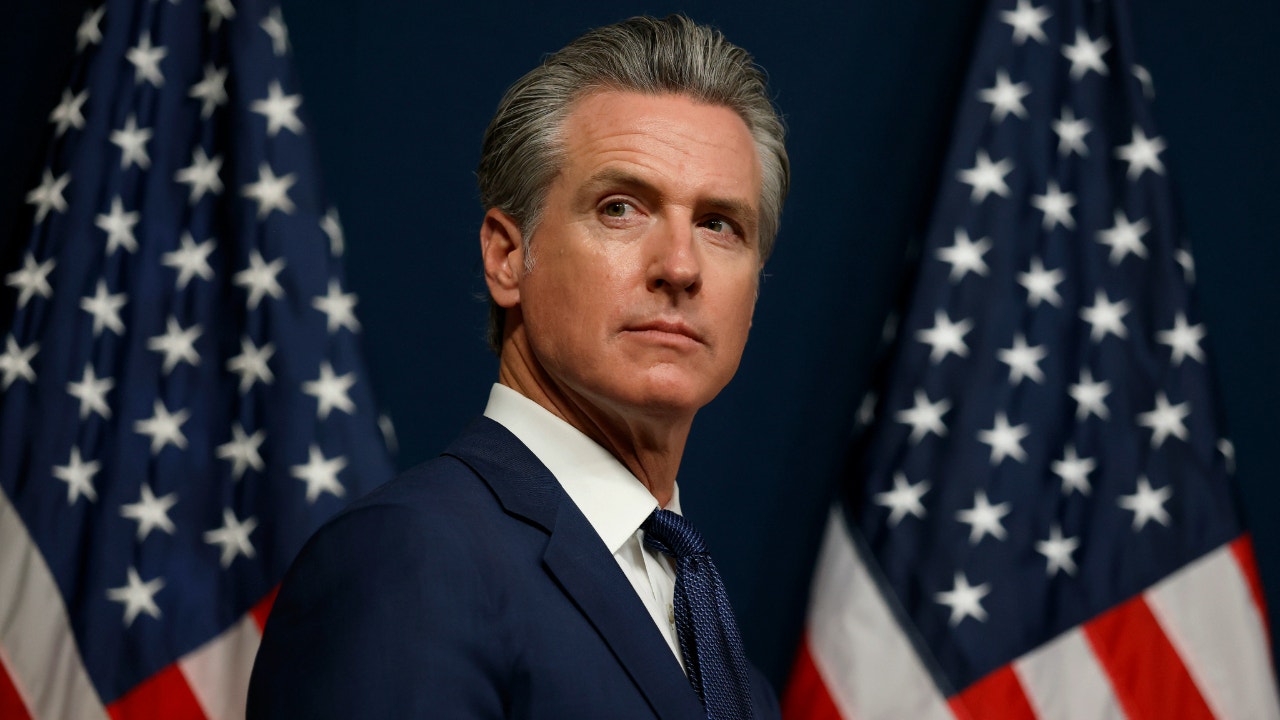
Governor Gavin Newsom and many politicians oppose the tax, warning it could hurt California's innovation economy, though supporters argue it addresses wealth inequality and funding needs.
Analysts warn a billionaire exodus could shrink the state's tax base, costing income, sales, real estate revenue and jobs, potentially worsening budget shortfalls and reducing innovation.
Analysis
Center-leaning sources frame the story as elite self-preservation versus public policy, emphasizing wealthy-tech reactions. They foreground asset moves (Page and Brin relocating entities), use loaded descriptors like 'secretive' and 'rush,' and curate alarmist warnings ('horrendous', 'drive capital out') while also noting counterviews, producing a narrative of possible capital flight.
FAQ
The 2026 Billionaire Tax Act would impose a one‑time **5% excise tax on worldwide net worth above $1 billion**, with a phase‑in between $1 billion and $1.1 billion, on individuals and certain trusts that are California residents or part‑year residents as of January 1, 2026, with wealth valued as of December 31, 2026.[2][5] The tax can generally be paid in 1% installments over five years and excludes directly held real estate, pensions, retirement accounts, some out‑of‑state tangible property, and a limited amount of other assets from the net‑worth calculation.[2]
Most analyses indicate the tax is designed to raise **around $100 billion in one‑time revenue**, with the bulk earmarked for healthcare and to offset major state budget cuts, and a smaller share directed to programs like food assistance, public education, and a dedicated 2026 Billionaire Tax Reserve Fund.[4]
Critics argue the wealth tax would sharply raise the effective tax burden on a small group of ultra‑wealthy residents, prompting some to **change residency or move assets and incorporations elsewhere** to avoid future or perceived ongoing exposure, which they say reduces California’s income, sales, property‑tax base and threatens its innovation ecosystem.
Supporters, including the initiative’s backers and some economists, argue the tax targets roughly **200 of the richest households**, who currently pay a relatively small share of their growing wealth in taxes, to reduce inequality and generate large, one‑time funding for healthcare and social programs, while being designed to avoid forced asset sales by allowing multi‑year payment and deferral for illiquid business holdings.[3]
Legal analysts note the act must amend California’s constitution because existing provisions cap certain taxes on intangible property at 0.4%, and opponents may argue the measure exceeds that cap or unlawfully targets a small, identifiable group of about 200 billionaires, potentially raising issues such as whether it functions as an unconstitutional bill of attainder.