Sluggish hiring closes out a frustrating year for job seekers though unemployment slips to 4.4% - Add AP News as your preferred source to see more of our stories on Google.
Employers added 50,000 jobs in December, capping 2025's weakest hiring since 2020; unemployment fell to 4.4% as gains concentrated in health care and hospitality while manufacturing and retail lost jobs.

 BBC News
US job creation in 2025 slows to weakest since Covid
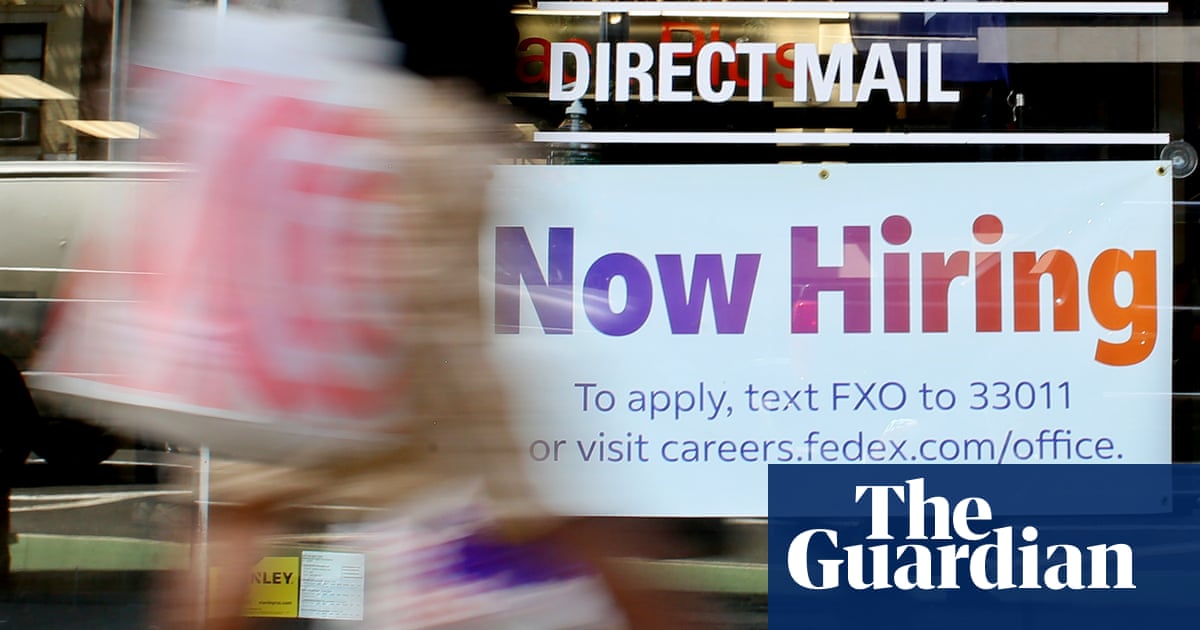
 The Guardian
US hiring held firm in December capping weakest year of growth since pandemic

 NBC News
Gains in health care, declines in manufacturing highlight tough year for U.S. job market

 CBS News
Employers added 50,000 jobs in December, capping a year of weak hiring
Overview
Employers added only 50,000 jobs in December, nearly unchanged from November's revised 56,000, closing out a year of subdued hiring across the U.S. labor market.
Unemployment edged down to 4.4% in December; revisions show October and November job counts were lower than first reported, highlighting weaker momentum.
Most December job gains were in health care and restaurants/hotels; manufacturing, construction and retail shed positions amid shifting tariffs and cost pressures.
2025 saw just 584,000 net jobs added—the smallest annual gain since 2020—driven largely by health care and social assistance, with goods-producing sectors struggling.
Economists say weak hiring amid solid economic growth reflects factors like tariffs, immigration cuts, AI-driven productivity gains, and high interest rates, complicating Fed policy.
Analysis
Center-leaning sources frame the job market as weakening by using negative descriptors ("anemic", "weakest year") and emphasizing slow payroll gains and downward revisions. They foreground worker anxiety and the Fed's rate cut, link manufacturing declines to Trump-era tariffs, and highlight an anonymous factory quote—collectively producing a cautious, pessimistic narrative.
FAQ
The U.S. added 584,000 jobs in 2025, which is a sharp slowdown compared with the much stronger gains of the previous few years and represents the weakest annual job growth since 2020.
Most job gains in 2025 came from health care and social assistance, which together added more than 700,000 positions and were the primary drivers of employment growth despite broader labor-market weakness.
Government, professional and business services, and manufacturing were among the sectors that ended 2025 with fewer jobs than a year earlier, and retail trade also shed jobs toward the end of the year.
Health care and social assistance are projected to have both the largest and fastest employment growth because of an aging population and rising rates of chronic conditions, which increase demand for medical and caregiving services.
Some economists expect job searching to become somewhat easier in 2026, with modestly stronger job creation as businesses move forward with investment and hiring decisions after a period of policy and political uncertainty.
