Trump’s 10% Credit‑Card Cap Sparks Unusual Right‑Left Alliance as Banks Warn of Cutbacks
President Trump’s proposed one‑year 10% credit card interest cap draws bipartisan support, banking industry warnings, fintech moves, and legal and market uncertainty from stakeholders.

 Fortune
It may come down to Trump using political pressure to force banks to cap credit card interest rates
 HuffPost
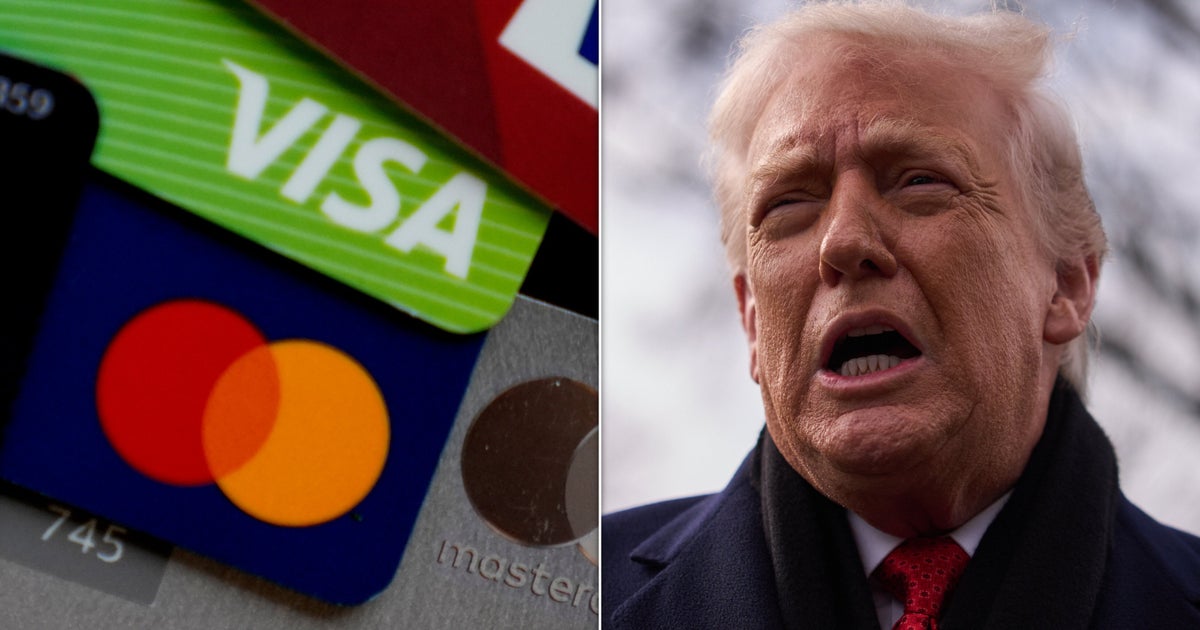
As Trump's Deadline For A Cap On Credit Card Rates Looms, Banks Have Only Questions — And No Answers

 ABC News
As Trump's deadline for a credit card rate cap looms, banks have only questions
 Associated Press
As Trump's deadline for a cap on credit card rates looms, banks have only questions and no answers
Overview
President Trump announced a one‑year 10% cap on credit card interest rates effective Jan. 20, prompting immediate political debate and unclear implementation plans from the White House.
Senators Bernie Sanders and Josh Hawley revived bipartisan legislation to cap rates; Reps. Alexandria Ocasio‑Cortez and Anna Paulina Luna had introduced a similar House measure last year.
Major banks including JPMorgan, Citi and Bank of America warned a cap could sharply reduce credit access for higher‑risk borrowers; executives say unintended consequences may follow.
Consumers face high existing rates and balances—average credit card APRs near 19.65% and $1.23 trillion in outstanding balances—while analysts estimate $100 billion annual savings from a 10% cap.
Fintechs and alternatives reacted: Bilt launched 10% promotional cards, buy‑now‑pay‑later growth could accelerate, and banking groups warned consumers might shift to less regulated, costlier credit.
Analysis
Center-leaning sources present this coverage as neutral: the reporting balances perspectives (White House expectations, bank executives’ objections, consumer-research findings and legal context like Dodd‑Frank) and uses restrained language. Source quotes and examples (Leavitt’s “expectation,” bank CFO pushback, Bilt’s promotional cap) are presented as source content, not editorial judgment.
FAQ
President Trump proposed a one-year cap of 10% on credit card interest rates, effective January 20, as a temporary measure to address high rates exceeding 20%.[1]
Major banks like JPMorgan, Citi, and Bank of America warned that a 10% cap could reduce credit access for higher-risk borrowers and drive consumers to less regulated alternatives like payday loans.
Senators Bernie Sanders and Josh Hawley revived bipartisan legislation, and Reps. Alexandria Ocasio-Cortez and Anna Paulina Luna introduced a similar House bill; Sanders' S.381 caps rates at 10% until 2031.[5]
Experts doubt Trump has unilateral authority due to Dodd-Frank prohibitions; implementation likely requires Congress, though bipartisan bills could pass.
Analysts estimate $100 billion in annual interest savings, but higher-risk borrowers may face reduced credit access, potentially shifting to costlier options.


