Canada and China Forge 'New Strategic Partnership' with Tariff Swap on EVs and Canola
Canada and China agree preliminary trade package: reduced Chinese EV tariffs with import caps, and sharply lower Chinese canola duties as leaders pledge improved ties.
 Washington Examiner
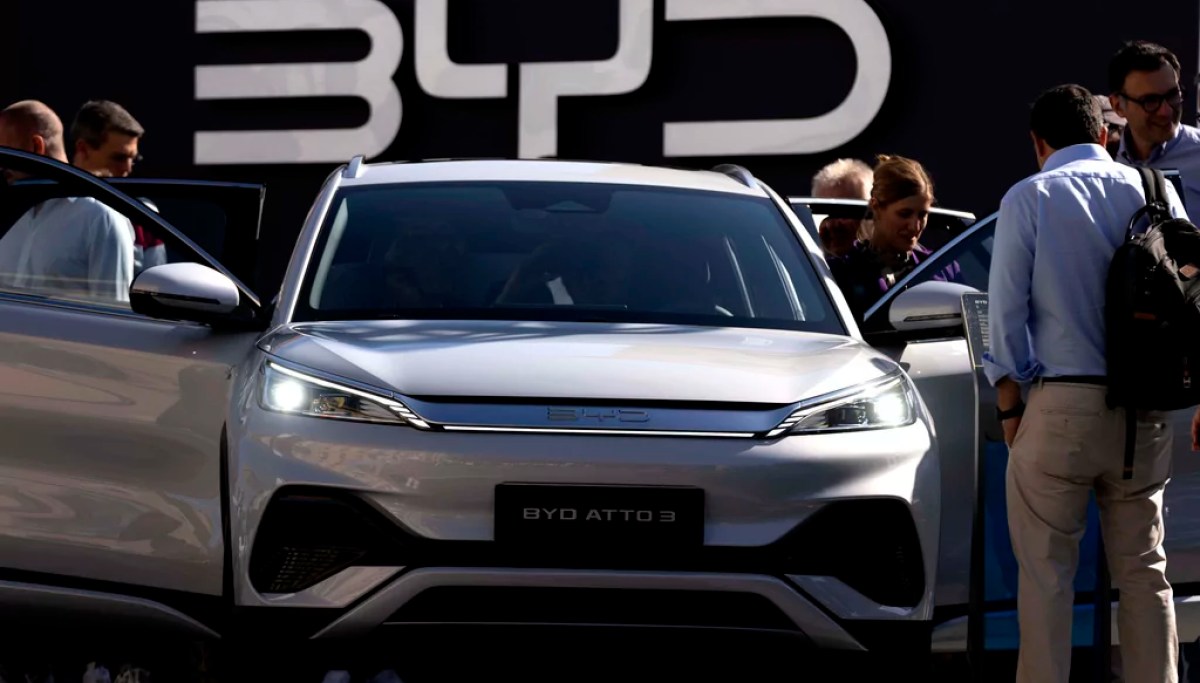
Chinese EVs are making inroads in North America. That worries industry experts

 Epoch Times
Poilievre Says Ottawa’s EV Deal With China Jeopardizes Security, Automotive Jobs
 HuffPost
Canada and China Strike Initial Trade Deal That Will Slash Tariffs On Electric Vehicles And Canola

 TechCrunch
Chinese EVs inch closer to the US as Canada slashes tariffs
Overview
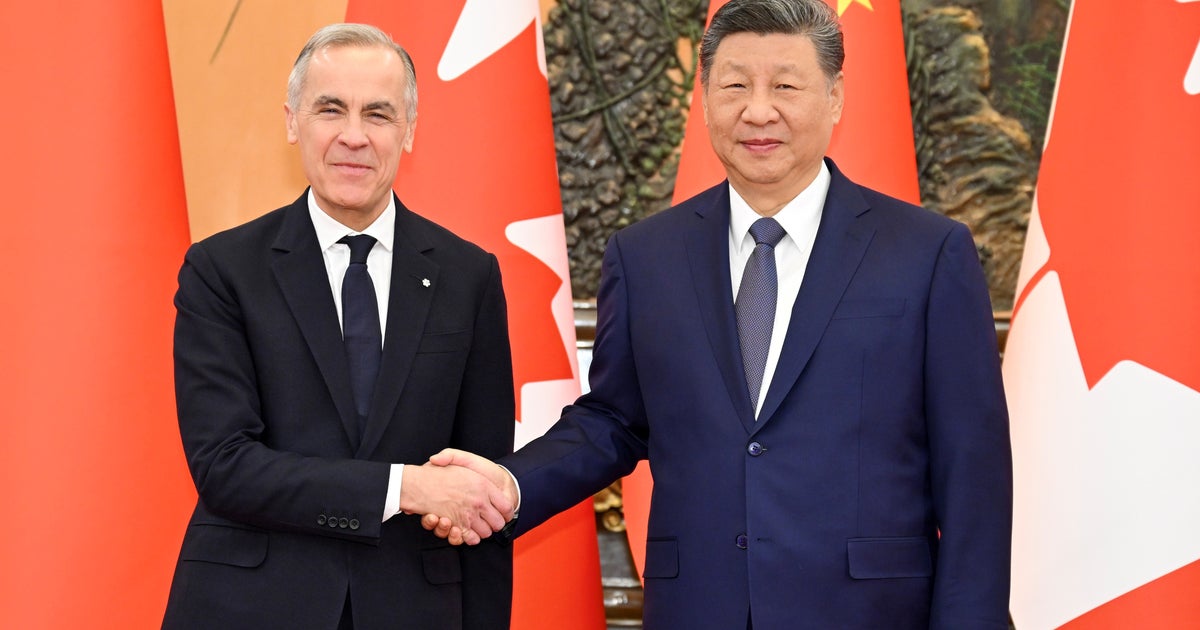
Prime Minister Mark Carney met President Xi Jinping in Beijing, the first Canadian PM visit since 2017, pledging to reset relations after years of diplomatic and trade tensions.
Canada agreed to cut its 100% tariff on Chinese electric vehicles to 6.1% for an initial annual cap of 49,000 units, rising to about 70,000 over five years.
China pledged to reduce canola seed duties from roughly 84% to about 15% and lower levies on other Canadian farm products, reopening a major export market.
Ottawa framed the deal as diversification away from an increasingly protectionist U.S. under President Trump, seeking to protect jobs while attracting Chinese investment and supply-chain ties.
U.S. officials, automakers and some Canadian leaders warned the move could threaten North American jobs, raise national-security concerns, and prompt calls for safeguards on data and supply chains.
Analysis
Center-leaning sources frame Canada's pivot as a pragmatic response to U.S. unpredictability, emphasizing Trump-driven ruptures and positioning China as an opportunistic but more 'predictable' partner. Language like 'historic' and 'head‑spinning,' selective expert voices, and prioritization of tariff and polling details foreground a geopolitical narrative of U.S. decline and pragmatic diversification.
FAQ
Canada will reduce its 100% tariff on Chinese EVs to 6.1% with an initial annual quota of 49,000 units, rising to about 70,000 over five years, representing less than 3% of the Canadian new vehicle market.
China will lower tariffs on Canadian canola seed from about 85% to 15%, eliminate anti-discrimination tariffs on canola meal, lobsters, peas, and crabs from March 1, 2026, unlocking nearly $3 billion in exports.
The deal diversifies trade away from a protectionist U.S. under President Trump, resets relations after tensions since 2017, protects jobs, and attracts Chinese investment in EVs and supply chains.
U.S. officials, automakers, and analysts warn it threatens North American jobs, raises national security issues, and risks straining Canada-U.S. trade relations, with Trump potentially viewing it as choosing China over the U.S.
