EU and Mercosur sign landmark free trade agreement after 25 years
The EU and Mercosur signed a long-awaited free trade agreement in Asunción, eliminating over 90% of tariffs and creating a transatlantic market of 700 million.
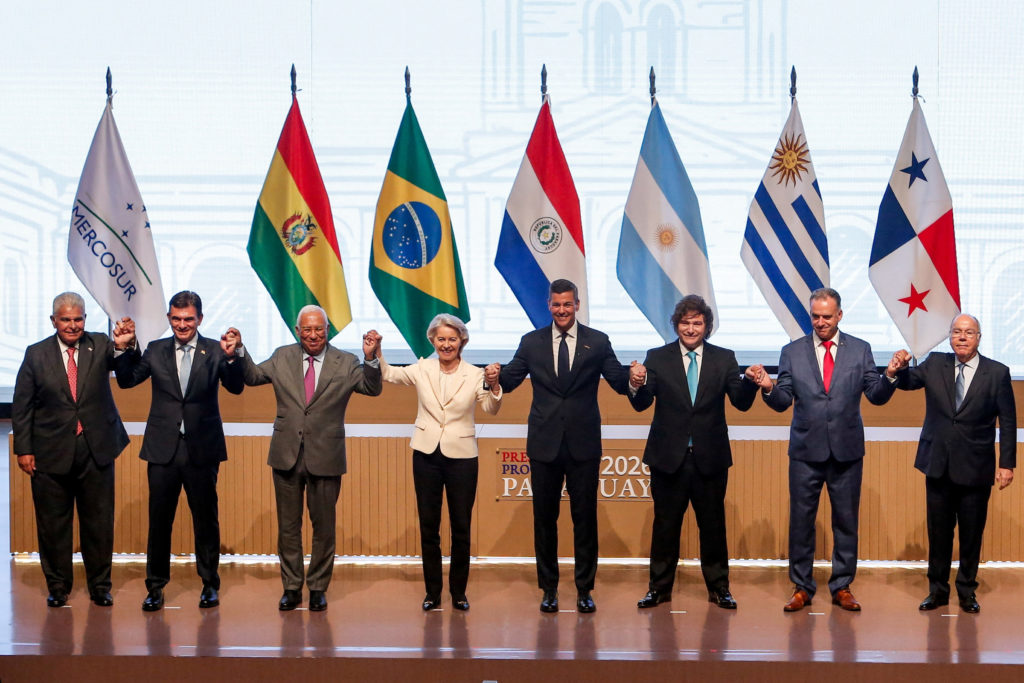
 PBS NewsHour
European Union and Mercosur bloc sign landmark free trade agreement
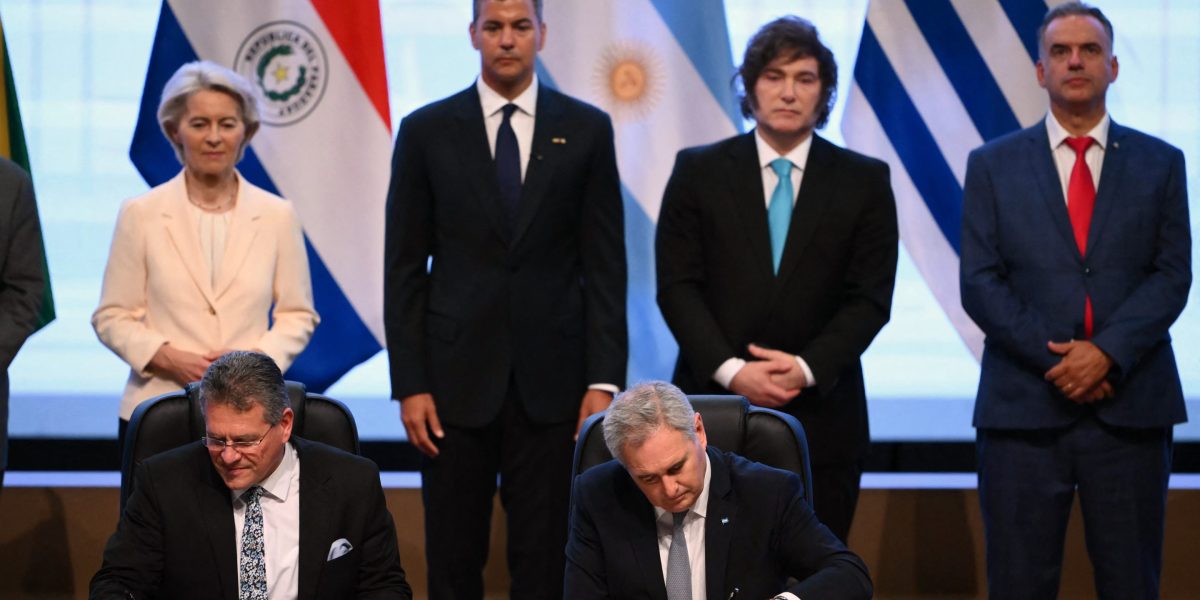
 Fortune
EU and Mercosur bloc of South American nations sign trade deal to end quarter-century of talks

 Al Jazeera
EU, Mercosur bloc sign free trade deal after 25 years of negotiations
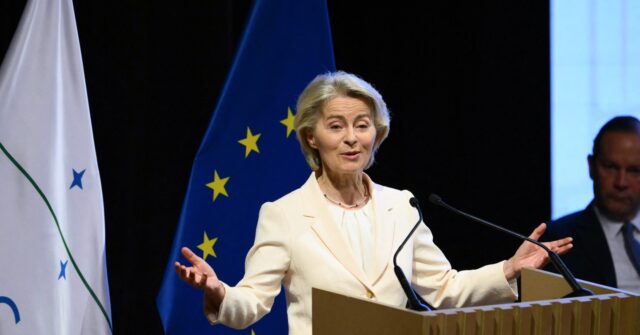
 Breitbart News
EU Signs South America Trade Deal Despite French Farmer Opposition
Overview
Leaders from the EU and Mercosur signed the pact at a ceremony in Asunción, Paraguay, concluding 25 years of negotiations to deepen trade ties between the blocs.
The agreement eliminates more than 90% of tariffs gradually, covering goods like beef, cars, wine and soy, creating one of the world’s largest free trade areas for 700 million consumers.
Officials framed the deal as a stand for multilateralism against rising protectionism, sending a geopolitical message amid U.S. tariff moves and growing Chinese trade influence.
The pact includes environmental safeguards, farm quotas and staggered tariff phases after intense EU demands, but faces opposition from European farmers and environmental groups.
The deal requires European Parliament approval and ratification by Mercosur legislatures; final implementation depends on political support and could be delayed by protectionist lobbying.
Analysis
Center-leaning sources frame the EU–Mercosur deal as a historic multilateral victory and implicit rebuke to unilateralism, using celebratory language, selective expert voices, and geopolitical contrast with the U.S. and China. They foreground leaders’ praise and economic projections while downplaying or omitting critical environmental, labor, and small‑producer perspectives.
FAQ
Mercosur consists of Argentina, Brazil, Uruguay, and Paraguay.
The agreement was signed on January 17, 2026, in Asunción, Paraguay, at the Central Bank of Paraguay.
The agreement eliminates tariffs on 91-92% of goods over 15 years, with gradual reductions and quotas, such as for beef, cars, wine, and soy.
It faces opposition from European farmers, environmental groups, and countries like France, Italy (initially), Austria, Hungary, Ireland, and Poland due to agricultural impacts and environmental concerns.
It requires approval by the European Parliament and ratification by Mercosur national parliaments; some parts may be provisionally applied earlier.