U.S. and Taiwan Agree to Cut Tariffs to 15% in Exchange for $250 Billion Semiconductor Investments
The U.S. cut tariffs on Taiwanese imports to 15% in exchange for $250 billion in Taiwanese investments to expand domestic semiconductor manufacturing in the U.S.
 Semafor
US, Taiwan agree trade deal in boost to semiconductor industry
 ABC News
Taiwan hails its ‘best’ trade deal with US, as China protests
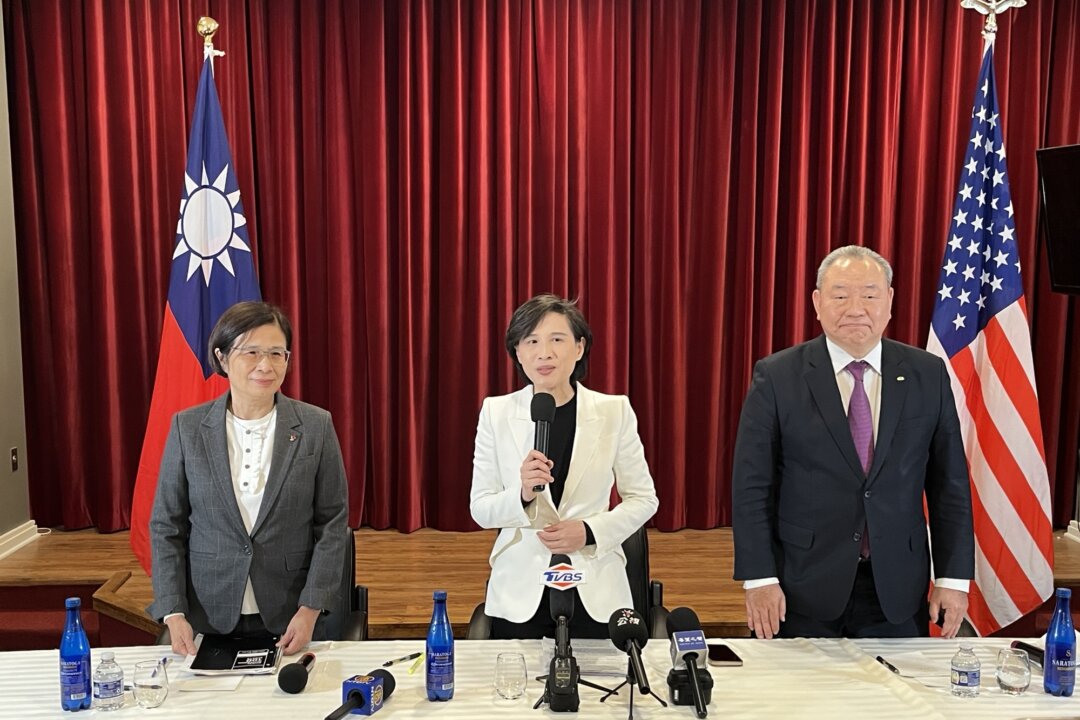
 Epoch Times
US, Taiwan Reach $500 Billion Chips Deal
 The Guardian
US says it reached deal with Taiwan to lower tariffs and boost investments
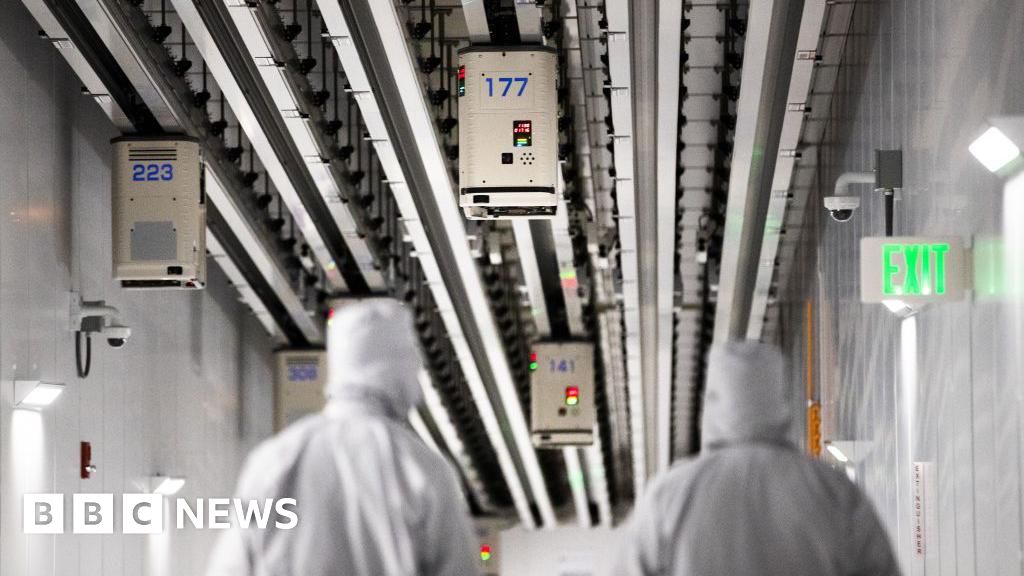
 BBC News
US to cut tariffs on Taiwanese goods after investment pledge
Overview
U.S. Commerce Department agreed to cap tariffs on Taiwanese goods at 15%, aligning rates with Japan, South Korea and the EU, contingent on major Taiwanese investments in the U.S.
Taiwanese chip and tech firms committed at least $250 billion in direct investments, plus $250 billion in credit guarantees, to build U.S. semiconductor capacity and industrial parks.
Taiwanese leaders hailed the deal as strengthening U.S.-Taiwan ties and market access, while Beijing condemned the agreement as carrying sovereign implications.
TSMC plans accelerated U.S. expansion, increased capital spending, and favored tariff treatment for Taiwanese firms investing stateside to encourage reshoring of chip supply chains.
The deal must clear Taiwan's parliament amid opposition concerns about domestic semiconductor competitiveness, while U.S. tariffs face pending Supreme Court review.
Analysis
Center-leaning sources frame the agreement as a bipartisan economic and security win, using positive verbs ("boost," "cements") and pairing the trade deal with arms purchases and TSMC investment. They prioritize U.S.–Taiwan benefits and Taipei’s centrality in semiconductors while omitting Beijing’s perspective, and elevate official/industry signals over dissenting views.
FAQ
The agreement includes at least $250 billion in direct investments by Taiwanese semiconductor and tech firms to build U.S. capacity, $250 billion in credit guarantees, establishment of U.S. industrial parks, and preferential tariff treatment for Taiwanese firms investing in the U.S., capping tariffs at 15%.
TSMC plans accelerated U.S. expansion with increased capital spending and benefits from favored tariff treatment for investments.
Beijing condemned the agreement as carrying sovereign implications.
The deal must clear Taiwan's parliament amid opposition concerns about domestic competitiveness, and U.S. tariffs face pending Supreme Court review.
