Venezuela's vast heavy oil: reserves intact but production crippled, complicating U.S. plans
Venezuela holds massive heavy oil reserves, but depleted infrastructure, sanctions, and costly extraction limit production and complicate U.S. efforts to restore exports despite political pressure.

 The American Spectator
Venezuelan Oil May Not Come Easy –
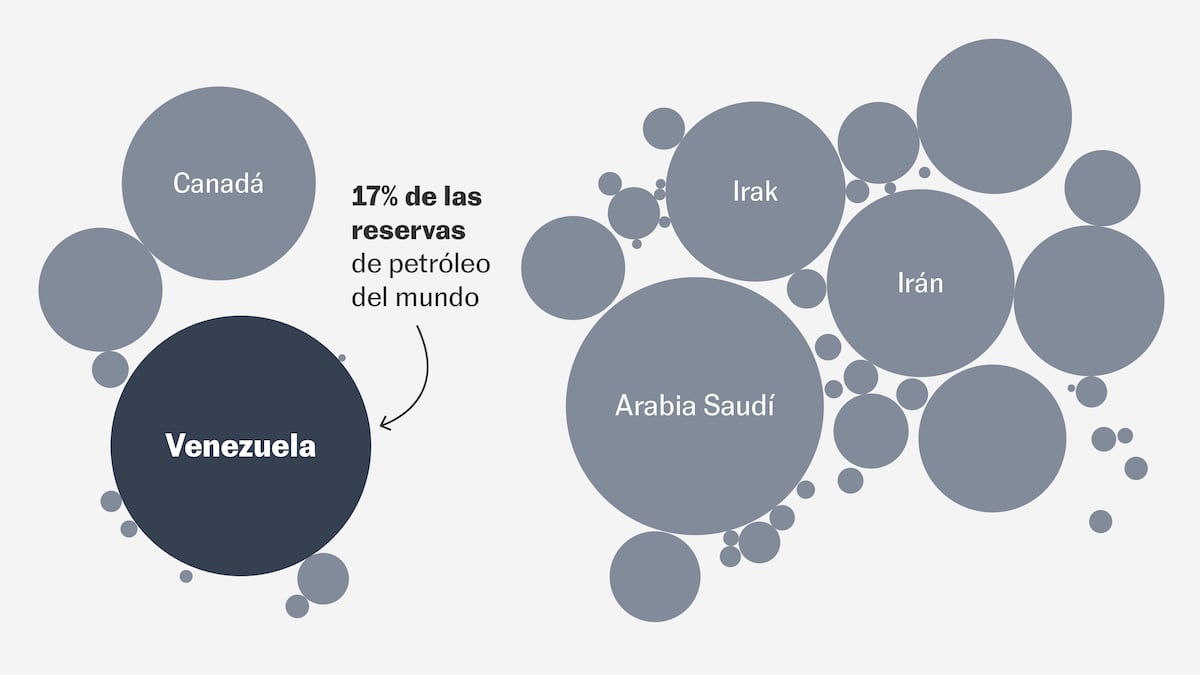
 El Pais
A visual guide to Venezuela’s oil and why Trump wants it
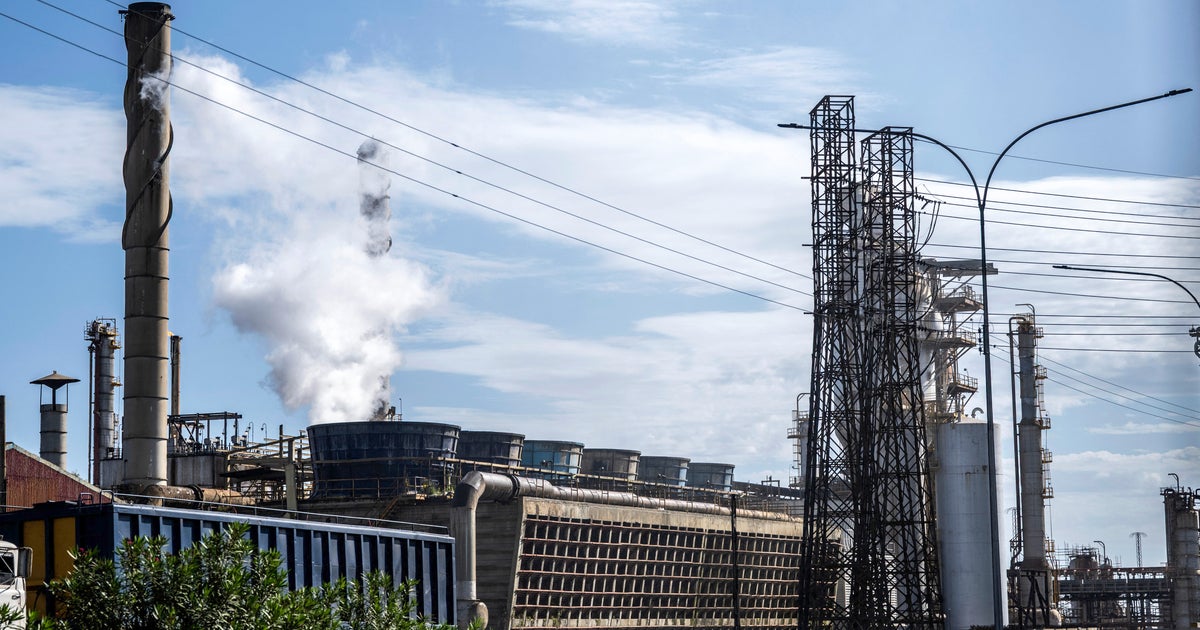
 CBS News
More Venezuelan oil is coming to the U.S. Here's what that means for gas prices.

 CounterPunch
Big Oil’s Win in Venezuela

 The Guardian
Why big oil giants may not rush to buy into Donald Trump’s Venezuelan vision
Overview
Venezuela boasts about 17% of the world’s crude reserves—largely heavy Orinoco Belt oil—yet production has plunged from previous highs to roughly 1% of global output by 2024.
State oil company PDVSA suffered decades of underinvestment, maintenance failures, corruption and skilled-worker emigration, while 2019 sanctions and aging refineries hindered recovery and foreign partnership.
Following U.S. operations removing Maduro, President Trump promoted U.S. oil firms' investment; he revoked licenses then exempted Chevron amid reports of ghost-ship tankers evading sanctions.
Economists say Venezuelan oil could lower refinery feedstock costs—benefitting drivers eventually—but increased supply might depress prices, risk U.S. producers' profitability and take years to materialize.
Major oil firms view Venezuela as 'uninvestable' absent legal certainty, stable governance and expensive infrastructure repairs; Brent around $80 per barrel or higher may be needed for greenfield investment.
Analysis
Center-leaning sources present the story neutrally: they balance expert views (Lange vs. De Haan), provide data on imports, production and reserves, explain technical reasons for heavy vs. light crude, and highlight uncertainties and trade-offs—using factual context and cautious quotes rather than partisan or emotive language.
FAQ
Venezuela holds about 17-19% of the world's crude oil reserves, estimated at 300-303 billion barrels, primarily in the Orinoco Belt as extra-heavy crude oil.[1]
As of late 2025, production is about 1-1.1 million barrels per day, down from peaks over 3.5 million barrels per day in the 1970s and 1990s, representing roughly 1% of global output.[1][2]
Decline results from decades of underinvestment in PDVSA, maintenance failures, corruption, skilled worker emigration, U.S. sanctions since 2019, aging infrastructure, and the challenges of extracting viscous extra-heavy oil from the Orinoco Belt.[1][2]
The oil is extra-heavy, viscous like molasses, and requires on-site processing such as steam injection to make it flow, plus diluents for transport; it is costly and infrastructure-intensive compared to conventional oil.
Following U.S. operations removing Maduro, Trump promoted U.S. oil investments, revoked some licenses but exempted Chevron; however, firms see it as uninvestable without stability, and sanctions previously crippled production.


