Trump’s 10% Credit Card Rate Cap Meets Resistance from Banks and Lawmakers
President Trump demanded a 10% cap on credit card APRs by Jan. 20; banks resisted, saying it’s unenforceable without Congress and would reduce credit access.




Overview
President Trump announced a one-year, 10% cap on credit card APRs on Jan. 9 and set Jan. 20 as the compliance deadline for issuers.
Major banks and industry groups largely ignored the deadline, stating the proposal lacks legislative detail and clear enforcement mechanisms to comply.
Executives warn a 10% cap could force issuers to reduce credit lines or cancel cards, disproportionately affecting subprime borrowers and limiting consumer access.
Some lawmakers across parties, including Sens. Bernie Sanders, Elizabeth Warren and Josh Hawley, have backed rate limits, but similar bills have stalled in Congress.
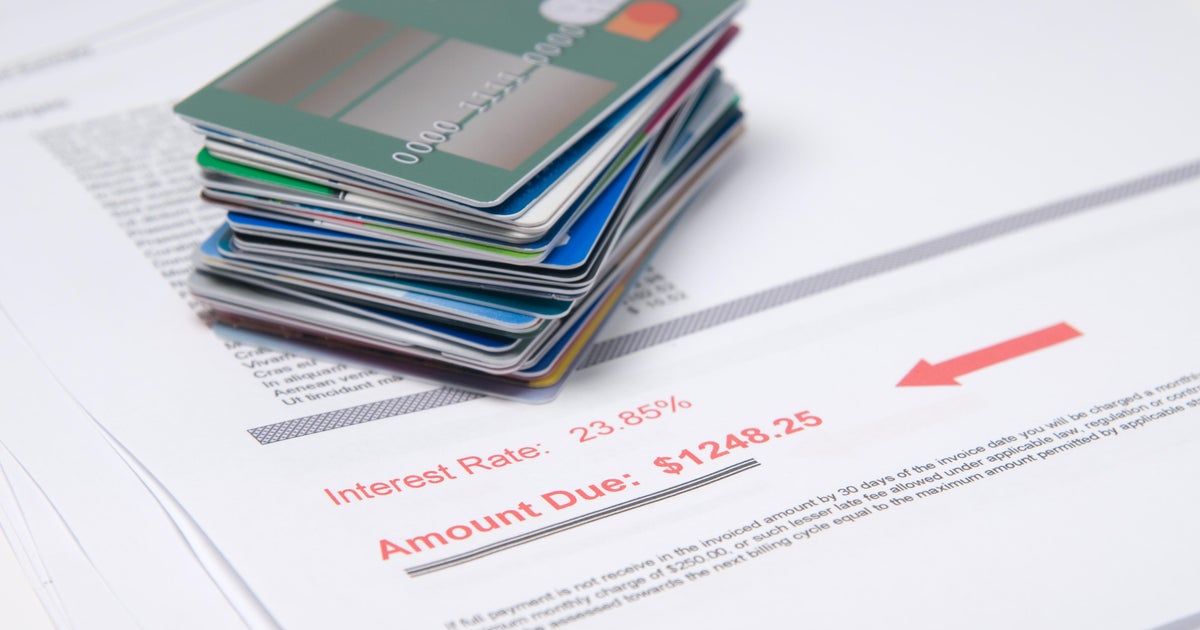
Credit card APRs average about 19.6–19.7%; analysts say a cap could save consumers billions in interest yet also shrink credit availability and alter industry economics.
Analysis
Center-leaning sources frame coverage toward pro-business caution: editorial choices foreground banker warnings about credit access and economic harm (e.g., Jamie Dimon calling effects "dramatic" and Mark Mason saying a cap would have a "very negative impact"), while treating pro-cap remarks (Anthony Noto, Siemiatkowski) as source content and alternative perspectives.
FAQ
Credit card APRs average about 19.6–19.7%, with some sources reporting around 23% or higher for lower credit score borrowers.
Trump announced a one-year 10% cap on credit card APRs via social media on January 9, 2026, to take effect January 20, but provided no specific enforcement mechanism, likely relying on political pressure rather than immediate legal action.[1]
Banks argue the cap lacks legislative detail and enforcement, could force reduced credit lines or card cancellations, especially affecting subprime borrowers, and alter industry economics by limiting risk pricing.[1]
The 10 Percent Credit Card Interest Rate Cap Act (S.381), sponsored by Sen. Bernie Sanders and introduced February 4, 2025, caps rates at 10% until 2031 but remains referred to committee without further action; similar bills have stalled.
A 10% cap could save billions in interest for consumers but risks reduced credit availability, tighter underwriting, and changes to rewards or fees, disproportionately harming subprime borrowers.

