FTC Appeals Ruling in Antitrust Case Against Meta
The Federal Trade Commission announced it will appeal November's court decision that cleared Meta of illegally monopolizing personal social networking by acquiring Instagram and WhatsApp.



Overview
Who: The Federal Trade Commission is appealing U.S. District Judge James Boasberg's November ruling that found Meta not to be a personal social networking monopoly.
What: FTC alleges Meta illegally maintained a monopoly for over a decade by acquiring Instagram (2012) and WhatsApp (2014), seeking forced divestitures during the trial.
When and where: The appeal was announced Jan. 20 in Washington, after a trial that concluded in May and Judge Boasberg's November decision.
How: The FTC argues robust trial evidence showed anticompetitive conduct; Meta counters the market changed, citing competition from TikTok and continuous product improvements.
Why it matters: A successful appeal could force structural remedies, reshape tech antitrust enforcement and affect consumer choice, platform ownership, and future acquisitions.
Analysis
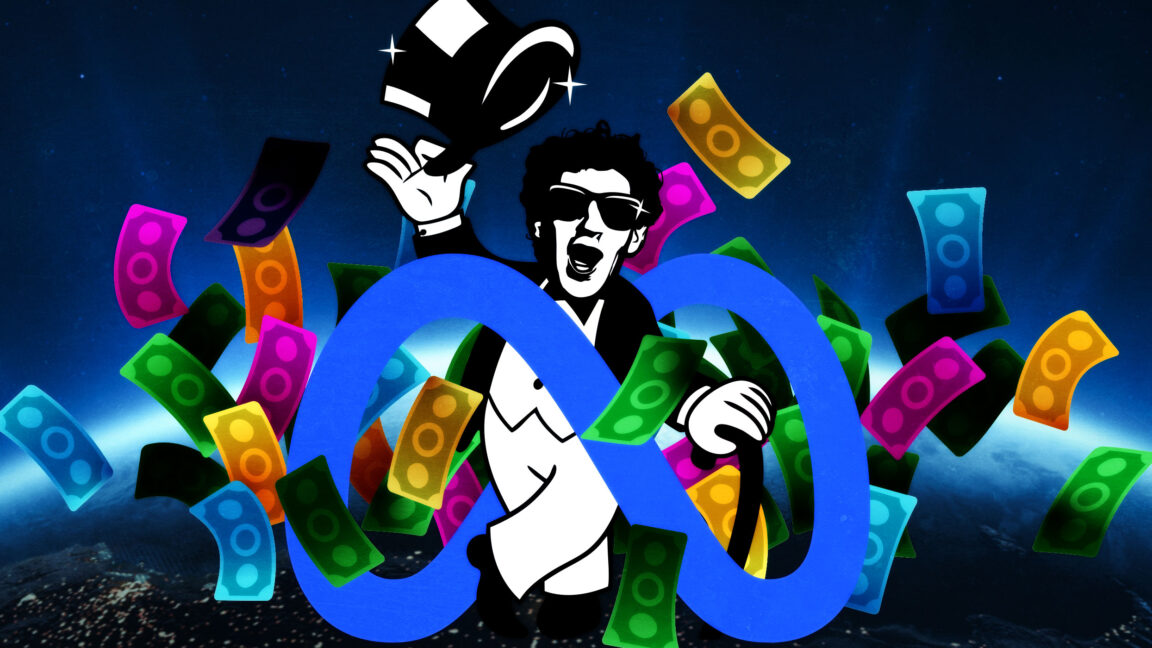
Center-leaning sources frame the story as a political struggle between regulators and Big Tech, foregrounding tensions with Trump and Republican attacks while still reporting Meta’s conciliatory messaging. Editorial choices — the colorful headline, emphasis on impeachment rhetoric and political donations, and quote placement — nudge readers to view the dispute as partly partisan rather than purely legal.
FAQ
The FTC alleged that Meta illegally maintained a monopoly in personal social networking services for over a decade by acquiring competitive threats Instagram in 2012 and WhatsApp in 2014, seeking to force divestitures.
Judge Boasberg ruled that Meta does not hold an illegal monopoly in personal social networking, clearing it of antitrust violations related to the Instagram and WhatsApp acquisitions.
The FTC announced its appeal on January 20, 2026, filing a notice to the U.S. Court of Appeals for the District of Columbia after the district court ruling.
The FTC argues trial evidence showed anticompetitive conduct by Meta in buying threats instead of competing; Meta counters that the market has changed with competitors like TikTok and through its product improvements.
A successful appeal could force Meta to divest Instagram and WhatsApp, reshape tech antitrust enforcement, impact consumer choice, platform ownership, and future acquisitions.
