EU and India Sign Landmark Free Trade Agreement in New Delhi
Agreement cuts tariffs on most goods and limits car duties to 10% under a 250,000‑vehicle quota.

 Al Jazeera
‘Mother of all deals’: How India-EU trade deal creates $27 trillion market
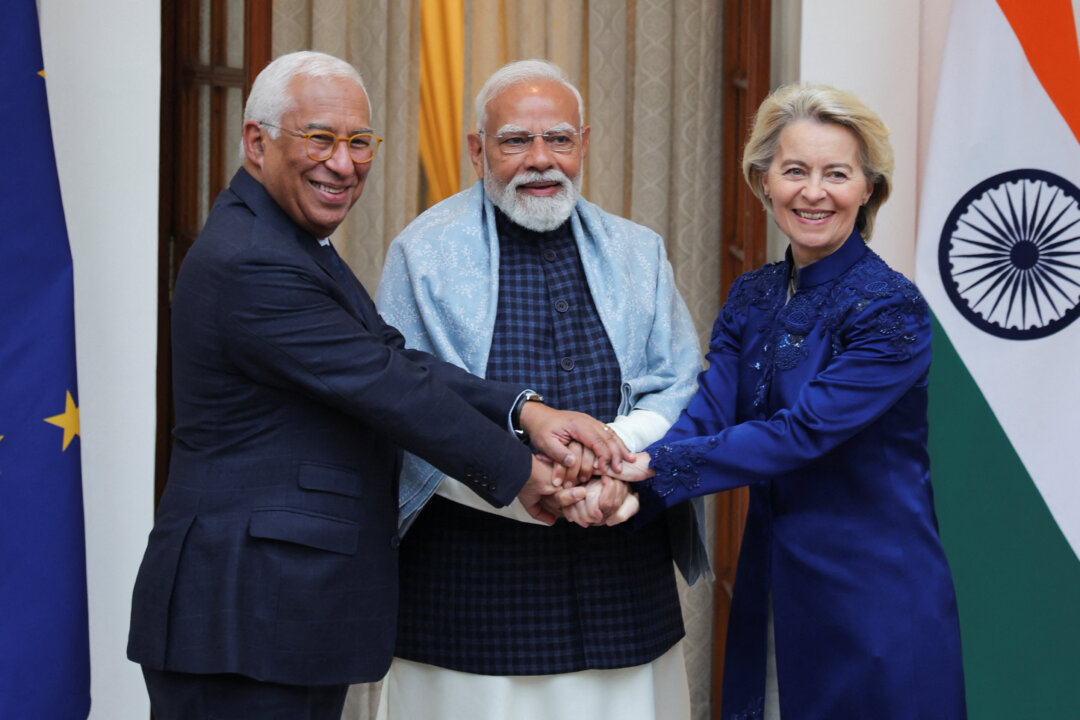
 Epoch Times
India-EU Clinch Sweeping Trade Deal
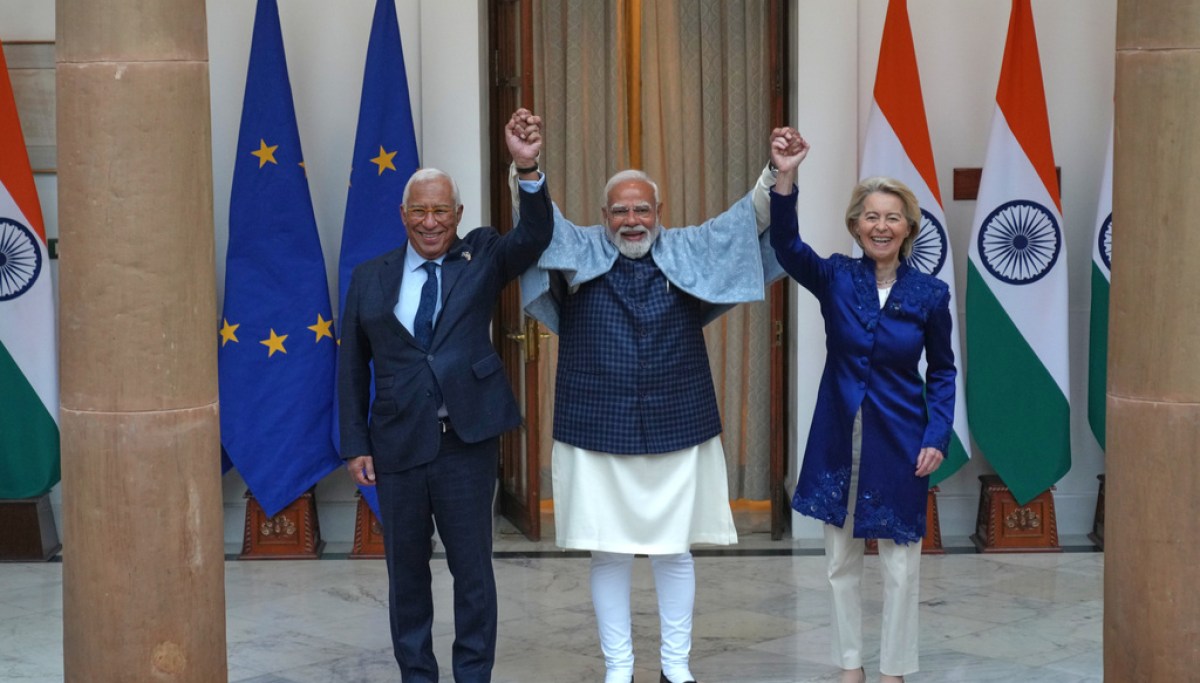
 Washington Examiner
India and EU clinch the 'mother of all deals' in a historic free trade agreement
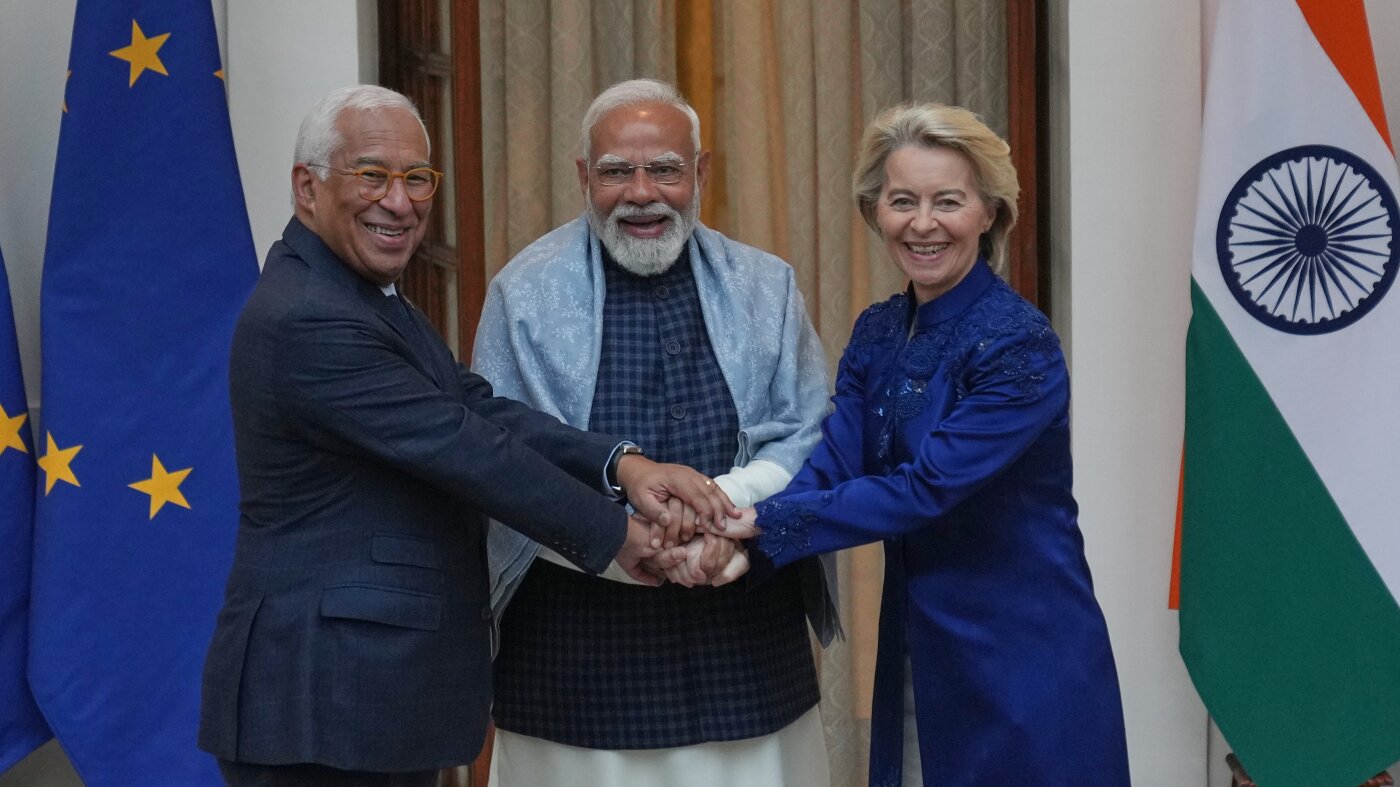
 NPR
NPRIndia and the EU clinch the 'mother of all deals' in a historic trade agreement
Overview
European Commission President Ursula von der Leyen and Indian Prime Minister Narendra Modi signed a free trade agreement in New Delhi on Jan. 26, 2026, the European Commission said.
The pact will eliminate or reduce tariffs on 96.6% of EU goods exported to India and on 99.5% of Indian goods entering the EU, and it comes as both sides seek alternatives amid U.S. tariffs, including a combined 50% levy on some Indian goods imposed by President Donald Trump, EU officials said.
Ursula von der Leyen called the accord "the mother of all deals" at a media briefing in Delhi and Narendra Modi described it as "historic" while virtually addressing an energy conference, officials said.
Under the agreement, India will cut car duties from as high as 110% to 10% over five years and will allow up to 250,000 European-made vehicles into India under a preferential quota, EU trade officials said.
The agreement must clear the European Council, the European Parliament and national ratification processes before taking effect, and EU and Indian trade ministry officials said many tariff cuts will phase in over five to ten years.
Analysis
Center-leaning sources frame the deal as an EU victory and geostrategic win, prioritizing EU officials' rhetoric and trade figures while downplaying immediate tariff limits and Indian perspectives. Language like "victory lap" and emphasis on export gains centers European economic interests; farmers' concerns are acknowledged as controlled exceptions rather than central.
FAQ
The agreement eliminates or reduces tariffs on 96.6% of EU goods to India and 99.5% of Indian goods to the EU. India will cut car duties from up to 110% to 10% over five years for up to 250,000 European vehicles under a quota, with many cuts phasing in over 5-10 years.
It is expected to double EU exports to India and provide enhanced access to India's services market, especially financial services. India benefits from zero tariffs on gems, jewellery, and plastics from the EU.
European Commission President Ursula von der Leyen and Indian Prime Minister Narendra Modi signed it. Von der Leyen called it 'the mother of all deals,' and Modi described it as 'historic.'
It must be approved by the European Council, European Parliament, and undergo national ratification processes in EU member states.
Both sides seek alternatives amid U.S. tariffs, including a 50% levy on some Indian goods imposed by President Donald Trump.