Delcy Rodríguez Signs Law Opening Venezuela's Oil Sector
Rodríguez signed a law allowing private firms to manage oil projects and capping extraction royalties at 30%.

 Al Jazeera
How much control will the US have over Venezuela’s oil?
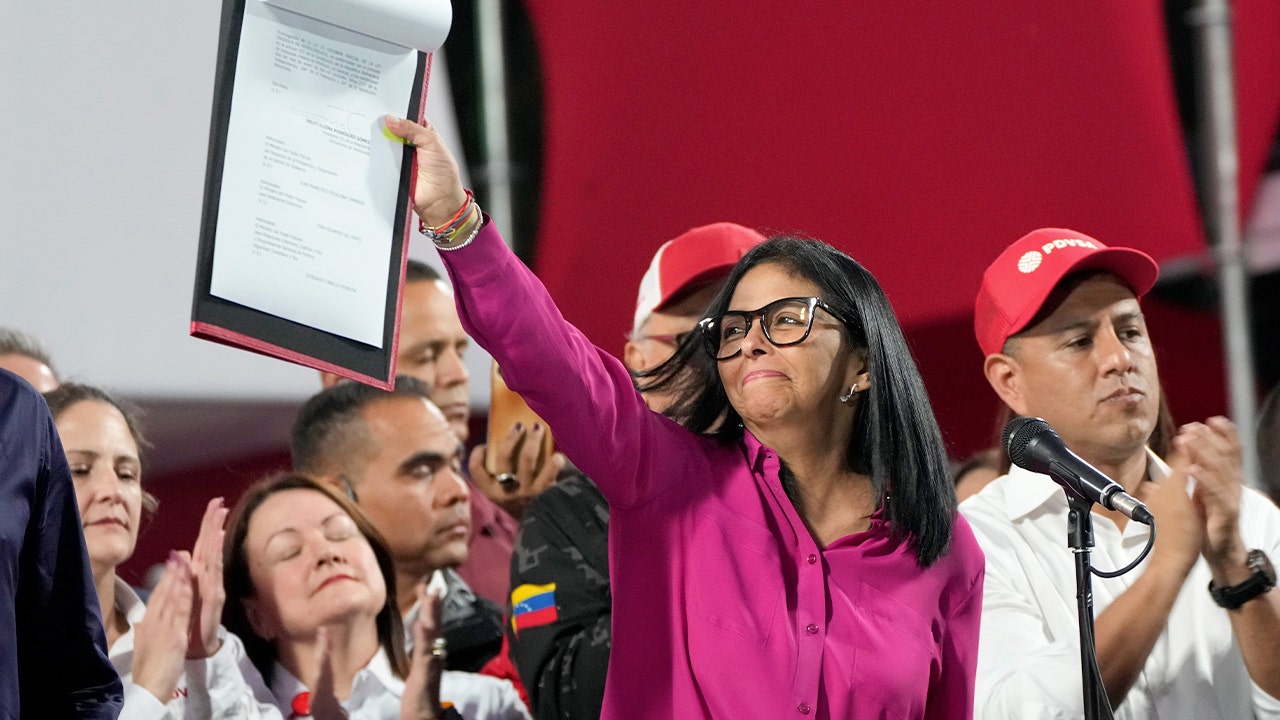
 FOX News
Venezuela's acting president overhauls oil industry amid pressure from Trump administration
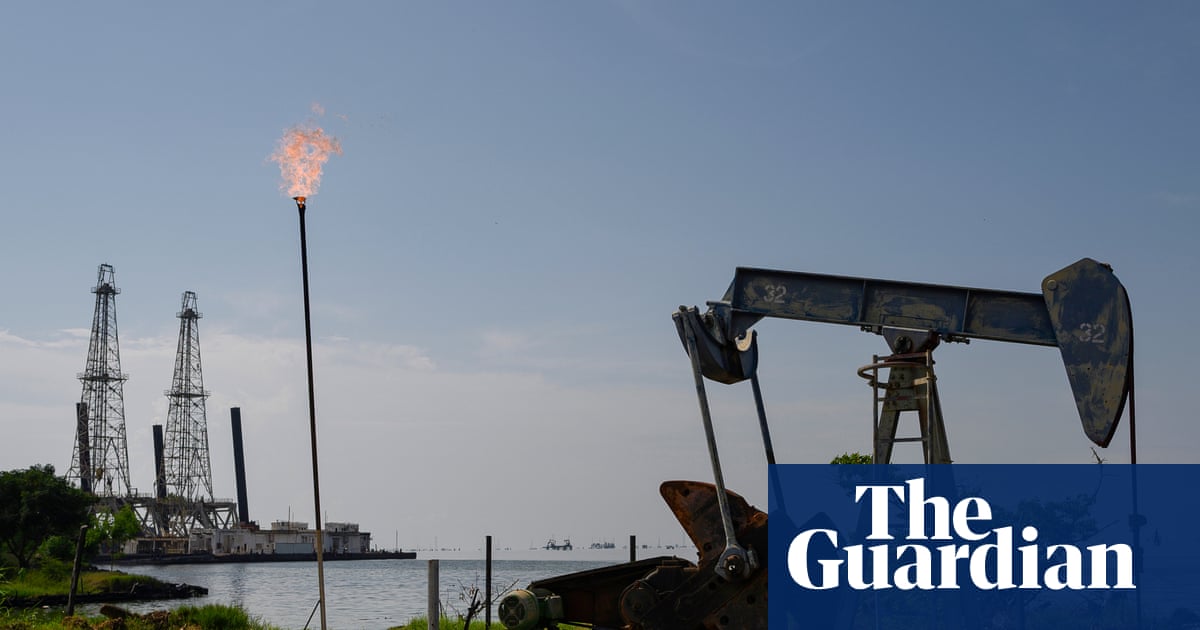
 The Guardian
Venezuela approves bill to open oil sector to foreign investment after US pressure
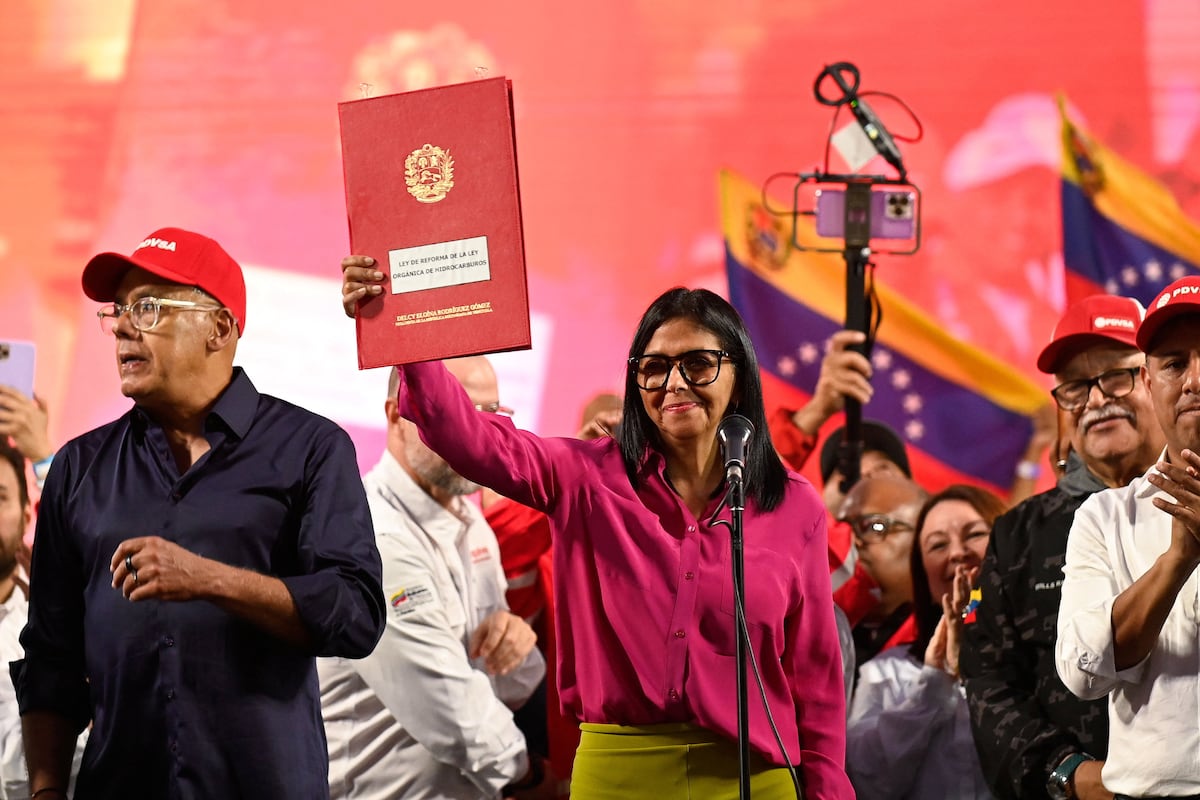
 El Pais
Venezuela gives the green light for foreign capital to enter the oil sector
Overview
Acting President Delcy Rodríguez signed a law on Thursday opening Venezuela's oil sector to private management, according to a government statement.
The legislation ends Petróleos de Venezuela SA's exclusive control over production and sales and allows private companies to assume full management after approval of a business plan, the law states.
The U.S. Department of the Treasury began easing oil sanctions and President Donald Trump hosted oil executives on Jan. 10 and later spoke with Rodríguez, U.S. officials and White House records show.
The law sets a royalty cap of 30% and grants the executive branch authority to set percentage terms for individual projects, according to the text of the measure.
Opposition lawmaker Antonio Ecarri urged added transparency and creation of a public website while analysts said independent arbitration provisions will be key for investor confidence, Ecarri and analysts said.
Analysis
Center-leaning sources frame the reform as a pragmatic opening favoring foreign investment, using evaluative language (mismanagement, under-investment, tightened control) and a dramatic claim (Maduro "seized in a US military operation") that casts doubt on legitimacy. They emphasize economic/Western-partner angles (Chevron, sanctions) while omitting government defenses and domestic dissent, producing a pro-reform narrative.
FAQ
The law ends PDVSA's monopoly on oil production and sales, allows private companies to assume full management after approval of a business plan, permits direct marketing of crude by private firms in joint ventures, caps royalties at 30% (adjustable downward), and introduces independent arbitration for disputes.[1]
The reform follows the U.S. capture of Nicolás Maduro, military strikes, pressure from the Trump administration including calls with Delcy Rodríguez, and the U.S. Treasury issuing General License 46 to ease sanctions on Venezuelan oil transactions.
Royalties are capped at 30%, with the executive branch able to adjust terms for individual projects; earlier drafts proposed lowering to 20% for direct contracts and 15% for joint ventures.[1]
Opposition lawmaker Antonio Ecarri called for transparency via a public website, while analysts emphasized the importance of independent arbitration provisions for investor confidence.[1]
The U.S. Treasury eased oil sanctions with General License 46, President Trump hosted oil executives and spoke with Rodríguez, and Secretary Rubio discussed handling Venezuelan oil sales.

