Investors, Consumers Flock to Gold as Prices Soar
New York spot gold hit $5,418 per troy ounce on Jan. 28, 2026 as retail and investor demand surged.




Overview
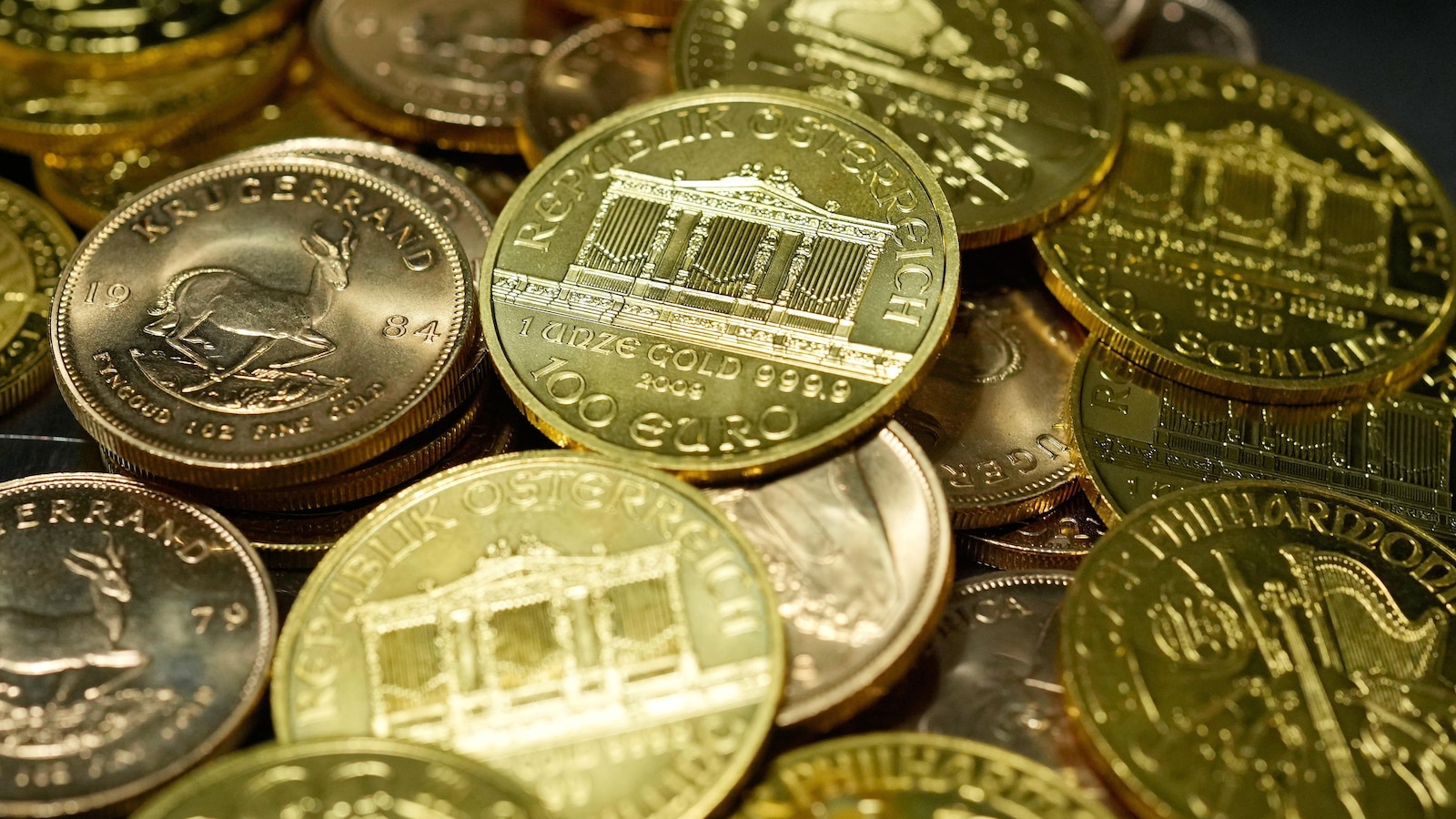
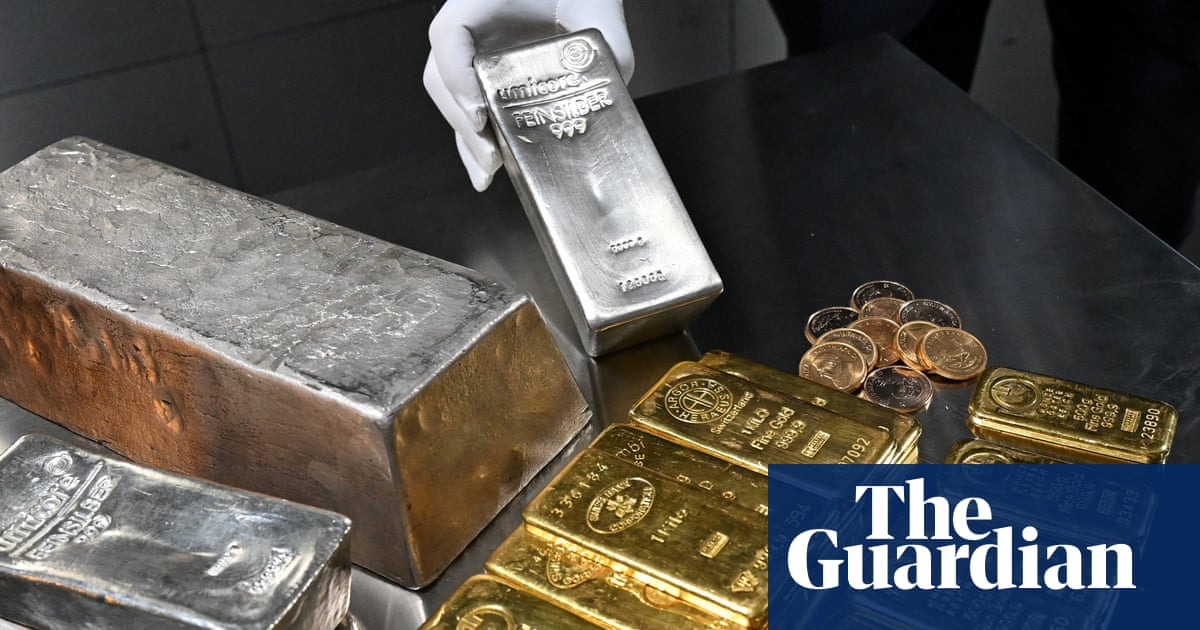
New York spot gold hit a record $5,418 per troy ounce on Jan. 28, 2026, prompting increased retail buying and selling, according to trading data.
Traders and analysts said the surge followed escalating geopolitical tensions and market jitters after reports on Jan. 28, 2026, that President Donald Trump would nominate Kevin Warsh to be Federal Reserve chair.
Godot & Fils, a Paris precious-metal dealer, reported about 100 transactions per day as customers sold broken jewelry and bought coins, the firm told reporters.
Central banks added 863 tonnes to gold reserves in 2025, a 21% decline from 2024, World Gold Council data show.
Analysts including Giuseppe Sersale and Daniela Hathorn warned prices could remain volatile ahead of possible Federal Reserve policy moves and further geopolitical developments.
Analysis
Center-leaning sources frame metals’ surge as a market-driven, risk-off reaction: they highlight geopolitical turmoil and President Trump’s 'renewed attacks' on the Fed, emphasize investors 'seeking haven assets', and use vivid verbs like 'frantic' and 'target of speculators'. They lean on market forecasts (Goldman Sachs) and analyst commentary to amplify urgency and downside risk.
FAQ
The surge was driven by escalating geopolitical tensions, market jitters from reports of President Trump nominating Kevin Warsh as Federal Reserve chair, central bank buying, and increased investor demand amid policy uncertainty.
UBS raised its gold price target to $6,200 per ounce for March, June, and September 2026, with an upside of $7,200 and downside of $4,600; J.P. Morgan forecasts $5,055/oz by Q4 2026, rising to $5,400 by end-2027.
Central banks added 863 tonnes to gold reserves in 2025, a 21% decline from 2024, with UBS expecting about 950 metric tons in 2026.
Godot & Fils in Paris reported about 100 transactions per day, with customers selling broken jewelry and buying coins due to surging demand.
Prices could remain volatile due to possible Federal Reserve policy moves, further geopolitical developments, a hawkish Fed, profit-taking, dollar strength, or shifts in US policies under Trump.