Tax Season Begins With New Deductions, April 15 Deadline
Tax season opens with an April 15 filing deadline, new deductions from a Republican bill, and a required Schedule 1-A to claim them.
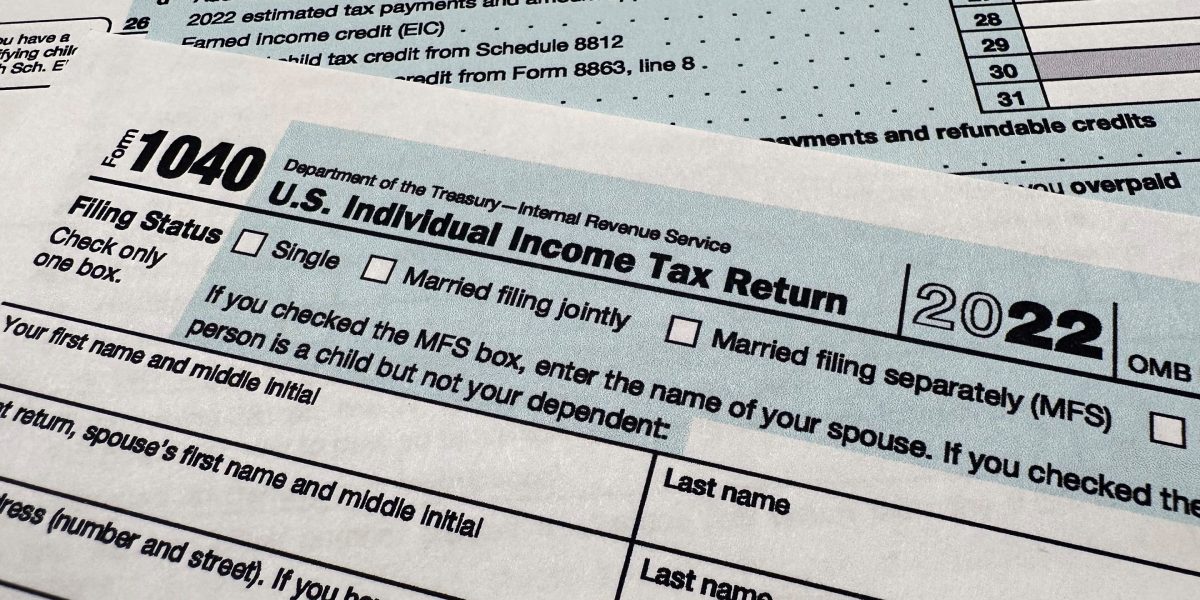
 Fortune
Thanks to Trump, tax refunds could $1,000 higher this season. Here are the new deductions taxpayers should know about | Fortune

 Chicago Tribune
Tax season is here. Here’s what you need to know for stress-free filing.

 RedState
Average IRS Tax Refund Jumps to $2,290, Up Nearly 11 Percent From Last Year
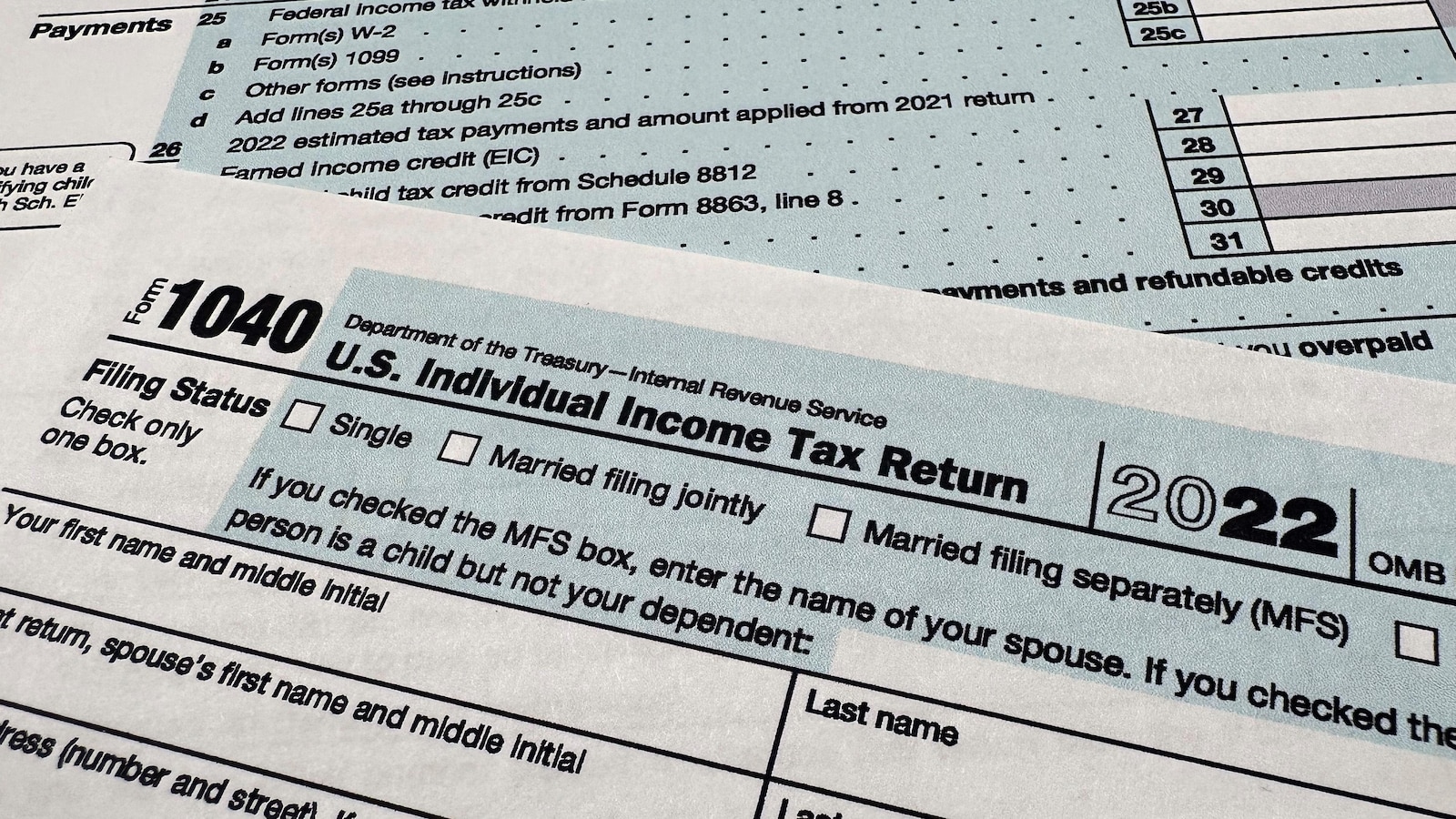
 ABC News
Tax season is here. Here's what you need to know for stress-free filing
 Associated Press
Tax season is underway. Here's what to know for stress-free filing with the IRS
Overview
Tax season is underway and taxpayers have until April 15 to file returns with the IRS.
A Republican tax and spending bill signed by President Donald Trump over the summer created new deductions, and analysts project average refunds could be about $1,000 higher than last year's $3,167.
Tom O'Saben urged taxpayers to gather documents, sign up for direct deposit, keep copies of returns and avoid waiting until the last minute.
The new tip deduction is capped at $2,500 annually and phases out for taxpayers with modified adjusted gross income over $150,000 or $300,000 for joint filers, experts said.
Taxpayers must use a new IRS form, Schedule 1-A, to claim four deductions from the bill including the SALT change, qualified tips, car loan and senior deductions.
Analysis
Center-leaning sources present this tax guide neutrally, focusing on practical steps and factual changes in law rather than political judgment. The coverage foregrounds expert tips (tax pros, CPA), clear how-to lists, and IRS resources, avoiding evaluative language or selective omission; quoted guidance is labeled and contextualized.
FAQ
The deadline for most individual taxpayers to file 2025 tax returns is April 15, 2026.
The new deductions include changes to SALT, qualified tips (capped at $2,500 annually, phasing out over $150,000/$300,000 MAGI), car loan, and senior deductions.
Taxpayers must use Schedule 1-A to claim the four new deductions from the bill.
The tip deduction is capped at $2,500 annually and phases out for modified adjusted gross income over $150,000 for single filers or $300,000 for joint filers.
Gather documents, sign up for direct deposit, keep copies of returns, avoid last-minute filing, and use IRS tools like Free File.