U.S. Trade Gap Hits Record Goods Deficit After Tariff Surge
2025 goods deficit reached roughly $1.2–$1.24 trillion as imports rose despite tariffs, exports climbed to $2.2 trillion, and country-specific deficits shifted markedly.

 USA TODAY
US trade deficit widened in December; 2025 goods trade gap highest on record
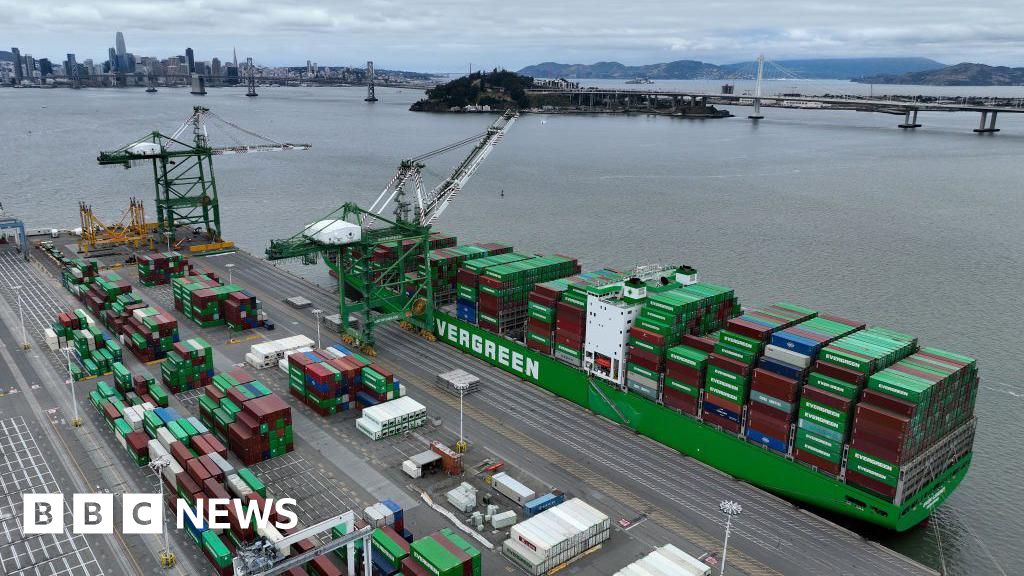
 BBC News
US trade deficit hits fresh high despite Trump's tariffs
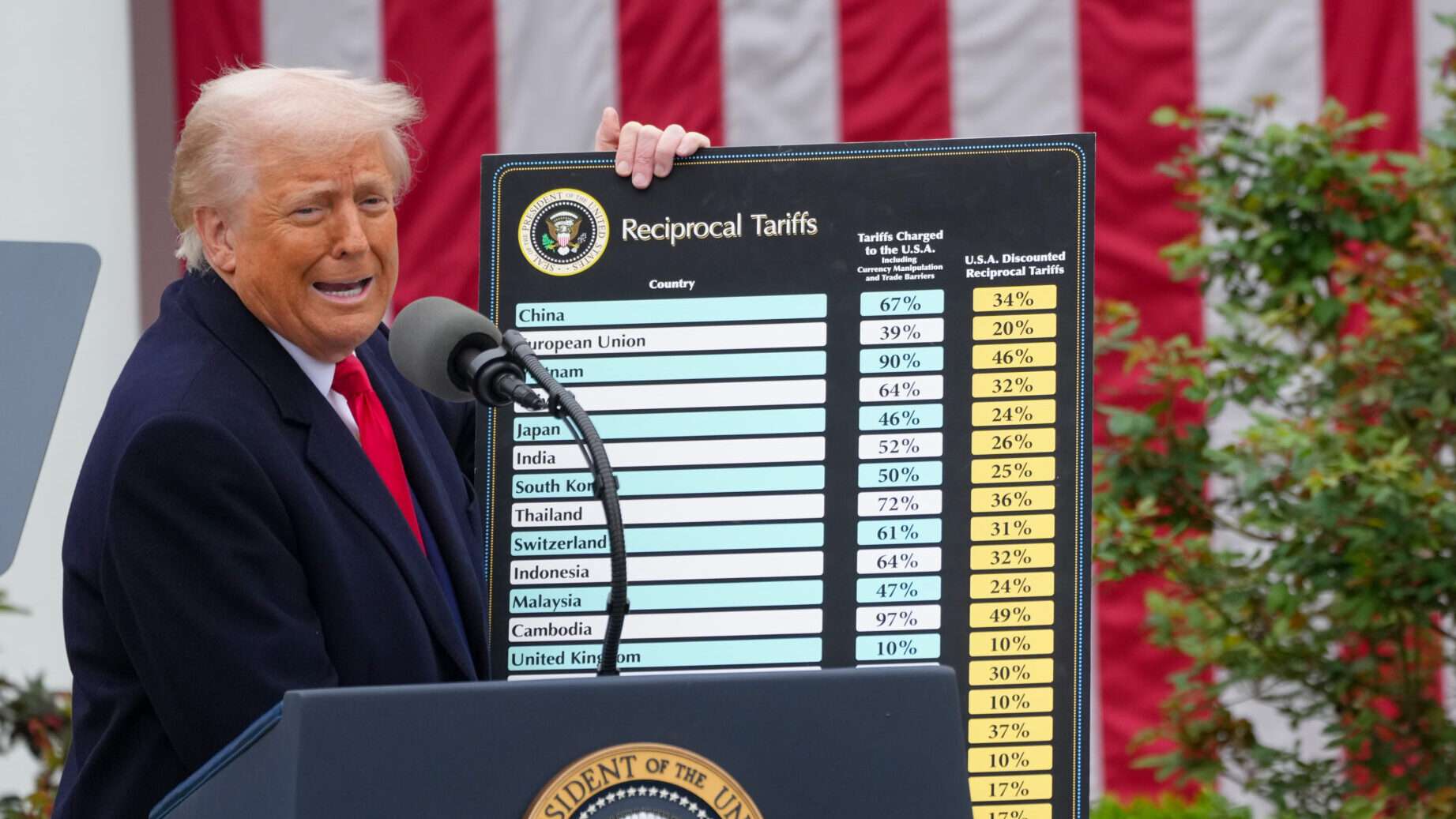
 Reason
Trump said tariffs would reduce the trade deficit. Instead, it hit a record high in 2025.

 Breitbart News
Trump Effect: Trade Deficit Narrows as Trump Tariffs Reshape Global Commerce
Overview
Commerce Department data showed the U.S. goods trade deficit hit a record roughly $1.2 to $1.24 trillion in 2025, and the monthly trade gap widened to $70.3 billion in December.
President Donald Trump imposed broad tariffs in 2025 to reduce deficits, but goods imports rose to about $3.4 to $3.44 trillion while total exports increased to $2.2 trillion.
Wells Fargo analysts said supply chains will be rejiggered with modest import ascent, and the JP Morgan Chase Institute found many mid-size firms were shifting business away from China before the tariffs.
Trade with China fell to $202.1 billion, while deficits widened with Mexico to $196.9 billion, Vietnam to $178.2 billion and Taiwan to $146.8 billion; factory employment fell by 83,000 from January 2025 through January 2026.
The Supreme Court is weighing a legal challenge to the tariffs that could affect their future, and economists said the larger-than-expected trade deficit may prompt revisions to fourth-quarter GDP estimates.
Analysis
Center-leaning sources frame the story as a policy failure by emphasizing that the trade deficit hit a record "despite" tariffs, using evaluative terms like "sweeping" and "sparked widespread turmoil." They prioritize official statistics and critical analysts (Wells Fargo, JPMorgan) while giving limited space to White House defenses, tilting the narrative toward negative outcomes.
FAQ
The goods deficit increased despite tariffs because imports rose to approximately $3.4-$3.44 trillion while exports grew to $2.2 trillion, reflecting a gap between tariff intent and economic outcomes. According to the Bureau of Economic Analysis, the 2025 goods deficit increased $25.5 billion (2.1 percent) to $1,240.9 billion compared to 2024. Wells Fargo analysts noted that supply chains are being rejiggered with only modest import changes, and the JP Morgan Chase Institute found many mid-size firms were already shifting business away from China before tariffs were imposed, suggesting structural factors beyond tariff policy influence trade flows.
Mexico, Vietnam, and Taiwan emerged as major contributors to the deficit widening in 2025. The deficit with Vietnam increased $54.7 billion to $178.2 billion, Taiwan's deficit rose $73.0 billion to $146.8 billion, and Mexico's deficit widened to $196.9 billion. Meanwhile, the deficit with China fell to $202.1 billion, indicating a shift in trade patterns away from China toward other trading partners.
Factory employment declined by 83,000 jobs from January 2025 through January 2026, indicating that despite tariff policies intended to support domestic manufacturing, the sector experienced net job losses during this period.
Monthly trade deficits showed significant volatility in late 2025. The deficit increased from $29.2 billion in October to $56.8 billion in November, then further widened to $70.3 billion in December. According to Trading Economics, these pronounced monthly swings reflect the Trump administration's frequently changing tariff stance, with December's $70.3 billion deficit exceeding forecasts of $55.5 billion.
The Supreme Court is currently weighing a legal challenge to the tariffs that could affect their future implementation. Additionally, economists indicated that the larger-than-expected trade deficit may prompt revisions to fourth-quarter GDP estimates, as trade deficits factor significantly into gross domestic product calculations.