Energy Department Approves Record Loan for Southern Company Expansion
A record $26.5–$27 billion loan to Georgia Power and Alabama Power aims to add generation, transmission and deliver more than $7 billion in projected customer savings.
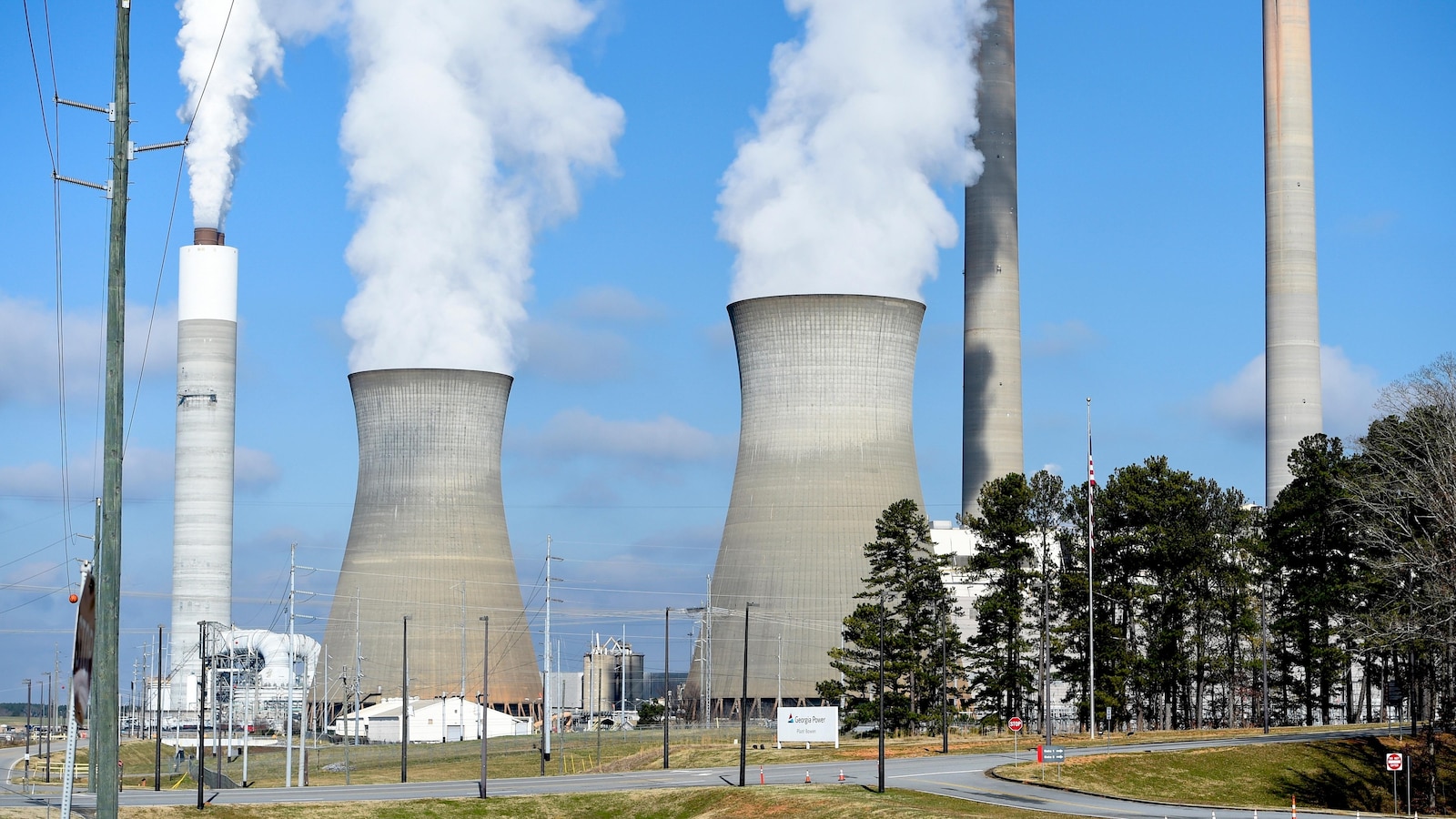
 ABC News
Feds give record $27B in loans for utility expansion in Georgia and Alabama
 Associated Press
Feds announce $26.5 billion loan for electric power expansion in Georgia and Alabama
 Newsmax
Energy Dept Closes Record $26.5B Loan to Cut Costs in Ga., Ala.

 Just the News
Energy Department to make $26.5 billion loan to Alabama, Georgia for electric power facilities
Overview
Federal energy officials announced a record $26.5 to $27 billion loan package to subsidiaries of Southern Company to expand power generation and transmission in Georgia and Alabama.
The loans respond to data-center-driven demand and aim to add firm capacity including natural gas, nuclear uprates, hydropower, storage and over 1,300 miles of transmission.
Energy Secretary Chris Wright said the loans will lower costs and boost reliability, while Southern CEO Chris Womack praised the move and environmental attorneys warned the package amounts to a taxpayer-funded bailout.
About $22.4 to $22.5 billion is slated for Georgia Power and about $4 to $4.1 billion for Alabama Power, serving roughly 4.3 million customers and potentially reducing interest expenses by over $300 million per year.
The Office of Energy Dominance Financing said projects will be reviewed for financial viability, the loans may be drawn through September 2033, and any customer savings must be approved by state public service commissions.
Analysis
Center-leaning sources present largely neutral coverage: they report claims by officials (energy secretary, Southern CEO) and critics (environmental lawyer, utility commissioners) without endorsing either side, include factual context (loan amounts, regulatory process, past loans), and use restrained language rather than loaded adjectives, letting source quotes supply evaluative content.
FAQ
Southern Company will use the funds to build new natural gas power plants (including 5 GW of new natural gas generation), expand existing nuclear plants, modernize hydropower facilities, develop battery energy storage systems, and construct over 1,300 miles of transmission and grid enhancement projects. These investments aim to add more than 16 gigawatts of power capacity to the electrical grid[3].
The $7 billion in savings over approximately 30 years will come from lower, federally subsidized interest rates on the loans. However, the Department of Energy has not detailed the specific mechanism of how these savings will be passed to customers[1]. Importantly, any actual customer savings must be approved by state public service commissions in Georgia and Alabama, meaning the promised benefits are not automatically guaranteed[1].
The loan is being driven by extraordinary projected growth in electricity demand, particularly from computer data centers and artificial intelligence infrastructure[2]. Energy Secretary Chris Wright mentioned cooperation from major corporations including Microsoft, Google, and Meta, though he provided no details about formal written commitments[1]. The timing coincides with increased scrutiny over rising utility bills and widespread opposition to new AI data centers[4].