U.S. 30-Year Mortgage Rate Falls Below 6% for First Time Since 2022
Freddie Mac reports the 30-year rate at 5.98%, down from 6.01%, marking the first sub-6% reading since Sept. 8, 2022, as the spring homebuying season begins.
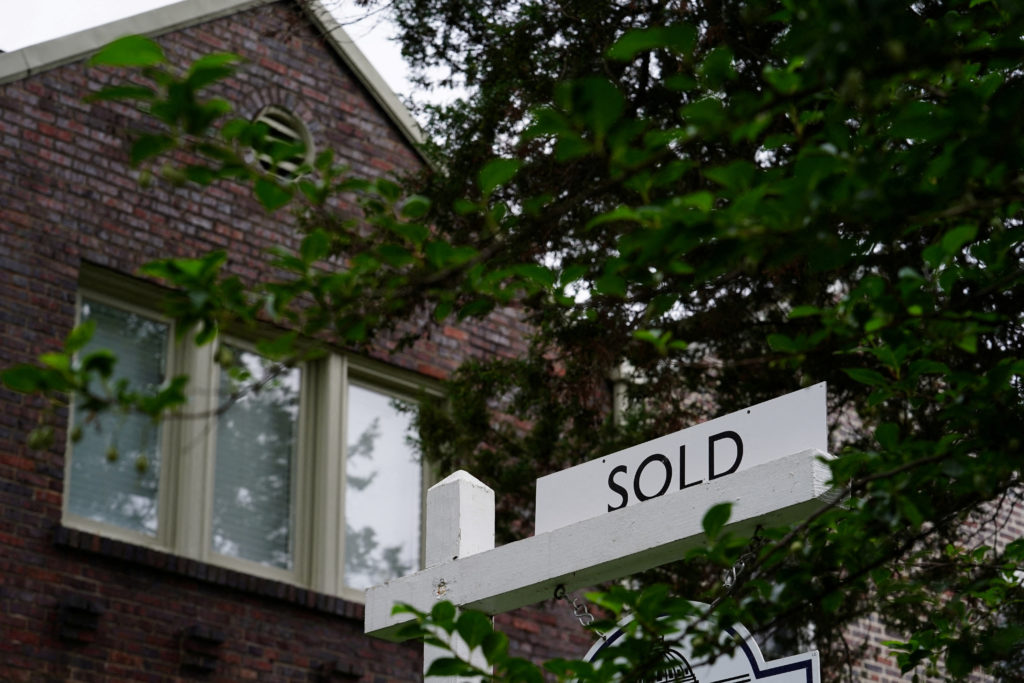
 PBS NewsHour
Average U.S. long-term mortgage rate dips below 6% for the first time since 2022
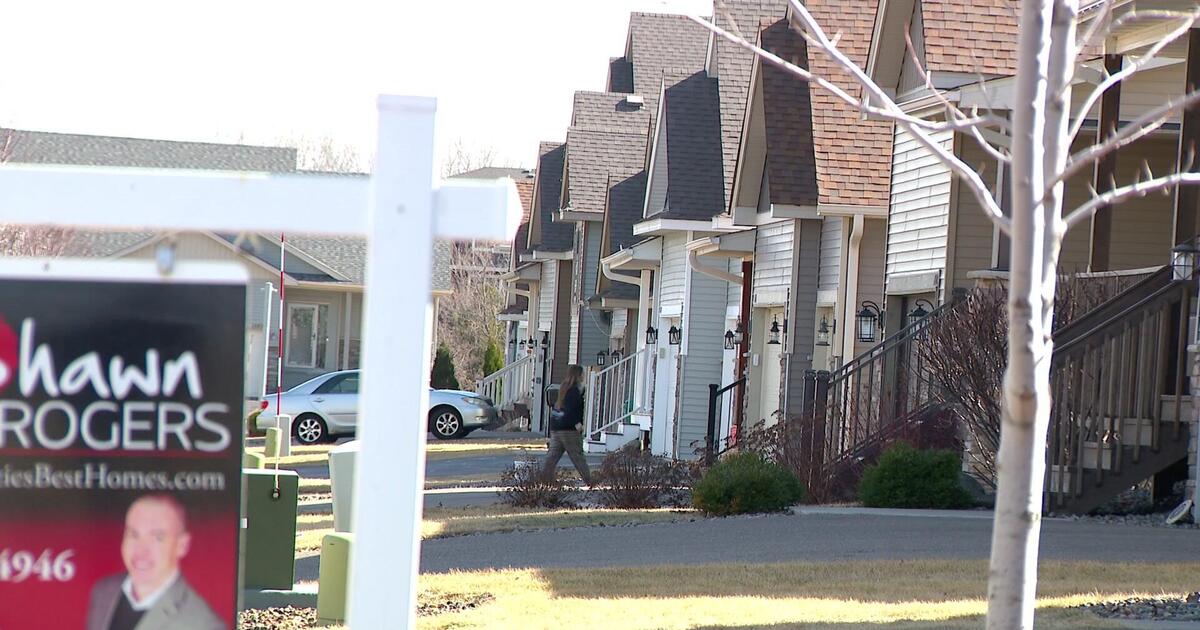
 CBS News
Mortgage rates fall below 6% for the first time since 2022

 The Guardian
Average long-term mortgage rate falls below 6% in time for spring home-buying season

 NPR
NPRMortgage rates fall below 6% for the first time in years
Overview
Freddie Mac said the average 30-year fixed mortgage rate fell to 5.98% this week from 6.01% last week, slipping below 6% for the first time since Sept. 8, 2022.
The decline, the third consecutive weekly drop, comes as the 10-year Treasury yield was 4.02% at midday Thursday, down from about 4.07% a week earlier, which lenders use to price loans.
Lisa Sturtevant, chief economist at Bright MLS, said that if rates remain below 6% buyers and sellers will reenter the market and March typically ramps the spring homebuying season.
Mortgage applications edged up 0.4% last week with refinancing loans comprising 58.6% of applications, and President Trump last month directed the federal government to buy $200 billion in mortgage bonds.
Economists warned that limited housing supply could push prices higher if demand rises, and Realtor.com senior economist Jake Krimmel said without added supply rising demand could translate into price increases.
Analysis
Center-leaning sources frame the drop below 6% as cautiously optimistic, highlighting psychological relief and modest upticks in refinancing while stressing structural limits like low inventory and high prices. Editorial phrasing—"psychologically important milestone," "frozen housing market"—and emphasis on Realtor.com warnings steer readers toward guarded optimism rather than celebration.
FAQ
Mortgage rates fell to 5.98% due to a decline in the 10-year Treasury yield, which dropped from approximately 4.07% to 4.02% and serves as a key benchmark that lenders use to price mortgage loans[3][6]. This decline reflects broader economic conditions and Federal Reserve policy adjustments, as the Fed cut rates by 25 basis points each in September, October, and December 2025, totaling 75 basis points[4].
Lower mortgage rates are expected to stimulate housing market activity. According to Lisa Sturtevant, chief economist at Bright MLS, if rates remain below 6%, both buyers and sellers will reenter the market, with March typically marking the beginning of the spring homebuying season[3]. However, economists warn that limited housing supply could constrain benefits, as rising demand without added supply could translate into price increases rather than improved affordability[3].
The current rate of 5.98% remains elevated compared to pandemic-era lows of under 3% in 2020 but is significantly lower than the recent peak of 7.08% in October 2022[1]. Historically, rates averaged 16.64% in 1981, the highest on record, while the record low was 2.85% in December 2020[3]. Current rates are expected to trend around 6.00% in 2027[3].
President Trump directed the federal government to purchase $200 billion in mortgage bonds last month, which represents a direct intervention aimed at supporting the mortgage market[3]. This action complements the Federal Reserve's earlier rate cuts and reflects efforts to influence mortgage lending conditions.
Mortgage applications showed modest growth, edging up only 0.4% last week despite the lower rates[3]. However, refinancing applications rose 4.1% while home purchase applications declined 4.7%, suggesting that while lower rates are attracting some refinancing activity, home purchase demand remains subdued despite improved affordability[3].