Oil Spike Sends Dow Nearly 800 Points Lower Amid Iran Attacks
Iran attacks and halted Strait of Hormuz traffic pushed U.S. crude toward $80 a barrel, drove the Dow down roughly 784–785 points and raised inflation and Fed policy concerns.

 CNBC
CNBCDow futures tick higher, but index heads for worst week since October on oil surge: Live updates

 CBS News
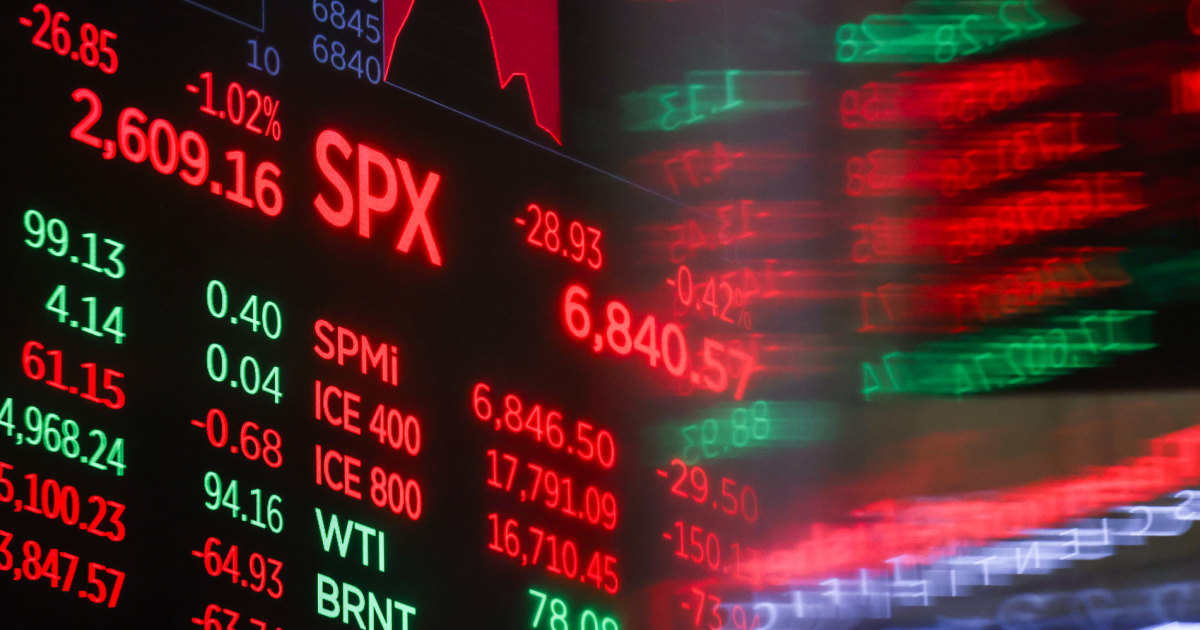
Dow plunges almost 800 points as surging oil prices renew inflation fears

 CNN
CNNDow tumbles nearly 800 points and oil surges as Iran conflict spills beyond the Middle East | CNN Business
 NBC News
Stocks slide and oil prices climb as Iran says it could counter ground invasion
Overview
U.S. stocks plunged as oil surged after Iran expanded attacks and tanker traffic through the Strait of Hormuz stalled, with trading data showing the Dow closed down roughly 784 to 785 points.
The spike followed missile strikes, Iran saying it hit an oil tanker and threats to the Strait of Hormuz that left almost no tanker traffic, according to S&P Global Commodities at Sea data.
Analysts warned higher oil could rekindle inflation and delay Fed cuts, Iranian Foreign Minister Abbas Araghchi said Iran could confront the U.S., and the U.S. ordered political risk insurance for Gulf maritime trade.
U.S. crude rose roughly 6.6%–8.5% to about $79.6–$81.0 per barrel, Brent climbed roughly 4.2%–4.93% to $84.75–$85.41, gasoline averaged about $3.25–$3.26, and 10-year yields hit about 4.13%–4.14%.
Markets are watching whether Strait of Hormuz transit resumes, with traders pushing forecasts for Fed rate cuts further into the summer and insurance brokers engaging to restart Gulf shipping.
Analysis
Center-leaning sources use a causal headline linking Iran's missile strike to the Dow plunge, foreground market metrics and oil-price spikes, and amplify analyst reassurances. source quotes (e.g., Iran's claim to close Hormuz) appear as reported content; editorial choices prioritize supply-shock framing while downplaying alternative drivers.
FAQ
Iran expanded attacks including missile strikes on an oil tanker, amid US-Israeli strikes on Iran, leading to plummeting tanker traffic from an average of 135 vessels per day in February to 26 on March 1, with advisories to avoid the region.
U.S. crude rose 6.6%–8.5% to $79.6–$81.0 per barrel, while Brent climbed 4.2%–4.93% to $84.75–$85.41 per barrel.
The Dow Jones Industrial Average closed down roughly 784–785 points due to the oil price surge and concerns over inflation and delayed Federal Reserve rate cuts.
Intertanko advised delaying transits until the situation clarifies, and the International Chamber of Shipping urged thorough risk assessments and vigilance due to escalating US-Iran conflict risks.
Higher oil prices could rekindle inflation, delay Fed rate cuts, spike tanker freight rates (e.g., Persian Gulf to China VLCCs up 35%), and disrupt global energy supply as the Strait handles 20% of world oil trade.
