Oil Surges as Gulf Supply Threats Roil Markets
Oil and gas prices jumped after Qatar's energy minister warned Gulf exporters could stop production; U.S. crude hit $90.90 and the national gasoline average rose to $3.32 per gallon.

 Daily Caller
US Economy Could Be In Dire Straits As Hormuz Slams Shut
 Fox Business
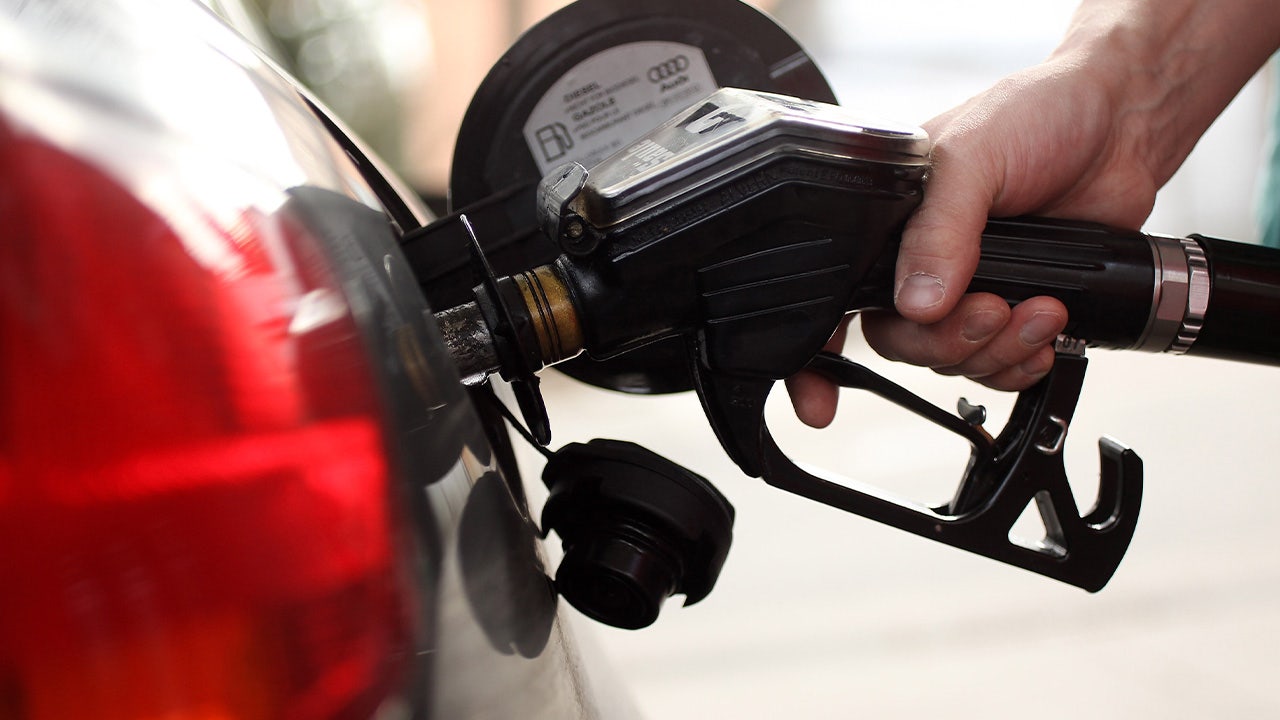
Gas prices surge as Iran conflict rattles global oil markets, pushing US crude above $90
 BBC News
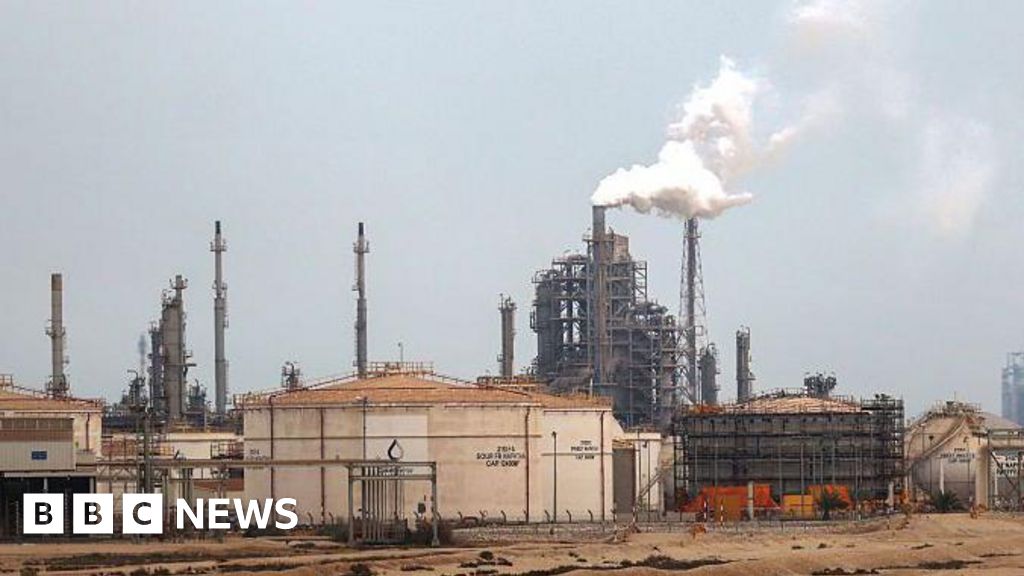
Oil price at two-year high after Qatar minister warns all Gulf production could stop
 Daily Signal
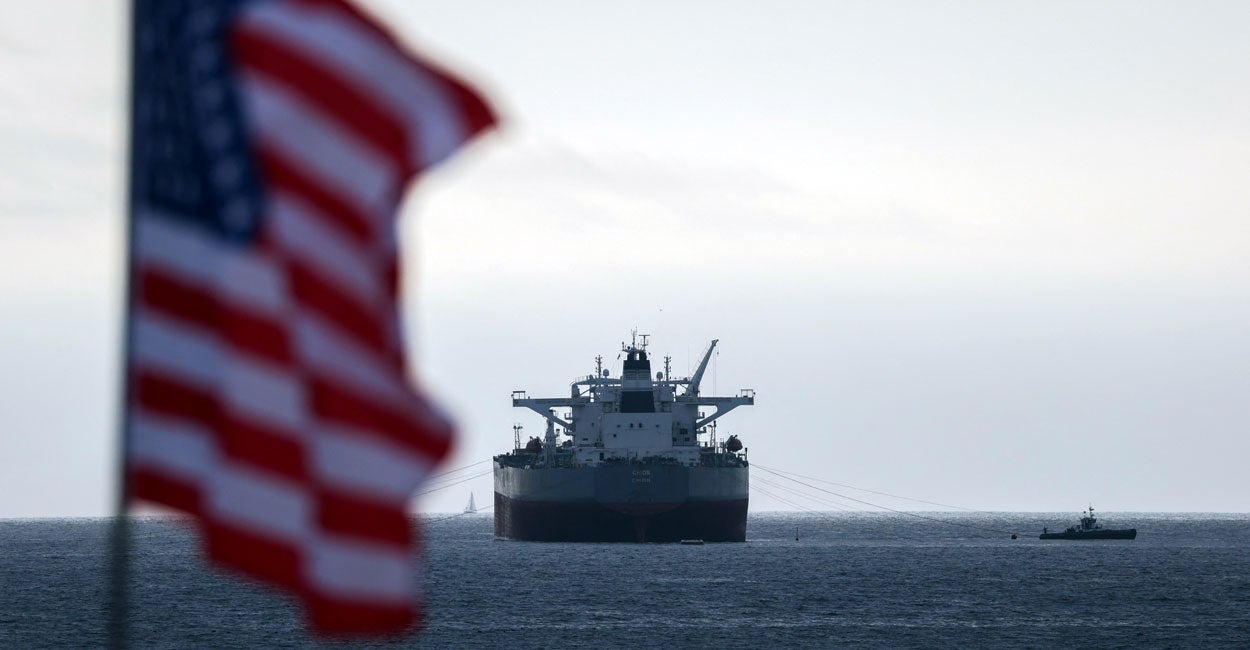
Iran War Increases Oil Prices, But Conservatives Trust Trump's Plan for 'Record Lows'
Overview
Brent and U.S. crude jumped to roughly $92.69–$93 and $90.90 per barrel respectively, and U.S. futures posted a 35.63% weekly gain, according to market data reported in the articles.
The moves followed warnings from Qatar's energy minister Saad al-Kaabi, who said QatarEnergy declared force majeure after "military attacks" and warned all Gulf exporters could stop production if the conflict continues.
Analysts and institutions warned of wider disruption, with Rystad Energy's Jorge Leon calling it a "real risk to the global economy" and JPMorgan saying production cuts could approach 6 million barrels per day by the end of next week.
Supply and consumer impacts include Iraq cutting 1.5 million barrels per day, a national gasoline average rising to $3.32 per gallon from $2.98 a week earlier, and Strait of Hormuz traffic down about 90%, according to reports.
Officials and firms have acted, with a $20 billion U.S. tanker insurance program announced, the UK's competition watchdog monitoring pump prices, and Kaabi saying normal output could take weeks to months to resume.
Analysis
Center-leaning sources frame the oil-price surge as a destabilizing economic shock tied to Middle East conflict and domestic policy missteps, emphasizing consumer pain and market risk. They use urgent descriptors (grim, worst week), prioritize market analysts and official statements, and arrange facts to link energy costs to political accountability.
FAQ
QatarEnergy halted LNG production and declared force majeure due to Iranian attacks on its facilities in Ras Laffan and Mesaieed Industrial City on March 2, 2026, amid the Israel-U.S. war with Iran.
U.S. crude hit $90.90 per barrel, Brent reached $92.69–$93 per barrel, with U.S. futures gaining 35.63% weekly; national gasoline average rose to $3.32 per gallon from $2.98.
Qatar produces about 20% of the world’s LNG, making it the second-largest exporter after the U.S., with 82% of its customers in Asia.
Warnings include Gulf exporters possibly stopping production, Iraq cutting 1.5 million barrels/day, Strait of Hormuz traffic down 90%, and potential cuts of 6 million barrels/day.
Normal output could take weeks to months to resume, according to Qatar's energy minister Saad al-Kaabi.