Iran War Pushes Inflation Risks, Clouds Fed Path
February CPI at 2.4% predates a Middle East-driven oil surge that raised gas to $3.58 and complicates the Fed's March 18 decision.
 Semafor
US inflation report âobsoleteâ amid war
 NBC News
Trump's war on Iran creates an economic storm for consumers and the Fed

 CBS News
Inflation held steady in February before Iran war drove up gas prices, CPI report shows

 The American Conservative
Inflation Held Steady In February Before Iran War
Overview
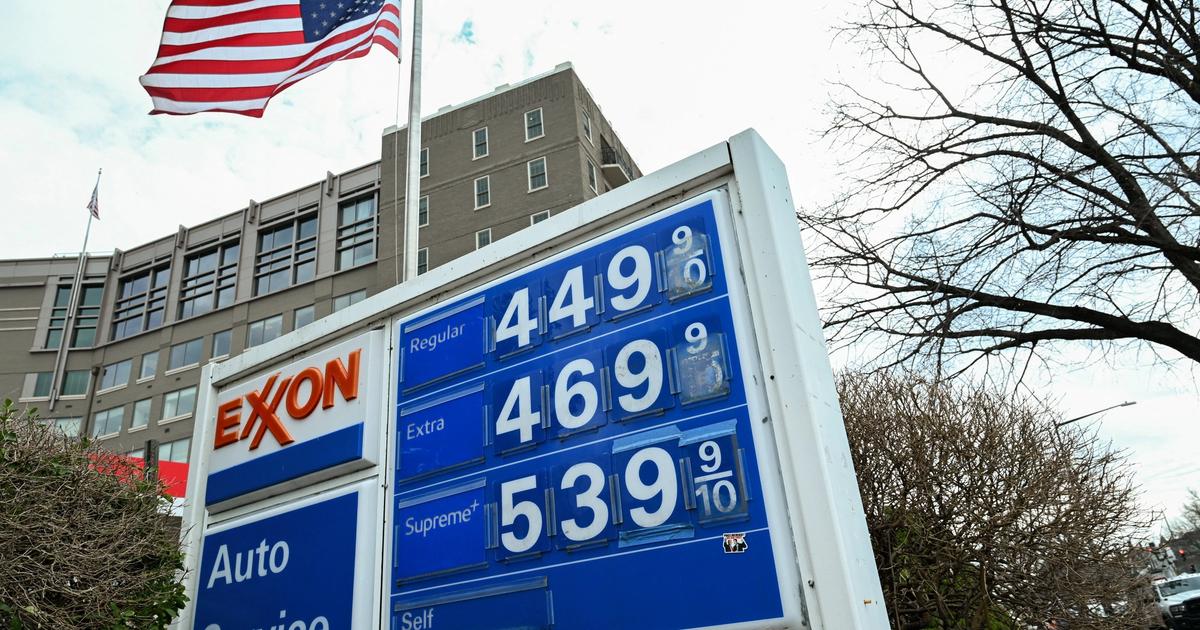
Oil prices surged after the U.S.-Israel attack on Iran, pushing gasoline to an average $3.58 per gallon and complicating the Federal Reserve's outlook ahead of its March 18 decision.
Consumer prices rose 2.4% annually in February, and core CPI excluding food and energy was 2.5%, data showed, representing a final look at inflation before the Iran war.
The Bureau of Labor Statistics reported the U.S. economy lost 92,000 jobs last month and revisions showed 69,000 fewer jobs than originally estimated.
The International Energy Agency agreed to release 400 million barrels from reserves while the Strait of Hormuz disruption threatens roughly one-fifth of the world's oil shipments.
Economists warned that rising energy costs and potential tariff refunds—estimated up to $175 billion by the Penn Wharton Budget Model—could push headline inflation higher and delay Fed rate cuts.
Analysis
Center-leaning sources frame the inflation report as effectively sidelined by geopolitical turmoil, emphasizing that the Middle East conflict and rising energy costs make the data 'pretty obsolete' while markets react 'ho-hum.' They prioritize conflict-driven risk and consumer pain from soaring gas prices, downplaying the report's temporary positive signals.
FAQ
Consumer prices rose 2.4% annually in February, with core CPI excluding food and energy at 2.5%.
Gasoline prices have surged to an average of $3.58 per gallon due to the Middle East-driven oil surge following the U.S.-Israel attack on Iran.
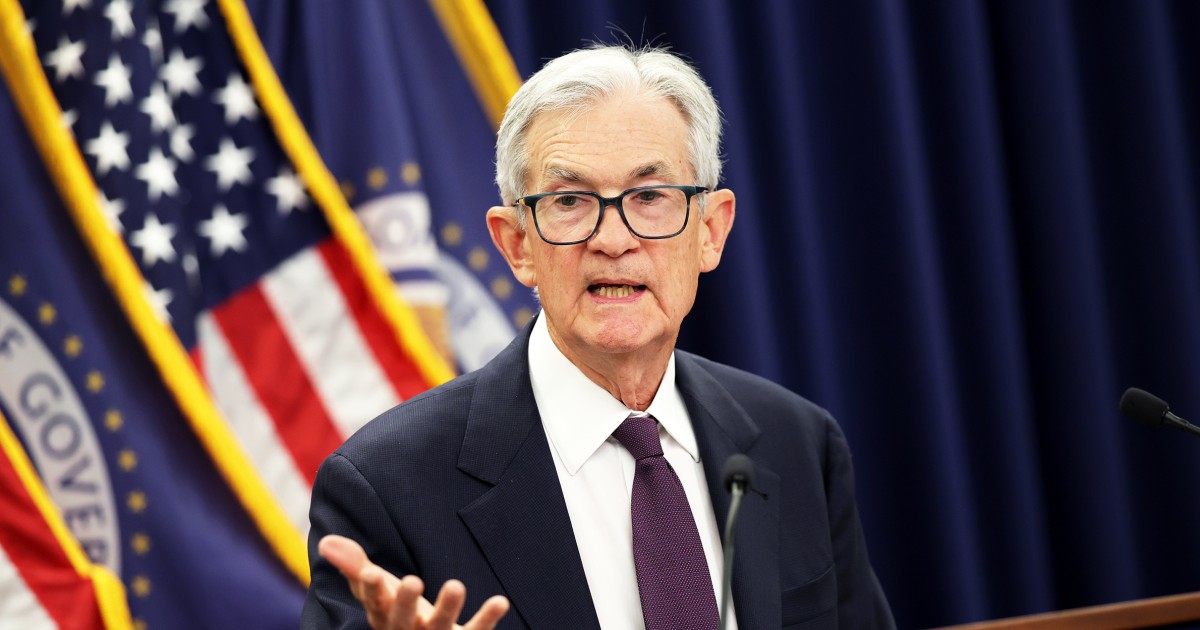
The Federal Reserve's decision is scheduled for March 18, complicated by rising energy costs and inflation risks.
The International Energy Agency agreed to release 400 million barrels from reserves amid threats to oil shipments through the Strait of Hormuz.
The U.S. economy lost 92,000 jobs in February with downward revisions of 69,000, and potential tariff refunds up to $175 billion could push headline inflation higher.
