Nexstar Closes $6.2 Billion Tegna Deal After FCC and DOJ Approval Amid Lawsuits
FCC waived a 39% ownership cap to allow Nexstar's $6.2 billion acquisition of Tegna to close, while eight states and DirecTV have sued to block the deal.

 Los Angeles Times
Nexstar finalizes acquisition of Tegna's TV stations, despite opposition

 CNBC
CNBCFCC approves combination of Nexstar and Tegna TV stations
 NBC News
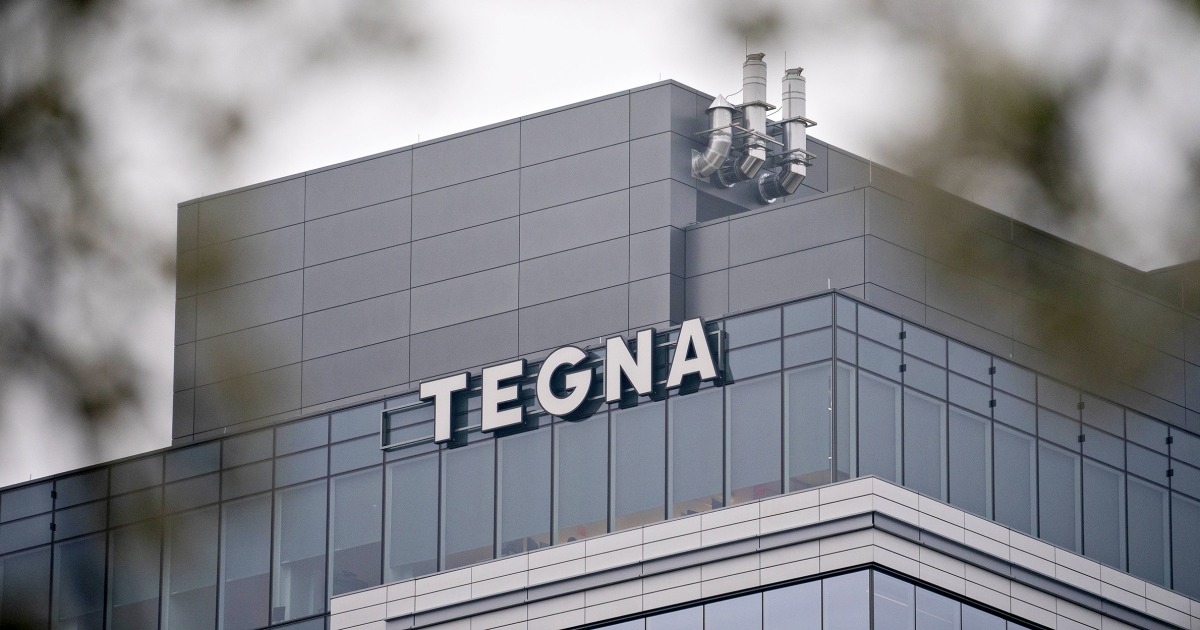
FCC green-lights Nexstar's $6.2B merger with rival TV station owner Tegna

 Deadline
Nexstar Closes Tegna Merger Following FCC And DOJ Approval
Overview
The FCC's Media Bureau and the Justice Department approved Nexstar's $6.2 billion acquisition of Tegna, and Nexstar said it has closed the deal.
Attorneys general from eight states filed a lawsuit in the U.S. District Court in Sacramento, California, to block the merger, and DirecTV filed a separate suit seeking to prevent the deal.
California Attorney General Rob Bonta said the combination would cause "irreparable harm to local news," and DirecTV said Nexstar seeks to drive up fees extracted from distributors.
The combined company would own or operate roughly 260 to 265 stations and would reach roughly 60% to 80% of U.S. households after the FCC waived a 39% national ownership cap.
As conditions of approval, Nexstar agreed to sell six stations within two years and to extend retransmission agreements at existing rates through Nov. 30, while the legal challenges continue.
Analysis
Center-leaning sources frame the merger as primarily a consumer- and newsroom-harm story, emphasizing attorney generals’ and DirecTV’s warnings about price hikes and consolidated newsrooms. Editorial choices—loaded phrases like “flexed its muscles” and “already-struggling local news business,” selective quoting, and limited Nexstar/Tegna rebuttal—push readers toward skepticism of the deal.
FAQ
The FCC's Media Bureau waived a 39% national ownership cap and the Justice Department approved the $6.2 billion acquisition, allowing Nexstar to close the deal.
Attorneys general from eight states sued in U.S. District Court in Sacramento to block the merger, citing irreparable harm to local news, and DirecTV filed a separate suit claiming Nexstar aims to raise distributor fees.
The merged entity will own or operate 260-265 stations across 44 states and D.C., reaching 60-80% of U.S. households, making it the largest local TV owner.
Nexstar must sell six stations within two years and extend retransmission agreements at existing rates through November 30 while legal challenges proceed.
Critics fear job cuts, consolidated news operations, reduced specialized local coverage, more syndicated content, and weakened editorial independence in overlapping markets.