U.S. Mortgage Rates Climb to 6.22% as Iran War Lifts Treasury Yields
The 30-year fixed rate rose to 6.22% in the week ending March 19 as the Iran war that began in late February pushed 10-year Treasury yields higher, dampening spring homebuying demand.
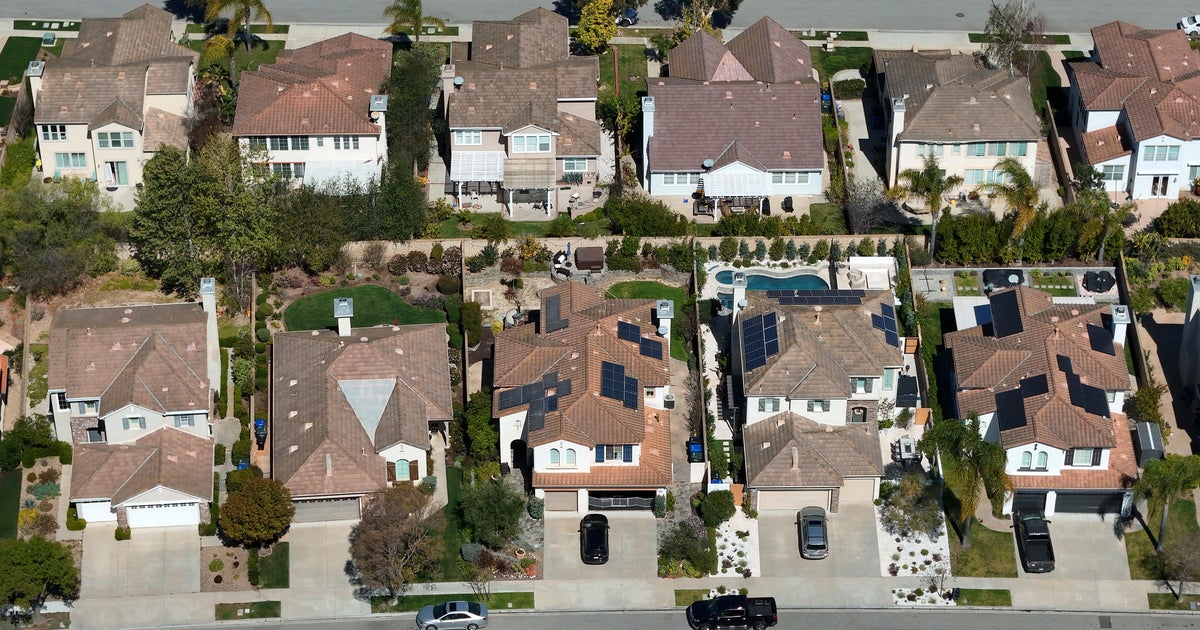
 CBS News
Mortgage rates rise as Iran war fans inflation fears and lifts Treasury yields

 PBS NewsHour
Average U.S. long-term mortgage rate rises to 6.22%, highest in more than 3 months
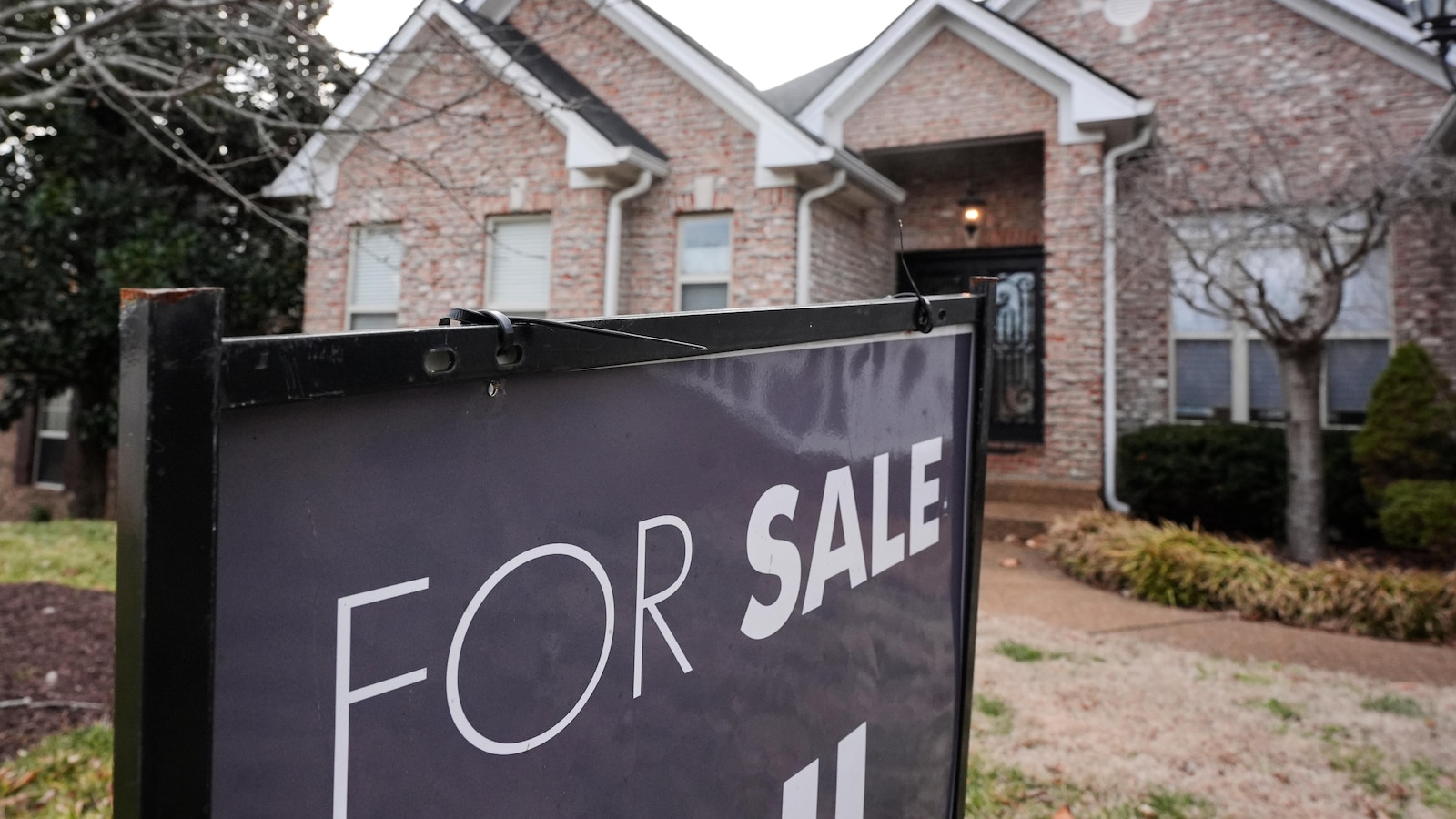
 ABC News
Average US long-term mortgage rate rises to 6.22%, highest level in more than 3 months

 Fox Business
Mortgage rates jump to highest level in over 3 months

 CNN
CNNMortgage rates climb to highest level in more than 3 months as Iran war reignites inflation fears | CNN Business
Overview
The average 30-year fixed mortgage rate rose to 6.22% in the week ending March 19, up from 6.11% the previous week, Freddie Mac said.
The rise has coincided with the war that began in late February, which has tightened energy supplies and pushed the 10-year Treasury yield higher.
The Federal Reserve voted Wednesday to hold the federal funds rate at 3.5% to 3.75% while signaling it could move to lower rates at least once this year.
Mortgage applications fell nearly 11% last week, according to the Mortgage Bankers Association, and sales of new single-family homes dropped nearly 18% in January, the Census Bureau said.
Policymakers said they will monitor economic data as they consider policy moves, while some economists said it is plausible the Fed may not deliver any rate cuts this year.
Analysis
Center-leaning sources present this story without editorial framing, focusing on data and attributed explanations (Freddie Mac’s 6.22% figure, 10-year Treasury moves, oil-driven inflation concerns). Language is factual, perspectives are situationally sourced rather than asserted, and the piece includes context (year-ago rates, housing slump) rather than selective emphasis.
FAQ
The Iran war creates inflationary pressure that overrides the typical safe-haven effect of geopolitical crises. Oil price spikes from the conflict raise production costs across the economy, leading bond market investors to demand higher Treasury yields to compensate for expected inflation. This inflation expectation makes borrowing more expensive, pushing mortgage rates up despite the uncertainty that would normally drive investors toward safer bonds.
Mortgage rates had been on a consistent and relatively speedy decline through early 2026, reaching a three-year low of 5.98% just before the conflict. This represented a significant improvement that had not occurred since 2022, positioning the spring 2026 buying season to be favorable for homebuyers.[1]
Mortgage applications fell nearly 11% in the week following the rate increases, and sales of new single-family homes dropped nearly 18% in January. The surge in rates has dampened what was expected to be a strong spring homebuying season, making home purchases less affordable compared to the anticipated market conditions.[1]
The Federal Reserve voted to hold the federal funds rate at 3.5% to 3.75% while signaling it could move to lower rates at least once this year. However, some economists believe it is plausible the Fed may not deliver any rate cuts in 2026 due to persistent inflation concerns from the conflict.[1]
The conflict impacts multiple sectors of the economy. Airfares are rising due to elevated jet fuel prices, grocery prices face upward pressure from oil costs, and fertilizer supplies are affected—30% of the world's fertilizer passes through the Strait of Hormstrait, which impacts already-struggling American farmers.[2]
