Stocks Slide As Trump Extends Pause On Iran Energy Strikes
Trump delayed strikes until April 6; futures rose but markets plunged that day as oil and Treasury yields climbed and uncertainty about talks persisted.






Overview
President Donald Trump extended a pause on striking Iran's energy facilities until April 6, and U.S. stock futures rose, with Dow futures up about 205 points and S&P and Nasdaq futures up roughly 0.4%.
The pause follows U.S. and Israel attacks on Iran's energy infrastructure on Feb. 28 that have lifted oil prices and shaken markets.
Iran's foreign minister reportedly said Tehran has no intention of holding talks even if reviewing an American proposal, while President Trump posted that talks are "going very well" and warned negotiators to "get serious."
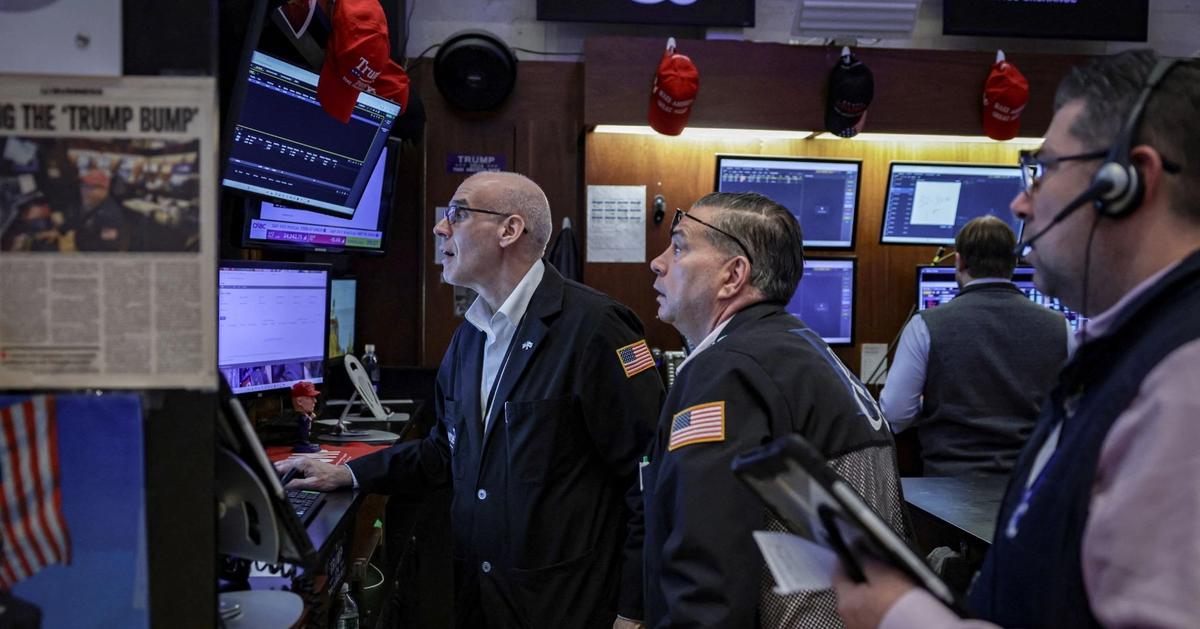
The S&P 500 fell about 1.7% to 1.74%, the Nasdaq dropped roughly 2.3% to 2.4% and sank more than 10% below its high, while the Dow lost about 469 points as Brent rose above $100.
The extension to April 6 gives more time for diplomacy but leaves markets uncertain, with the 10-year Treasury yield jumping to about 4.42% and investors urged to be cautious until a clearer resolution emerges.
Analysis
Center-leaning sources frame coverage as markets doubting Trump's de-escalation claims, using loaded terms ("rout," "whipsawed," "skeptical"), privileging strategist/analyst perspectives that highlight "conflicting signals," and juxtaposing Trump's assurances with market losses. The collective structure emphasizes market instability and skepticism while largely omitting voices that validate Trump's timeline.
FAQ
According to President Trump, talks are progressing "very well" and the U.S. has presented a 15-point peace proposal through mediators from Pakistan, Egypt, and Turkey[2]. However, Iran's foreign minister reportedly stated that Tehran has no intention of holding talks even while reviewing the American proposal, creating a significant disconnect between the two sides' characterizations of the negotiation process.
The Pentagon is formulating military strategies for a potential "final strike" in Iran, which may involve deploying ground troops and executing a large-scale bombing operation[1]. Additionally, according to reporting from The Times of Israel, the U.S. has dispatched thousands of troops to the region in preparation for a potential major ground operation, including potential operations to capture Iran's Kharg Island[4].
Markets are declining due to multiple factors: oil prices have risen significantly with Brent crude climbing above $100 as a result of previous attacks on Iranian energy infrastructure on February 28[1], the 10-year Treasury yield jumped to approximately 4.42%, and investors remain uncertain about the ultimate resolution of the conflict given conflicting signals about the success of diplomatic talks.
Iran has made a notable gesture by allowing oil tankers to pass through the Strait of Hormuz, which had previously been restricted during the conflict. According to Trump, Iranian officials indicated they would allow eight tankers to transit the strategic waterway to demonstrate good faith in ongoing discussions[4].
The Strait of Hormuz is a critical strategic waterway for global shipping and oil transport. The Trump administration has linked the opening of this passage to negotiations, with the deadline for Iran to open the Strait of Hormuz also set for April 6[6]. If hostilities cease, the U.S. has indicated it will work to organize the resumption of shipping through this vital corridor[4].

