U.S. Inflation Surges After Iran Conflict Sends Gasoline Prices Higher
CPI rose 3.3% to March as gasoline jumped 21.2% month-to-month and consumer sentiment fell to 47.6, driven by higher crude and strain on the Strait of Hormuz.

 Daily Kos
Republicans are celebrating the latest inflation report. Yes, really.
 CBS News
CPI report shows inflation surged in March as Iran war drove up energy costs
 Business Insider
Americans feel worse about the economy than ever before
 Daily Signal
White House: Inflation Hike Amid Iran Conflict Is Temporary
Overview
The Labor Department said U.S. consumer prices rose 3.3% over 12 months to March, the highest reading in nearly two years.
The Bureau of Labor Statistics said the surge was driven by energy costs after the Iran war constrained crude flow through the Strait of Hormuz, with gasoline up 21.2% from February.
The University of Michigan said its consumer sentiment index fell to 47.6 in April, down 10.7% from March, while one-year inflation expectations rose to 4.8%.
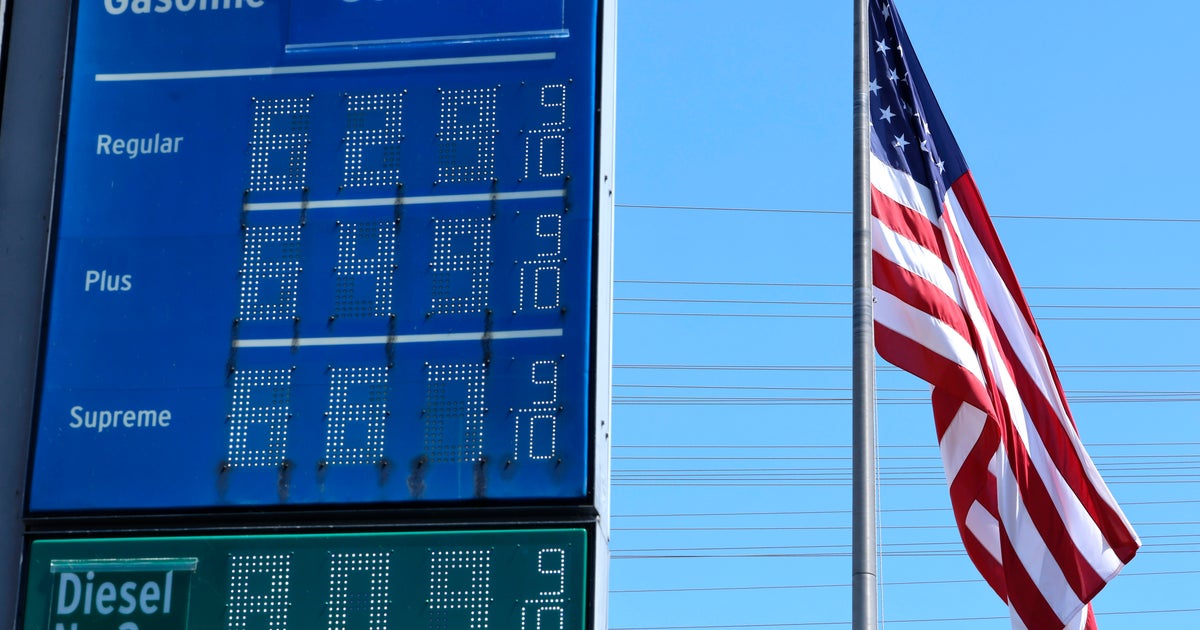
AAA said the national average gas price was $4.15 on April 10 and California averaged $5.92, and economists warned higher diesel and jet fuel costs are raising transportation and goods prices.
Analysts said the Federal Reserve, which meets April 28 to 29, will likely hold rates steady as it assesses whether energy-driven inflation will broaden beyond core measures.
Analysis
Center-leaning sources frame the inflation spike as primarily an energy-driven, likely transitory shock with political fallout, emphasizing soaring pump prices and consumer pain while foregrounding economists and administration reassurances. Editorial choices—dramatic verbs, vivid anecdotes, selective data placement and political context—push readers to view gasoline costs as the dominant, short-term culprit.