Energy-Driven Inflation Pushes Producer and Consumer Prices Higher
Producer prices rose 6% year-over-year and consumer prices 3.8% as energy costs climbed amid the 10-week Iran war, raising concerns about pass-through to shoppers and markets.
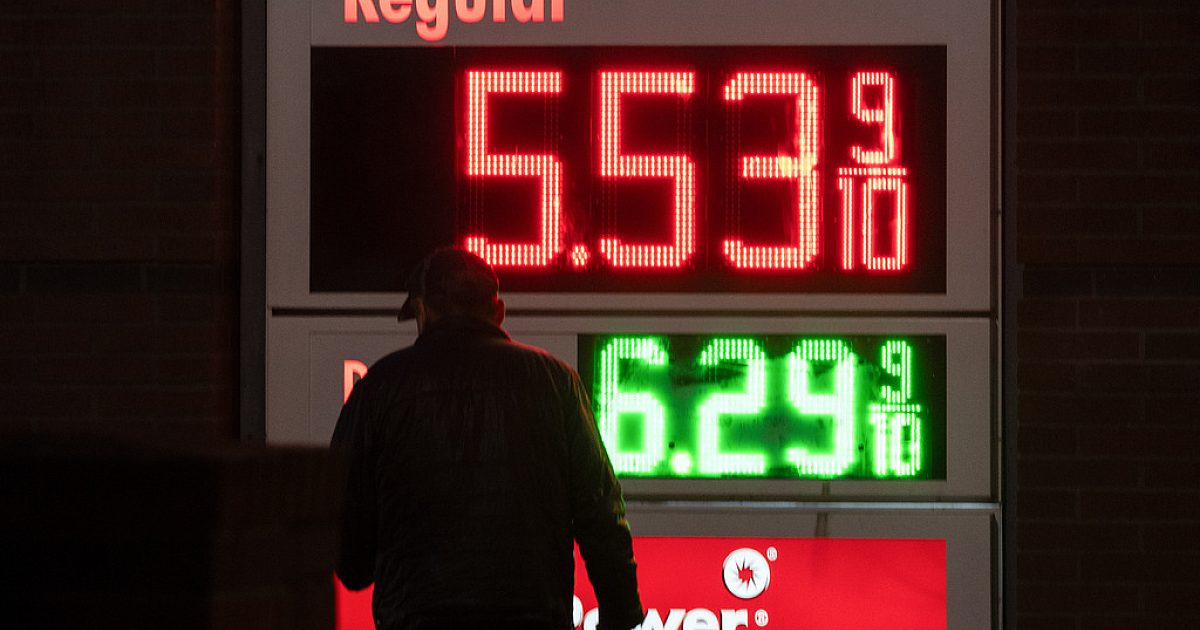
 World News Group
Energy biggest driver of higher April consumer price index, data shows
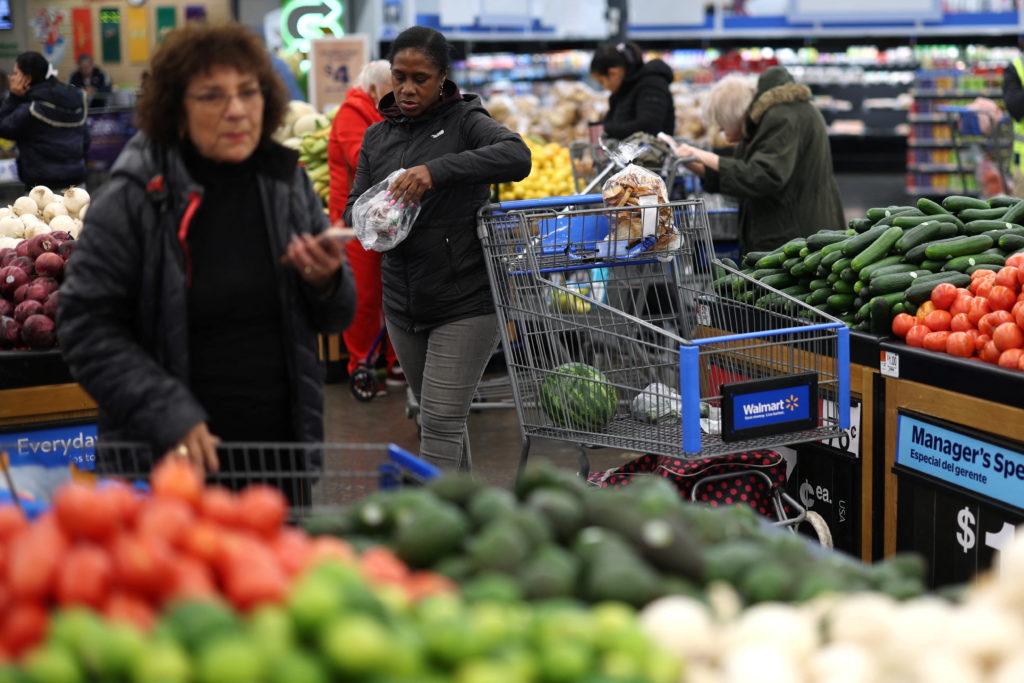
 PBS NewsHour
U.S. grocery prices rose in April, but gas spikes weren't the only reason

 Daily Caller
As Inflation Continues To Surge, Republicans Done Only Blaming Biden
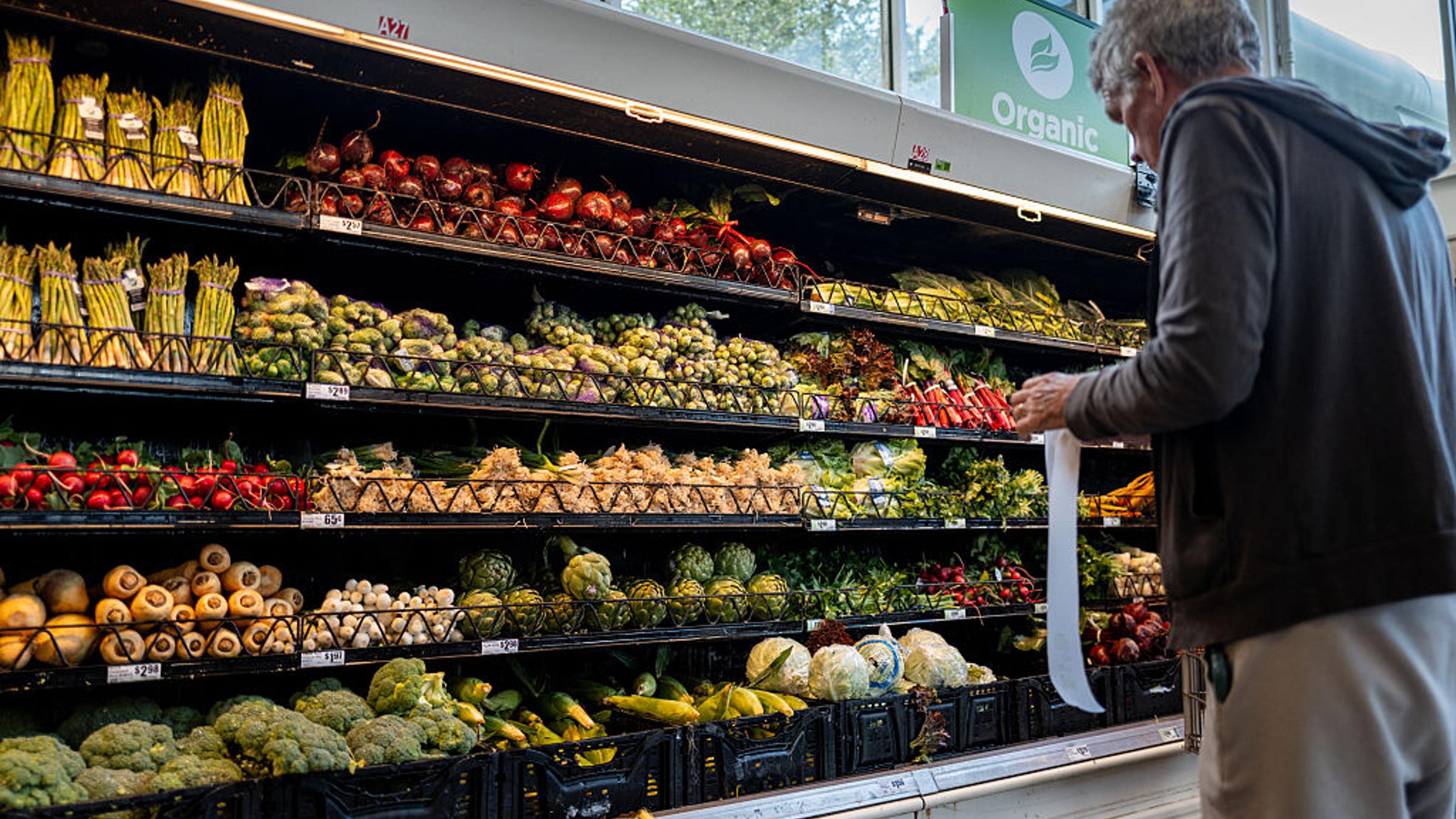
 TIME Magazine
This Is Where Inflation Is Biting the Hardest for Americans
Overview
The Labor Department said producer prices rose 1.4% in April and 6% from a year earlier, the largest such gains since 2022.
Labor Department data and reports cited sharply higher energy costs—especially gasoline and diesel linked to the 10-week war with Iran—as the main driver of the increases.
Economists warned higher wholesale costs could be passed to consumers; Mohamed El-Erian said the data suggests more consumer inflation and Peter Boockvar called the PPI reading "Tabasco hot."
The consumer price index rose 0.6% in April and 3.8% since April 2025, core CPI rose 0.4%, wages grew 3.6%, and the 10-year Treasury yield climbed as high as 4.49%.
Because the PPI can foreshadow consumer inflation, analysts said businesses may raise prices for shoppers and markets will closely watch upcoming data readings.
Analysis
Center-leaning sources frame the story as an energy-driven inflation shock that forces companies to raise prices and pressures the Fed and politicians. Editorial choices — vivid verbs ("shot up"), prominent Iran-war context, selection of economists and IEA warnings, and linking wholesale gains to Fed policy and corporate price hikes — create an urgent, inflation-focused narrative.