Alan Greenspan Dies
Former Fed chair Alan Greenspan dies at 100, prompting obituaries and retrospectives.



Main Story
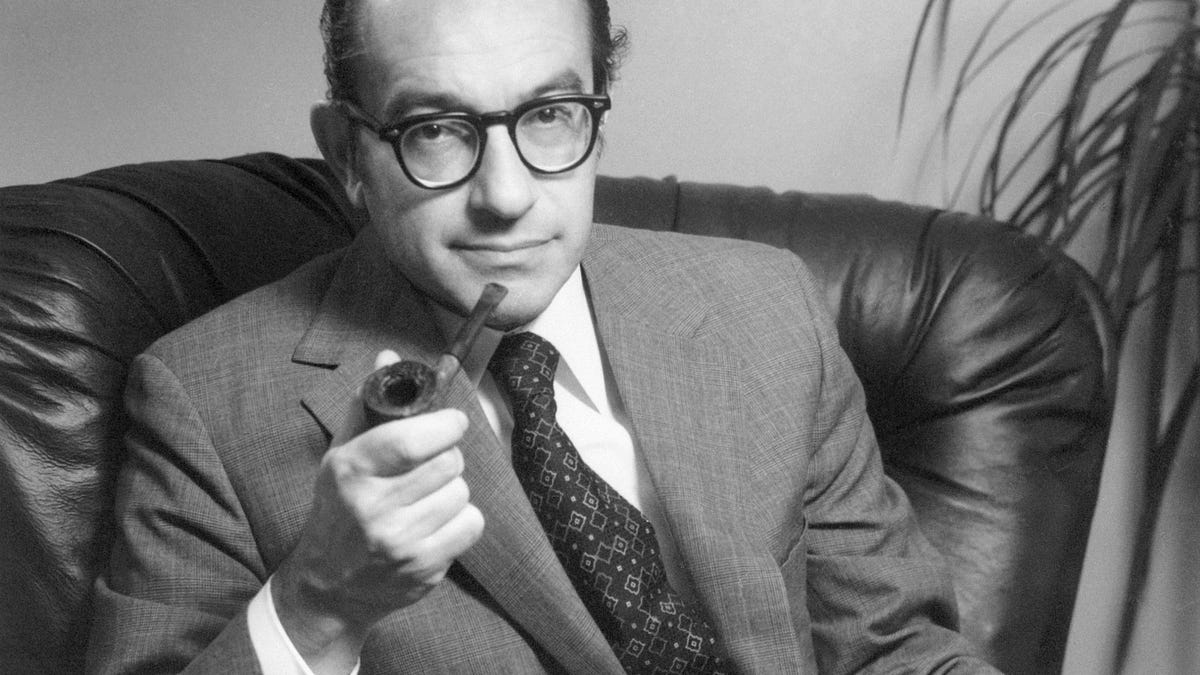
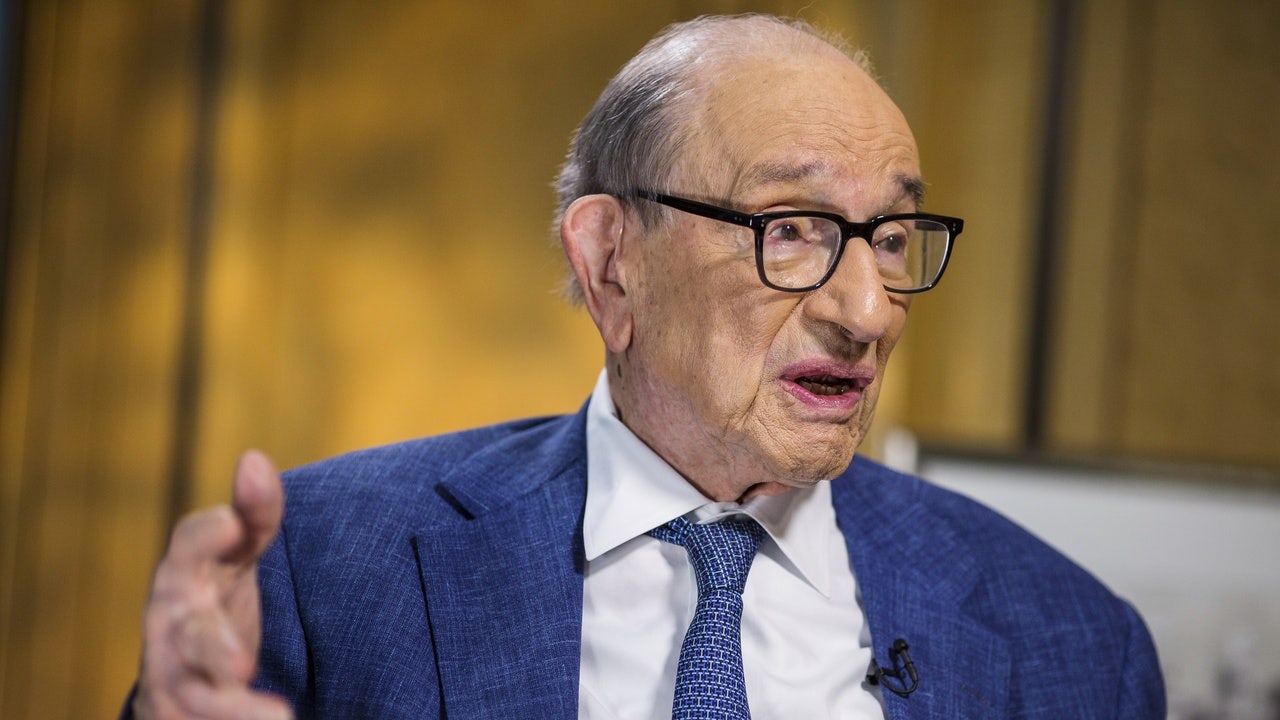
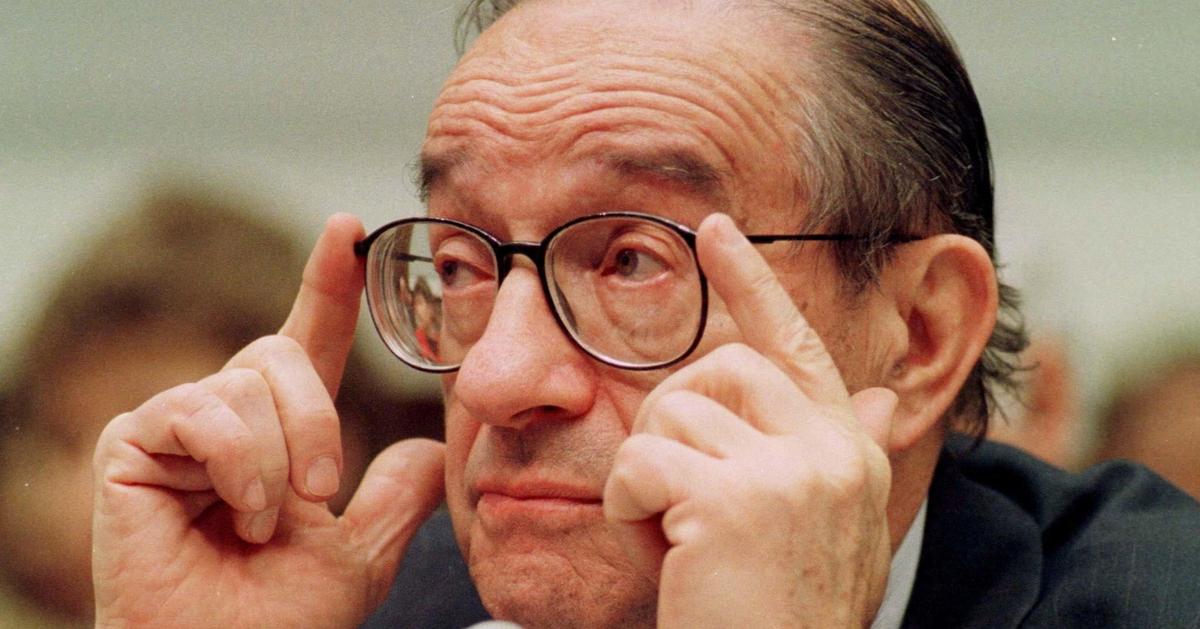
BalancedAlan Greenspan, the former Federal Reserve chairman who helped steer U.S. monetary policy for nearly two decades, died Monday at age 100 from complications of Parkinson’s disease, his wife, NBC News correspondent Andrea Mitchell, said. Greenspan led the central bank from 1987 to 2006 under four presidents, presiding over a long economic expansion and becoming one of the most influential economic policymakers of his era. The Federal Reserve credited him with helping establish the central bank’s credibility, while Mitchell remembered him as a husband who shaped her life and had “irrational exuberance” for baseball. His death prompted renewed attention to a legacy defined by central bank independence, market confidence and later debate over his role before the financial crisis.


Coverage Angles
Legacy Reappraised
BalancedCommentary and obituary pieces reassessed Greenspan’s long tenure, from his famously cryptic public style to the way he expanded the modern Federal Reserve’s power despite free-market instincts. His reputation as the “Maestro” remains contested, balancing praise for boom-era stewardship against scrutiny of the policies and assumptions that shaped modern central banking.

